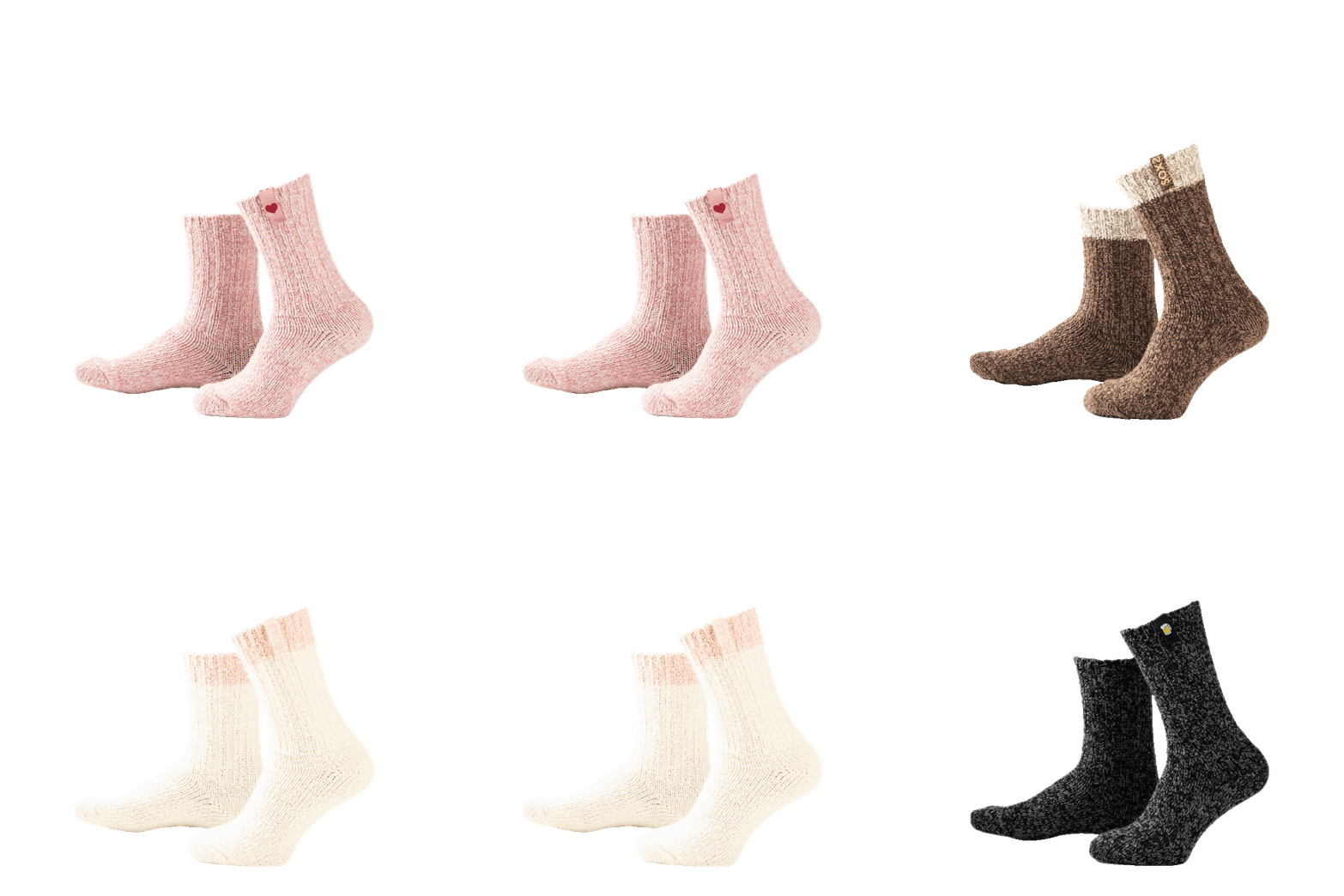
Soft warm premium wool socks
Gift ready, stylishly packaged
Orders placed before 1:00 PM will be shipped today (on weekdays) PLEASE NOTE: The delivery time of Pimp My Soxs is 5 working days!

Discover wool's natural moisture-wicking science that keeps feet dry and comfortable during any activity.
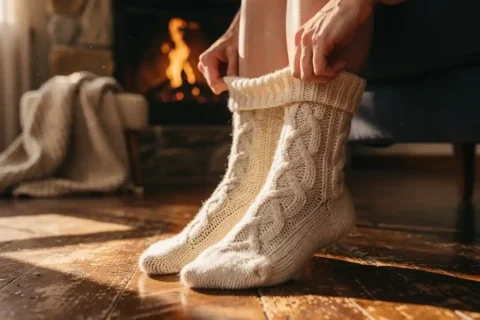
Wool socks boost circulation through natural compression and temperature control, keeping feet warm and blood flowing optimally.
Discover wool's natural antimicrobial properties, temperature regulation, and skin benefits that promote foot health and comfort.
Premium merino wool from New Zealand creates superior comfort, breathability, and durability compared to mass-produced alternatives.
Discover how wool socks protect diabetic feet through superior circulation, moisture control, and natural antibacterial properties for daily comfort.
Premium merino wool meets sustainable innovation—discover what makes SOXS socks outperform ordinary alternatives.

Wool socks offer natural warmth and circulation support that may ease rheumatism discomfort daily.

Right socks prevent athlete's foot by wicking moisture and inhibiting fungal growth conditions.
Discover why premium wool socks outlast cheap alternatives by 2-3 years while providing superior comfort and sustainability.
Discover wool's natural antimicrobial properties and moisture-wicking abilities that keep garments fresh longer than cotton or synthetic fabrics.