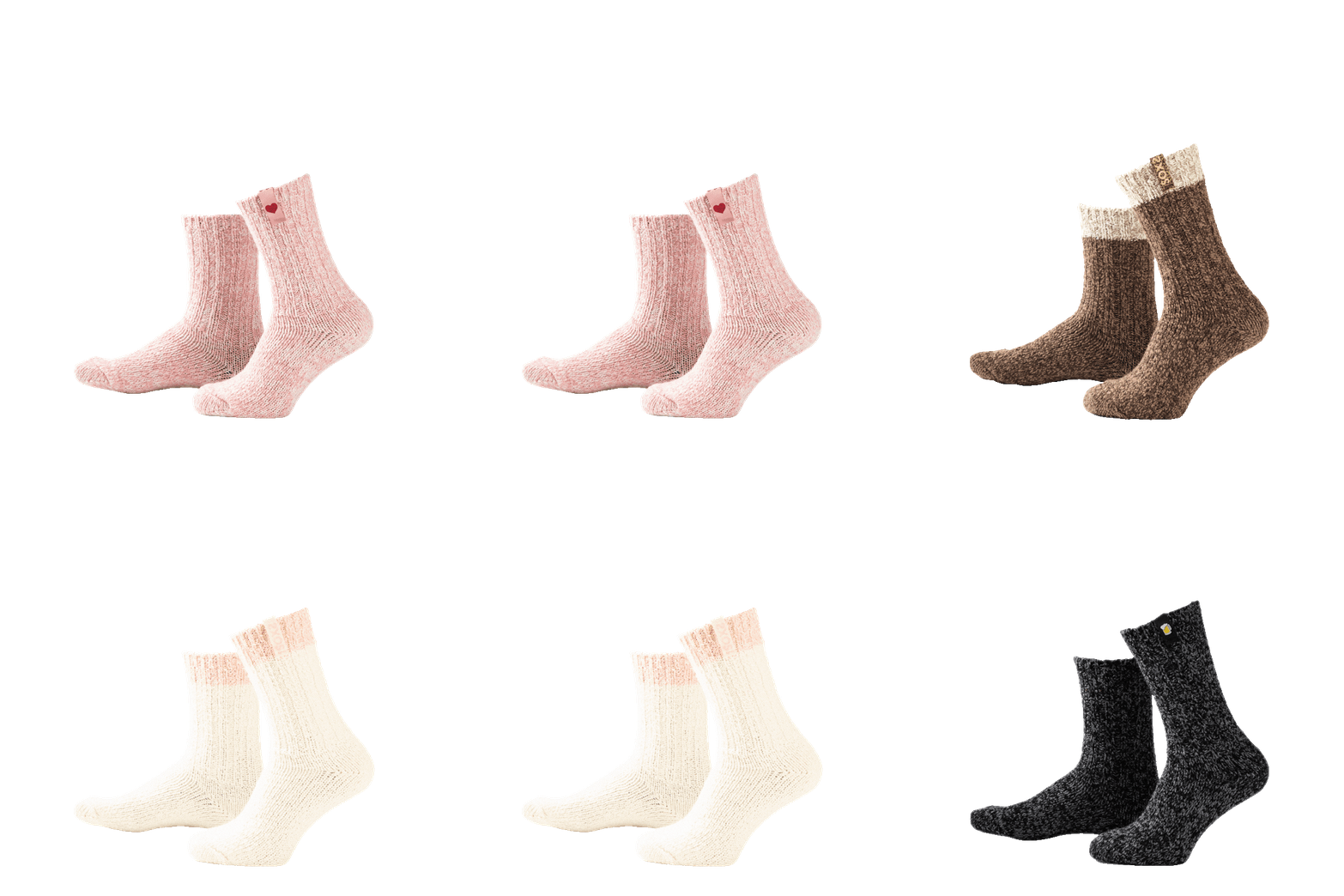

Soft warm premium wool socks
Gift ready, stylishly packaged
Orders placed before 1:00 PM will be shipped today (on weekdays) PLEASE NOTE: The delivery time of Pimp My Soxs is 5 working days!

When shopping for socks, the price difference between premium wool options and budget alternatives can be striking. While cheap socks might seem like the obvious choice, there’s much more to consider than the initial price tag. Quality wool socks offer superior comfort, durability, and environmental benefits that often make them a smarter long-term investment.
Understanding what separates premium wool socks from their cheaper counterparts helps you make an informed decision about where to spend your money. From material quality to manufacturing processes, these differences affect everything from daily comfort to environmental footprint.
Premium wool socks use high-quality merino wool blended with durable polyamide, creating a product that offers superior warmth, breathability, and longevity compared to synthetic alternatives. The key differences lie in material sourcing, construction quality, and overall design philosophy.
While cheap socks typically rely on synthetic materials or low-grade cotton blends, quality wool socks start with carefully selected natural fibers. Merino wool naturally regulates temperature, wicks moisture away from your feet, and resists odors even after extended wear. The addition of polyamide strengthens the fabric without compromising comfort, ensuring the socks maintain their shape and elasticity wash after wash.
The construction process also sets premium options apart. Quality wool socks feature reinforced heels and toes, seamless toe construction to prevent blisters, and elastic bands that stay comfortable without cutting off circulation. Cheap alternatives often skip these details, resulting in socks that lose their shape, develop holes quickly, or cause discomfort during extended wear.
Beyond physical construction, premium wool socks often come from companies committed to ethical sourcing and sustainable practices. This means the wool comes from farms that prioritize animal welfare, and the manufacturing process considers environmental impact at every step.
Wool socks cost more because natural wool fiber is expensive to source, process, and manufacture compared to synthetic materials. The price reflects the quality of raw materials, ethical sourcing practices, and specialized manufacturing techniques required to create a superior product.
Natural wool, particularly merino wool, requires significant investment from farm to finished product. Sheep must be properly cared for year-round, and the shearing, cleaning, and processing of wool involve multiple specialized steps. Synthetic materials, by contrast, can be mass-produced in factories at much lower cost.
The manufacturing process for quality wool socks also demands more time and expertise. Creating the right blend of wool and reinforcing fibers, ensuring proper tension in the knitting process, and implementing quality control measures all add to production costs. Cheap sock manufacturers often prioritize speed and volume over quality, using automated processes that sacrifice durability for lower prices.
Ethical sourcing adds another layer of cost but creates significant value. When wool comes from farms that practice humane animal treatment and sustainable land management, the premium reflects these responsible practices. Many consumers find this ethical component worth the additional investment.
Premium wool socks significantly outperform cheaper alternatives in comfort, durability, and temperature regulation. They provide consistent warmth without overheating, maintain their shape after multiple washes, and offer superior moisture management throughout the day.
Temperature regulation represents one of the most noticeable performance differences. Wool naturally adapts to your body temperature, keeping feet warm in cold conditions while preventing overheating during activity. Synthetic materials in cheap socks often trap heat and moisture, creating uncomfortable conditions that can lead to blisters or fungal issues.
Durability testing reveals stark contrasts between quality and budget options. Premium wool socks typically last 2–3 years with regular wear, while cheap alternatives often develop holes or lose elasticity within months. The reinforced construction in quality socks protects high-wear areas like heels and toes, significantly extending their lifespan.
Comfort factors also favor premium options. The elastic waistbands stay snug without cutting off circulation, the seamless toe construction prevents pressure points, and the soft wool blend feels gentle against sensitive skin. Cheap socks often feature rough seams, inadequate stretch, and materials that become scratchy after washing.
Wool’s natural ability to wick moisture while retaining warmth creates a comfortable microenvironment around your feet. This prevents the clammy feeling common with synthetic socks and reduces the risk of developing foot odor or skin irritation.
Premium wool socks have a lower environmental impact than cheap synthetic alternatives due to their biodegradable materials, longer lifespan, and often more sustainable production practices. While the initial environmental cost may be higher, the long-term benefits favor quality wool products.
Synthetic socks contribute to microplastic pollution every time they’re washed, releasing tiny plastic fibers into water systems. These microplastics persist in the environment and accumulate in marine ecosystems. Wool socks, being natural fiber products, don’t contribute to this pollution problem.
The longevity of premium wool socks dramatically reduces their environmental impact over time. When one pair of quality socks lasts as long as five pairs of cheap alternatives, the total resource consumption for manufacturing, packaging, and transportation drops significantly. This extended lifespan means fewer socks end up in landfills.
Many premium wool sock manufacturers also prioritize sustainable practices throughout their supply chain. This includes sourcing wool from farms that practice regenerative agriculture, using renewable energy in manufacturing facilities, and implementing recycling programs for packaging materials.
The biodegradability of wool also creates a significant environmental advantage. When quality wool socks finally reach the end of their useful life, they break down naturally without leaving harmful residues. Synthetic socks, by contrast, can persist in landfills for decades.
Quality wool socks typically last 2–3 years with regular wear and proper care, while cheap synthetic or cotton socks often need replacement every 3–6 months. This dramatic difference in lifespan makes premium socks more cost-effective over time despite their higher initial price.
The durability advantage comes from superior materials and construction methods. Quality wool naturally resists wear and maintains its structure even after hundreds of wash cycles. The polyamide reinforcement in premium blends adds strength without compromising comfort, protecting against the stretching and thinning that plague cheaper alternatives.
Proper care significantly extends the life of quality wool socks. Washing in cool water, avoiding harsh detergents, and air drying help preserve the natural properties of wool fibers. Many premium sock owners report getting 4–5 years from their favorite pairs with careful maintenance.
The economic math strongly favors quality over quantity. If cheap socks cost $5 and last 6 months, you’ll spend $20 per year per pair. Premium wool socks might cost $25 but last 3 years, bringing the annual cost down to about $8 per pair. The superior comfort and performance make this an easy choice for many consumers.
When you factor in the frustration of constantly replacing worn-out socks, the convenience of having reliable, comfortable footwear becomes invaluable. Quality wool socks eliminate the cycle of frequent replacement while providing consistent comfort and performance throughout their extended lifespan.
At SOXS, we believe that choosing quality over quantity benefits both you and the environment. Our commitment to sustainable New Zealand wool and ethical manufacturing practices ensures that every pair delivers the warmth, comfort, and durability you deserve. When you invest in premium wool socks, you’re not just buying a product—you’re choosing a more sustainable, comfortable future for your feet.