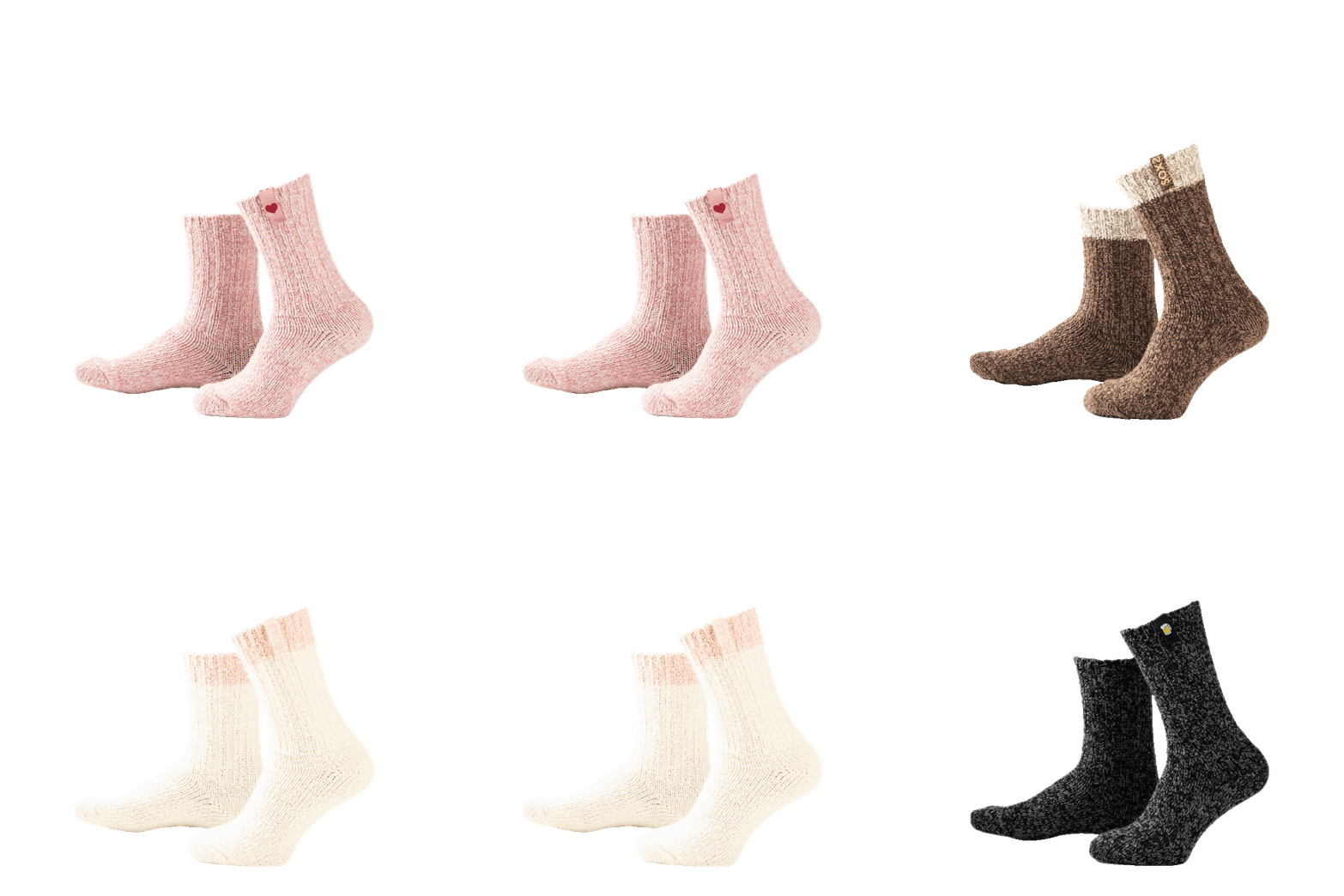
Soft warm premium wool socks
Gift ready, stylishly packaged
Orders placed before 1:00 PM will be shipped today (on weekdays) PLEASE NOTE: The delivery time of Pimp My Soxs is 5 working days!

When you slip on a pair of wool socks, you’re experiencing more than just warmth. Wool offers remarkable therapeutic benefits that have been recognized for centuries, from natural temperature regulation to antimicrobial properties that support foot health. These therapeutic benefits of wool make it a superior choice for anyone seeking comfort, wellness, and natural protection for their feet.
Understanding wool’s unique properties helps explain why this natural fiber has remained a trusted material for therapeutic applications across cultures and generations. Let’s explore the science behind wool’s healing qualities and how they can benefit your daily comfort and well-being.
Wool provides natural temperature regulation, antimicrobial protection, moisture management, and gentle compression that supports circulation. These properties work together to create an environment that promotes foot health, reduces discomfort, and provides therapeutic relief for various conditions.
The therapeutic benefits of wool extend far beyond simple warmth. Merino wool, in particular, contains natural lanolin that helps moisturize the skin, while its unique fiber structure creates a microclimate around your feet. This environment helps prevent common foot problems like blisters, fungal infections, and excessive dryness.
People with circulation issues often find wool particularly beneficial. The gentle, non-restrictive nature of quality wool socks supports blood flow without creating pressure points. Unlike synthetic materials that can constrict or create hot spots, wool maintains consistent comfort throughout the day.
The natural elasticity of wool fibers also provides mild compression benefits. This gentle pressure can help reduce swelling and support tired feet, making wool an excellent choice for people who stand for long periods or experience foot fatigue.
Wool regulates temperature through its unique, crimped fiber structure, which traps air for insulation while allowing moisture vapor to escape. This natural thermostat keeps feet warm in cold conditions and prevents overheating when temperatures rise.
The secret lies in wool’s complex fiber architecture. Each wool fiber contains thousands of tiny air pockets created by its natural crimp. These pockets trap warm air close to your skin when it’s cold, providing excellent insulation. When temperatures rise, wool’s breathable structure allows excess heat and moisture to escape, preventing that clammy feeling common with synthetic materials.
This temperature regulation happens automatically, without any conscious effort on your part. Wool can absorb up to 30% of its weight in moisture while still feeling dry to the touch. This means your feet stay comfortable whether you’re walking through snow or sitting in a heated room.
The natural temperature-regulation benefits of merino wool extend throughout the seasons. In winter, wool provides warmth without bulk. In summer, it keeps feet cool and dry. This year-round versatility makes wool an ideal choice for people seeking consistent comfort regardless of weather conditions.
Wool contains natural antimicrobial properties due to its protein structure and the presence of lanolin. These compounds inhibit bacterial growth and prevent odor formation, keeping feet fresh and healthy even during extended wear.
The antimicrobial properties of wool stem from its unique protein-based composition. Unlike synthetic fibers, wool naturally resists bacterial colonization. The lanolin present in wool acts as a natural antibacterial agent, creating an environment where harmful microorganisms struggle to survive and multiply.
This natural protection translates to significant odor resistance. Bacteria are the primary cause of foot odor, and wool’s ability to inhibit bacterial growth means your feet stay fresher longer. Many wool sock wearers find they can wear their socks for multiple days without developing unpleasant odors.
The moisture-wicking properties of wool also contribute to its antimicrobial benefits. By keeping feet dry, wool removes the humid environment that bacteria need to thrive. This dual action of moisture management and natural antimicrobial properties creates an inhospitable environment for the microorganisms that cause foot problems and odors.
Wool benefits sensitive skin through its natural softness, hypoallergenic properties, and ability to maintain optimal moisture levels. High-quality merino wool is particularly gentle, reducing irritation and providing comfort for people with skin sensitivities or conditions like eczema.
Modern merino wool processing has eliminated the scratchiness traditionally associated with wool. The finest merino wool fibers are actually softer than cotton and much gentler than synthetic alternatives. This softness comes from the ultra-fine diameter of merino fibers, which feel smooth against even the most sensitive skin.
Wool’s natural moisture management helps maintain healthy skin hydration. Unlike synthetic materials that can create dry or overly moist conditions, wool maintains an optimal moisture balance. This prevents skin cracking caused by excessive dryness and irritation caused by trapped moisture.
The hypoallergenic nature of quality wool makes it suitable for people with various skin sensitivities. Wool doesn’t harbor dust mites or other allergens the way synthetic materials can. Additionally, the natural pH of wool is slightly acidic, similar to healthy human skin, which helps maintain the skin’s natural protective barrier.
Therapeutic wool offers natural temperature regulation, antimicrobial properties, and moisture management that synthetic materials cannot replicate. While synthetics may provide some insulation, they lack wool’s natural ability to adapt to changing conditions and support foot health.
The fundamental difference lies in how these materials interact with your body’s natural processes. Wool works with your body’s temperature regulation system, while synthetic materials often work against it. Synthetic fibers typically trap heat and moisture, creating uncomfortable conditions that can lead to overheating, excessive sweating, and bacterial growth.
Durability represents another key distinction. Quality wool maintains its therapeutic properties wash after wash, while synthetic materials often lose their effectiveness over time. Wool’s natural resilience means it bounces back to its original shape and continues providing consistent comfort and support.
The environmental impact also differs significantly. Wool is renewable, biodegradable, and requires less energy to produce than most synthetic alternatives. When you choose therapeutic wool over synthetic materials, you’re making a choice that benefits both your health and the environment.
At SOXS, we understand the profound difference that quality wool makes in daily comfort and well-being. Our ethically sourced merino wool socks harness all these natural therapeutic benefits, providing you with the warmth, comfort, and health support that only genuine wool can deliver. Experience the therapeutic benefits of wool for yourself and discover why natural fibers remain the gold standard for foot comfort and care.