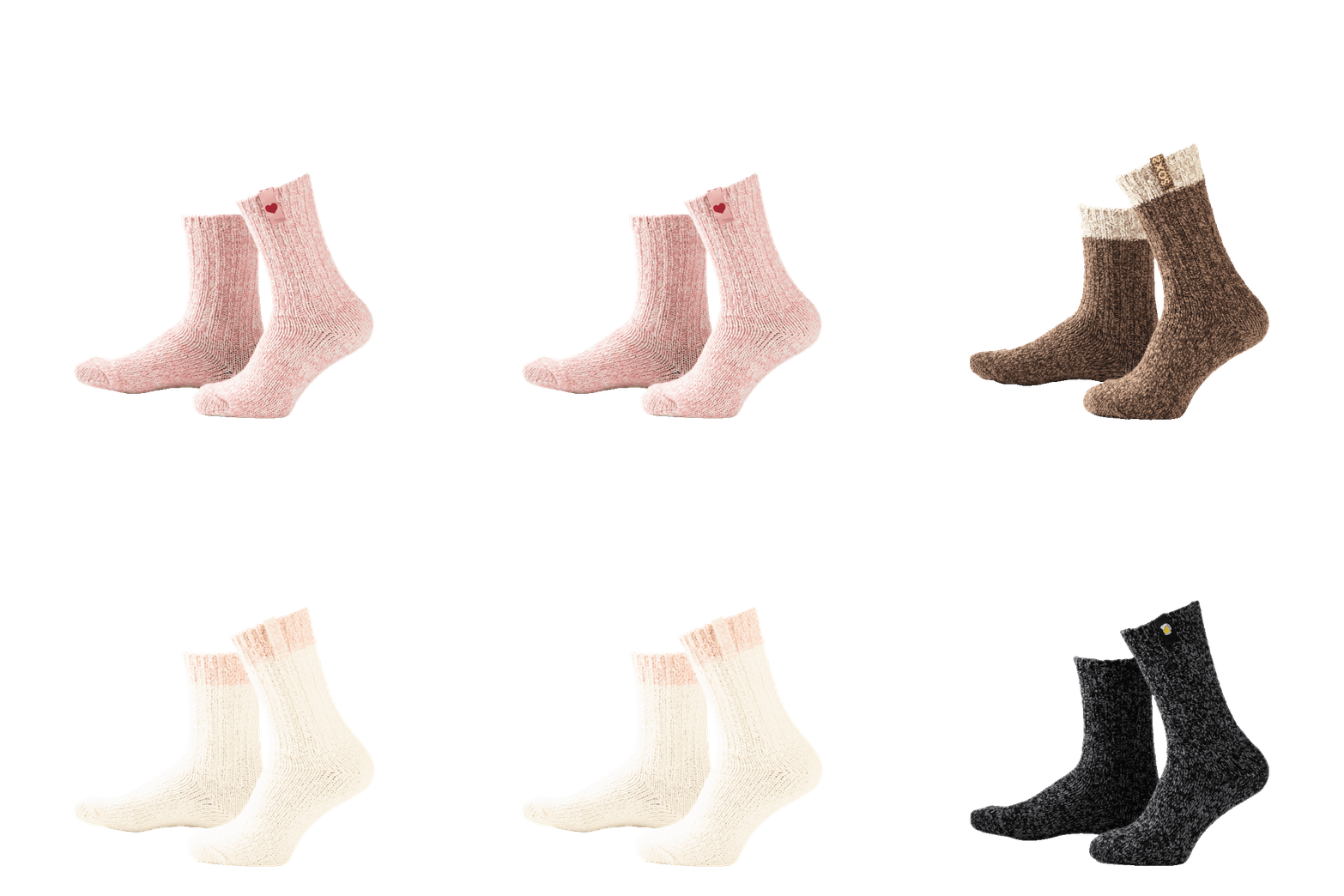
Soft warm premium wool socks
Gift ready, stylishly packaged
Orders placed before 1:00 PM will be shipped today (on weekdays) PLEASE NOTE: The delivery time of Pimp My Soxs is 5 working days!

When you think about the perfect fabric for year-round comfort, wool stands out as nature’s most versatile material. Unlike synthetic fabrics that perform well only in specific conditions, wool adapts to your body’s needs regardless of the season. This remarkable natural fiber has been keeping people comfortable for thousands of years, and modern merino wool takes these benefits to an entirely new level.
Understanding why wool works so well across different seasons comes down to its unique fiber structure and natural properties. From breathable summer wear to cozy winter warmth, wool offers unmatched temperature regulation that synthetic materials simply can’t replicate.
Wool’s natural crimp and hollow fiber structure create tiny air pockets that trap warm air in cold weather while allowing excess heat and moisture to escape when temperatures rise. This built-in climate-control system makes wool uniquely adaptable to changing conditions throughout the year.
The secret lies in wool’s protein-based fibers, which are fundamentally different from cotton or synthetic materials. Each wool fiber contains microscopic scales that open and close in response to changes in humidity and temperature. When it’s cold, these scales trap insulating air close to your skin. When it’s warm, they open to release heat and allow airflow.
Wool also naturally wicks moisture away from your skin while maintaining its insulating properties even when damp. This means your feet stay comfortable whether you’re dealing with winter snow or summer humidity. The fiber can absorb up to 30% of its weight in moisture without feeling wet, making it perfect for activewear in any season.
Wool regulates temperature through its unique ability to trap air when you need warmth and release heat when you need cooling. In winter, the crimped fibers create insulating air pockets, while in summer, the same structure promotes airflow and moisture evaporation.
During cold weather, wool’s natural crimp creates countless tiny air chambers that act as insulation. These air pockets trap your body heat close to your skin, creating a warm microclimate around your feet. The thicker the wool, the more air it can trap, which is why heavier wool socks provide superior warmth in extremely cold conditions.
In warmer weather, wool’s breathability becomes the star feature. The fiber structure allows air to circulate freely, preventing the stuffy, overheated feeling you get with synthetic materials. Wool also pulls moisture away from your skin through a process called wicking, then releases it to the outside air, where it evaporates. This natural cooling system keeps you comfortable even during active summer days.
The beauty of wool is that this temperature regulation happens automatically. You don’t need different socks for different seasons because wool adjusts to your body’s needs and the surrounding environment.
Merino wool offers superior softness, finer fibers, and better moisture management than regular wool, making it more comfortable for year-round wear. While traditional wool can feel scratchy and bulky, merino wool provides the same thermal benefits in a softer, more refined package.
Regular wool comes from various sheep breeds and tends to have thicker, coarser fibers. These fibers can feel rough against sensitive skin and may cause itching, especially when worn for extended periods. Traditional wool also tends to be bulkier, which can make it less suitable for everyday wear or for fitted shoes.
Merino wool, sourced from Merino sheep, features much finer fibers that feel soft and smooth against your skin. These ultra-fine fibers are typically less than 24 microns in diameter, compared with regular wool, which can be 30 microns or more. This difference in fiber diameter translates to noticeably greater comfort.
For seasonal wear, merino wool excels because it provides all the temperature-regulating benefits of regular wool while being thin enough for year-round comfort. You can wear merino wool socks with dress shoes in summer or hiking boots in winter, and they’ll perform beautifully in both situations.
Wool naturally resists odor because its protein-based fibers contain lanolin and have antimicrobial properties that inhibit bacterial growth. Unlike synthetic materials that trap odor-causing bacteria, wool helps reduce the compounds that create unpleasant smells.
The science behind wool’s odor resistance comes from its complex protein structure. Wool fibers contain natural oils and waxy substances that create an environment where odor-causing bacteria struggle to thrive. These same properties that make wool water-resistant also make it naturally antimicrobial.
When you sweat, synthetic fabrics and cotton tend to hold onto moisture and bacteria, creating the perfect breeding ground for odors. Wool, however, moves moisture away from your skin and releases it to the air, leaving bacteria with fewer places to multiply. This is why you can wear wool socks for multiple days without developing foot odor.
This odor-resistant quality makes wool perfect for travel, outdoor activities, or any situation where you can’t change socks frequently. Whether you’re hiking in summer heat or wearing boots all day in winter, wool keeps your feet fresh and comfortable.
Proper wool care involves gentle washing in cool water, air drying, and avoiding harsh chemicals that can damage the natural fiber structure. Following these simple steps preserves wool’s temperature-regulating properties and extends the life of your wool garments.
Start by turning your wool socks inside out before washing to protect the outer surface. Use cool or lukewarm water—never hot—as high temperatures can cause wool fibers to shrink and lose their natural elasticity. Choose a gentle, wool-specific detergent or a mild soap that won’t strip away the natural oils that give wool its beneficial properties.
Avoid fabric softeners and bleach, which can coat the fibers and interfere with wool’s natural moisture-wicking abilities. These chemicals can also break down the protein structure that makes wool so effective at temperature regulation.
For drying, lay your wool items flat on a clean towel, away from direct heat or sunlight. Machine drying can cause shrinkage and damage the delicate fiber structure. Proper air drying helps maintain the crimp and elasticity that make wool so comfortable across seasons.
With proper care, quality wool socks can last for years while maintaining their seasonal benefits. We’ve found that well-cared-for merino wool maintains its softness, warmth, and breathability through countless wear cycles, making it a worthwhile investment for year-round comfort.