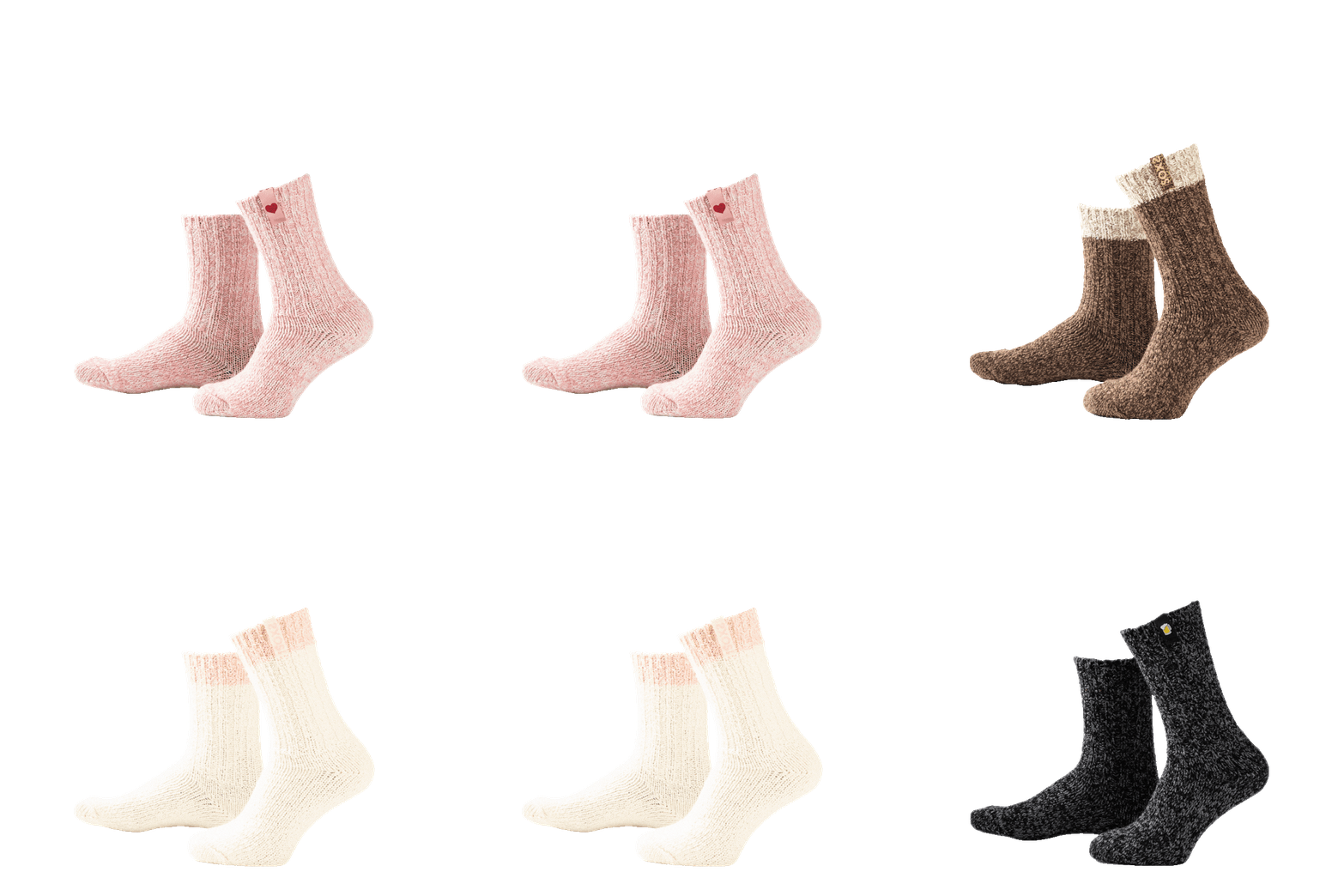

Soft warm premium wool socks
Gift ready, stylishly packaged
Orders placed before 1:00 PM will be shipped today (on weekdays) PLEASE NOTE: The delivery time of Pimp My Soxs is 5 working days!

Have you ever wondered why some wool socks stay fresh all day while others develop an unpleasant smell after just a few hours of wear? The secret lies in wool’s remarkable natural properties and in how different types of wool are processed and cared for. Understanding what makes wool naturally antimicrobial can help you choose socks that keep your feet comfortable and odor-free, no matter how active your day becomes.
When it comes to the benefits of wool socks, the material’s inherent ability to resist odors sets it apart from synthetic alternatives. This natural odor resistance, combined with proper care and high-quality sourcing, creates the foundation for truly exceptional wool socks that maintain freshness throughout extended wear.
Wool fibers have natural antimicrobial properties due to their unique protein structure and lanolin content. The keratin proteins in wool create an environment that inhibits bacterial growth, while the fiber’s ability to absorb moisture without feeling wet prevents the damp conditions in which odor-causing bacteria typically thrive.
The science behind wool’s odor resistance goes deeper than surface-level properties. Wool can absorb up to 30% of its weight in moisture while still feeling dry to the touch. This moisture management prevents the buildup of sweat and bacteria that create unpleasant smells in synthetic materials. The natural crimp in wool fibers creates tiny air pockets that not only provide insulation but also allow air to circulate, keeping feet dry and comfortable.
Merino wool, in particular, has finer fibers that enhance these natural antimicrobial properties. The smaller diameter of merino fibers means more surface area for moisture absorption and better breathability. This is why high-quality merino wool socks can be worn for multiple days without developing the offensive odors common in cotton or synthetic socks.
New Zealand wool comes from sheep raised in clean, temperate climates using sustainable farming practices that produce exceptionally pure, high-quality fibers. The country’s strict animal welfare standards and pristine environment result in wool with superior natural properties, including enhanced odor resistance and softness compared with wool from industrial farming operations.
The difference begins with the environment where New Zealand sheep graze. The country’s clean air, abundant rainfall, and chemical-free pastures contribute to healthier sheep that produce superior wool. New Zealand farmers have also developed breeding programs that focus on fiber quality rather than just quantity, resulting in wool with consistent crimp, length, and natural antimicrobial properties.
Additionally, New Zealand’s commitment to ethical farming practices means sheep are treated humanely and in ways that minimize stress. Stress-free sheep produce better-quality wool with stronger natural properties. Processing methods used in New Zealand also tend to preserve more of the wool’s natural lanolin and protein structure, maintaining the antimicrobial qualities that make wool socks smell less than those made from other materials.
Some wool socks develop odors due to low-quality wool blends, harsh chemical processing that strips away natural antimicrobial properties, or inadequate care practices. Low-grade wool mixed with high percentages of synthetic materials loses much of wool’s natural odor resistance, while overwashing or using harsh detergents can damage the fiber structure.
The quality of wool processing plays a crucial role in maintaining natural antimicrobial properties. Heavily processed wool that has been treated with harsh chemicals or extensively bleached may lose the natural oils and protein structures that provide odor resistance. Some manufacturers also blend wool with synthetic materials to reduce costs, but this significantly diminishes the natural benefits that make pure wool superior.
Another factor is the construction and fit of the sock itself. Poorly designed socks that don’t allow proper air circulation, or that bunch up in shoes, create hot spots where moisture accumulates. Even the best wool can develop odors if it is constantly exposed to excessive moisture without the chance to breathe and dry naturally.
Proper wool sock care involves gentle washing with wool-specific detergents, air drying away from direct heat, and allowing socks to rest between wears. Wash wool socks in cool water on a gentle cycle, never use fabric softener or bleach, and always air-dry them to preserve the natural fibers and their antimicrobial properties.
The key to maintaining wool’s natural odor resistance lies in preserving the fiber structure and natural oils. Use detergents specifically designed for wool or other natural fibers, as these are formulated to clean without stripping away beneficial properties. Avoid hot water, which can cause wool fibers to shrink and lose the natural crimp that supports breathability.
Between wears, allow your wool socks to air out completely before storing them. Wool’s natural ability to release moisture means that a day of rest between wears often allows the fibers to refresh naturally. Many wool sock enthusiasts find they can wear high-quality wool socks multiple times before washing, especially if they rotate between pairs and allow adequate airing time.
For best results, turn wool socks inside out before washing to protect the exterior fibers, and consider hand-washing particularly delicate or expensive pairs. Store clean wool socks in a breathable environment rather than in sealed plastic bags, which can trap moisture and lead to mildew or other odor issues.
Understanding these natural properties and care requirements helps you get the most out of your investment in wool socks. At SOXS, we combine sustainably sourced New Zealand merino wool with thoughtful construction to create socks that naturally resist odors while providing exceptional comfort and durability. When you choose quality wool socks and care for them properly, you’re investing in fresh, comfortable feet that stay odor-free throughout your busiest days.