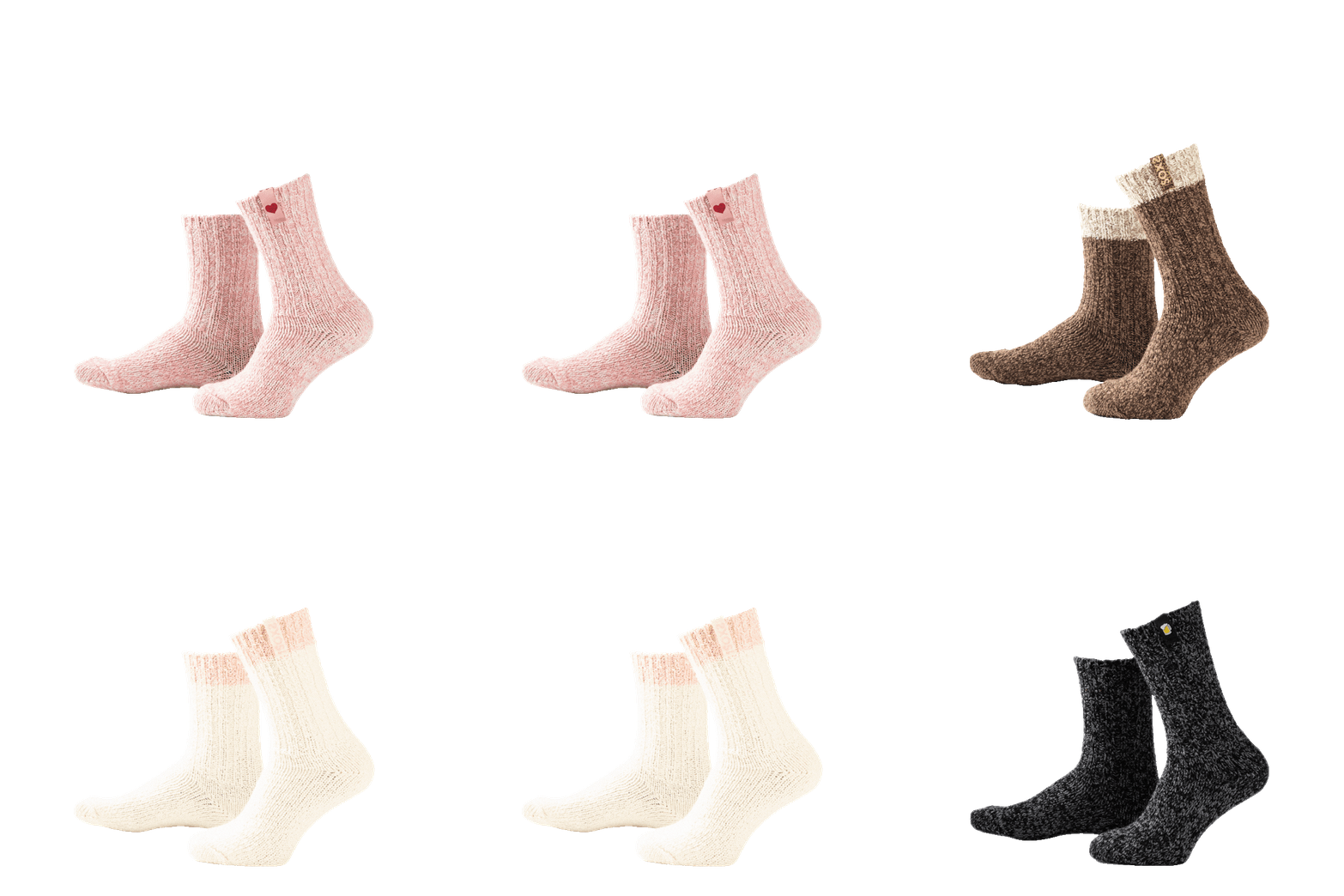
Soft warm premium wool socks
Gift ready, stylishly packaged
Orders placed before 1:00 PM will be shipped today (on weekdays) PLEASE NOTE: The delivery time of Pimp My Soxs is 5 working days!

Socks twist on your feet because they lose grip as you move. The elastic and structure of a sock can shift with each step, especially if the fit is slightly off or the fabric lacks enough friction to stay in place. Material, fit, and even how you wash your socks all play a role in how much they rotate during the day.
The good news is that sock twisting is a common frustration with a handful of clear causes, and once you understand them, the fix is surprisingly straightforward. Below, we walk through each factor so you can find the one that applies to you.
Socks rotate on your feet when there is not enough friction or structure to keep them anchored in place during movement. Every time you take a step, your foot slides slightly inside your shoe or against the floor. If the sock cannot grip your skin or the inside of your shoe firmly enough, it begins to drift and eventually twists around your foot.
The rotation usually starts at the heel. The heel is the most active part of your foot during walking, and it is also the area where socks tend to have the least surface contact. Once the heel cup shifts even slightly out of position, the rest of the sock follows, and within a few steps, the seam has migrated to the side or the sole has moved toward your ankle.
Several factors contribute to this. Loose elastic, slippery synthetic fabrics, an incorrect size, and worn-out sock structure can all reduce the grip that keeps a sock in place. Often, it is a combination of two or three of these at once rather than a single cause.
Yes, sock material has a direct impact on how much socks twist while you wear them. Fabrics with natural texture and grip, such as wool, tend to stay in place better than smooth synthetic materials. Slippery fibres like nylon or polyester create less friction against your skin, which makes it easier for the sock to rotate freely with each movement.
Wool is particularly good at staying put because its natural fibre structure creates a gentle grip against the skin. Unlike smooth synthetics, wool fibres have a slightly textured surface that anchors the sock without feeling rough or uncomfortable. This is one of the practical reasons many people who struggle with socks rotating on their feet find that switching to a quality wool sock makes a noticeable difference.
At SOXS, we make our socks from ethically obtained wool sourced from New Zealand sheep. Beyond the comfort and breathability that wool is known for, that natural fibre texture genuinely helps the sock stay where it should throughout the day, whether you are walking around the house, heading out for a hike, or sitting at your desk.
Fabric weight also matters. Thicker, denser socks have more structure and tend to hold their shape and position better than very thin socks, which can bunch and shift more easily inside a shoe.
Sock fit is one of the biggest contributors to socks twisting. A sock that is too large has excess fabric that bunches and shifts with every step. A sock that is too small pulls tightly in some areas and loses structure in others, which can cause uneven pressure and rotation. The right fit keeps the sock snug against your foot without stretching it out of shape.
The heel pocket is the most important part of the fit. If the heel cup of the sock does not sit precisely over your heel, the sock is already misaligned before you take a single step. From there, normal walking motion pulls it further out of position. This is why sizing matters more than many people realise. Wearing a sock labelled size 39 to 42 when your foot is a 38 or a 43 will almost always lead to twisting, even if the sock feels comfortable at first.
Shoe fit plays into this too. A shoe that is slightly too wide or too large gives the sock extra room to move around inside it, which accelerates the rotation. Fitting your socks and shoes correctly together is the most effective structural fix for socks that keep turning.
If you are unsure which size to choose, our SOXS Originals collection is sized to give you a precise fit that keeps the heel cup exactly where it should be, which makes a real difference to how stable the sock feels during the day.
Yes, washing and drying habits can accelerate the breakdown of the elements that keep socks in place. High heat, aggressive spin cycles, and tumble drying all degrade elastic fibres over time. Once the elastic loses its tension, the sock no longer grips your ankle and heel firmly, and twisting becomes much more frequent.
Wool socks in particular benefit from gentle care. Washing wool at high temperatures causes the fibres to felt and shrink, which changes the structure of the sock and reduces its ability to hold its shape on your foot. A cool or lukewarm wash on a gentle cycle preserves both the wool fibres and the elastic, keeping the sock performing the way it was designed to.
Tumble drying is one of the fastest ways to shorten the life of any sock. The heat and tumbling action stress the fibres and elastic simultaneously. Air drying flat or hanging your socks is a much gentler option that maintains their structure wash after wash.
For a full guide on how to keep your socks in the best possible condition, our sock care guide walks you through everything you need to know, from washing temperatures to drying methods, so your socks stay comfortable and well fitting for as long as possible.
The most effective ways to stop socks from twisting are choosing the right size, picking a material with natural grip, and maintaining the sock’s elastic through proper washing. Addressing fit first gives you the biggest improvement, followed by material choice and care habits. Together, these three changes eliminate most of the conditions that cause socks to rotate.
Here is a practical checklist to work through:
If you have been dealing with socks that keep turning for a while, it is worth starting fresh with a pair that is well made and correctly sized. Our newest SOXS collection includes options for every purpose, from relaxed days at home to outdoor adventures, all crafted from ethically obtained New Zealand wool that stays comfortable and in place throughout the day.
Small changes to your sock choices and care routine can make a surprisingly large difference. Once your socks stop twisting, you will wonder why you put up with the annoyance for as long as you did.