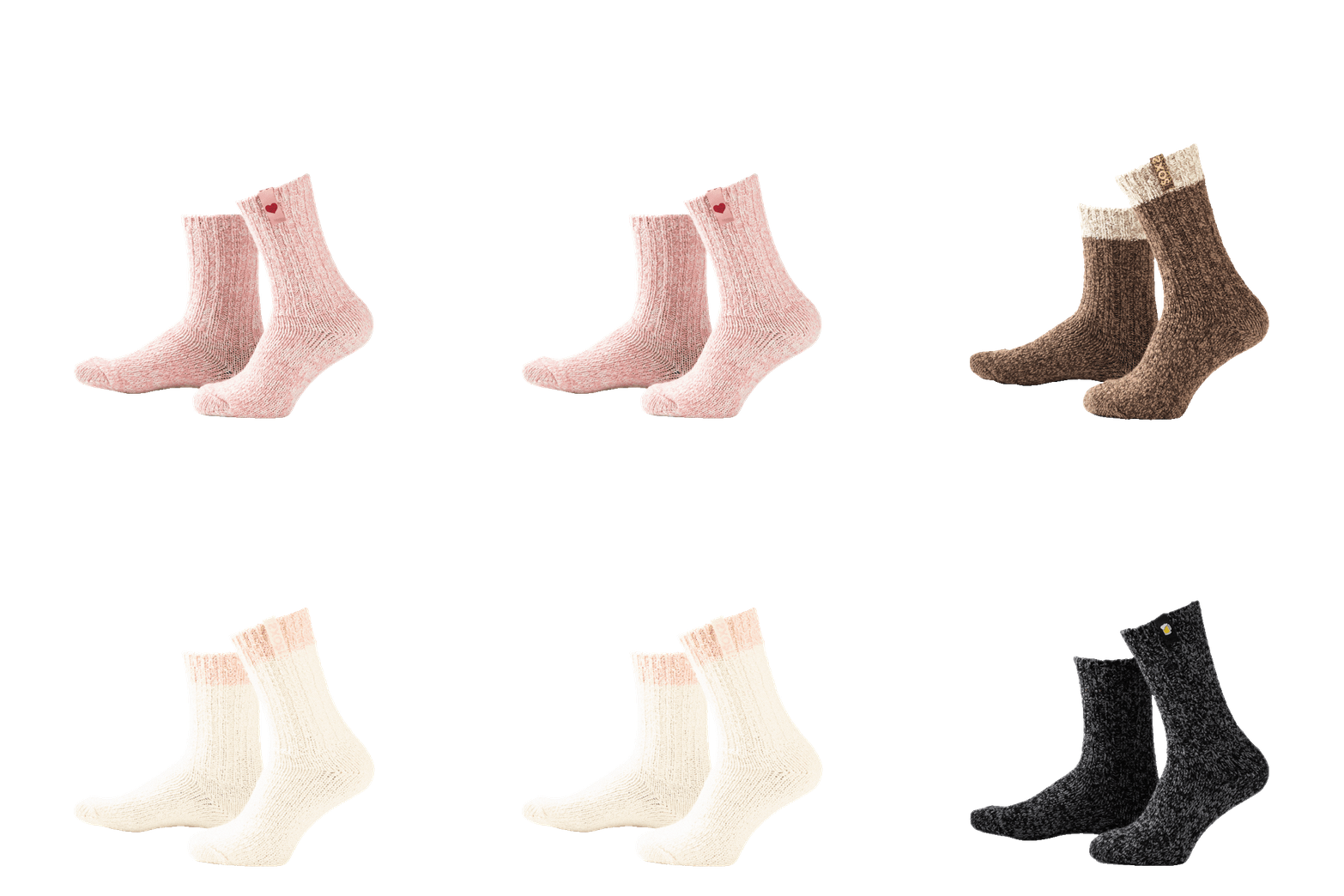

Soft warm premium wool socks
Gift ready, stylishly packaged
Orders placed before 1:00 PM will be shipped today (on weekdays) PLEASE NOTE: The delivery time of Pimp My Soxs is 5 working days!


The mystery of disappearing socks during laundry has a surprisingly mechanical explanation. Socks disappear in washing machines because they get trapped in hidden spaces like door seals, drum perforations, and gaps around the agitator. Their small size and lightweight nature make them prone to slipping into these areas during the wash cycle. Understanding where socks go and why they vanish more than other clothes helps you prevent future sock losses and retrieve missing pairs.
Missing socks typically get trapped in specific mechanical areas of your washing machine rather than mysteriously vanishing. The most common hiding spots include rubber door seals in front-loading machines, small gaps around the drum’s outer edge, and spaces behind and underneath the agitator in top-loading models.
The drum perforations that allow water to drain can also capture socks, especially thin and stretchy ones that get pulled against the holes during the spin cycle. These small openings create suction that can draw lightweight fabric through, trapping socks between the inner and outer drum walls.
Door seals in front-loading machines are particularly notorious sock collectors. The rubber gasket creates a fold where small items naturally settle during washing. Water movement pushes socks into this crevice, where they remain hidden until you specifically check for them.
Additionally, socks can slip underneath and behind the washing machine drum through small gaps in the machine’s housing. Once in these spaces, they’re completely out of sight and require partial disassembly to retrieve.
Socks go missing more frequently than other garments because of their unique combination of small size, lightweight construction, and tendency to separate from their pairs during washing. Unlike larger clothing items that stay together as cohesive units, individual socks move independently through the wash water.
The physics of washing machine movement affects socks differently than other clothes. During the agitation and spin cycles, water currents easily carry lightweight socks toward drainage holes, machine gaps, and seal areas. Heavier items like jeans and towels don’t get pulled into these spaces as readily.
Sock pairs naturally separate during washing because they’re not attached to each other. This separation doubles the chances of losing individual socks compared to items that remain as single units throughout the wash cycle.
The stretchy material of many socks also contributes to their disappearance. Elastic fibers can compress enough to fit through surprisingly small openings, allowing socks to squeeze into gaps that would stop other clothing items.
Top-loading and front-loading washing machines create different sock disappearance patterns due to their distinct mechanical designs. Front-loading machines primarily lose socks in door seals and drainage areas, while top-loading machines tend to trap socks around agitators and in gaps beneath the drum.
Front-loading machines use a horizontal drum that tumbles clothes through water. The rubber door seal creates the main problem area, forming natural pockets where socks collect during the wash cycle. The horizontal orientation also allows socks to work their way toward drainage points more easily.
Top-loading machines with traditional agitators pose different challenges. Socks can wrap around the agitator base and slip underneath it into the machine’s interior. The vertical orientation means socks are more likely to fall to the bottom of the tub and potentially escape through gaps.
Impeller-style top-loaders generally lose fewer socks than agitator models because they have fewer mechanical parts that create hiding spaces. However, they can still trap socks in the impeller’s base area and around the tub’s bottom edge.
The most effective way to prevent sock loss is to use mesh laundry bags specifically designed for small items. Place sock pairs together in these bags before washing, which keeps them contained and prevents separation during the wash cycle.
Sock clips and safety pins can also keep pairs together throughout washing and drying. Pin socks together at the toes and heels before putting them in the machine. This simple step eliminates the separation that leads to individual sock loss.
Washing technique adjustments help reduce sock disappearance. Use shorter, gentler wash cycles when possible, as aggressive agitation increases the likelihood of socks getting trapped in machine crevices. Lower water levels also create less turbulent movement that carries socks toward problem areas.
Load management makes a significant difference. Avoid overloading your machine, which creates excessive movement and increases the chances of sock entrapment. Similarly, very small loads allow too much movement space, so aim for appropriately sized loads that keep clothes moving together rather than individually.
Regular maintenance checks help catch missing socks before they become permanently lost. Inspect door seals, agitator areas, and visible gaps after each wash to retrieve any trapped items promptly.
When you discover missing socks in your washing machine, start by checking the most accessible areas before attempting any complex retrieval. Pull back rubber door seals gently to look for trapped socks, and examine the space around agitators in top-loading machines.
For front-loading machines, carefully pull the rubber gasket away from the drum to check the entire circumference. Socks often lodge in the bottom section of the seal, where gravity naturally settles them. Use a torch and mobile phone light to see clearly into these shadowed areas.
In top-loading machines, check around and underneath the agitator if your model allows access. Some agitators lift out and have removable caps that reveal the space underneath where socks commonly hide.
Safety precautions are important during sock retrieval. Always unplug the machine before reaching into any mechanical areas. Never force your hand into tight spaces and attempt to disassemble parts you’re unfamiliar with.
If socks are trapped in areas requiring machine disassembly, and if you hear rattling sounds indicating items between drum walls, contact a qualified repair technician. Attempting complex retrieval yourself can damage the machine and void warranties.
Document recurring problem areas in your specific machine model. If certain spots consistently trap socks, you can focus your prevention efforts and regular checks on those locations.
Understanding why socks disappear in washing machines helps you take practical steps to keep your pairs together. Whether you choose mesh bags, sock clips, and simply more careful loading techniques, preventing sock loss is much easier than searching for missing ones. With proper prevention strategies and regular maintenance checks, you can significantly reduce the frustration of mismatched socks and keep your favorite pairs intact for longer. At SOXS, we know how important it is to keep your quality wool socks together, which is why these practical tips help protect your investment in comfortable, sustainable footwear.
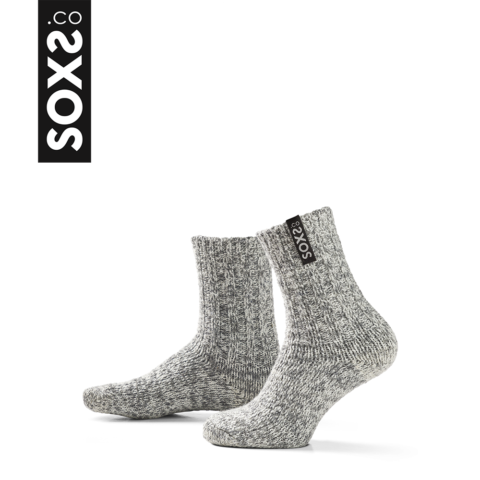
Calf height
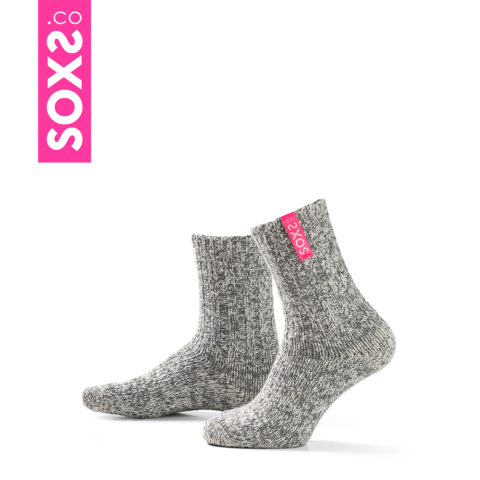
Calf height
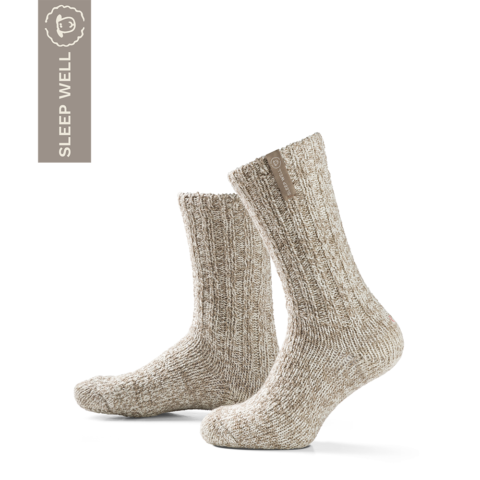
Calf height