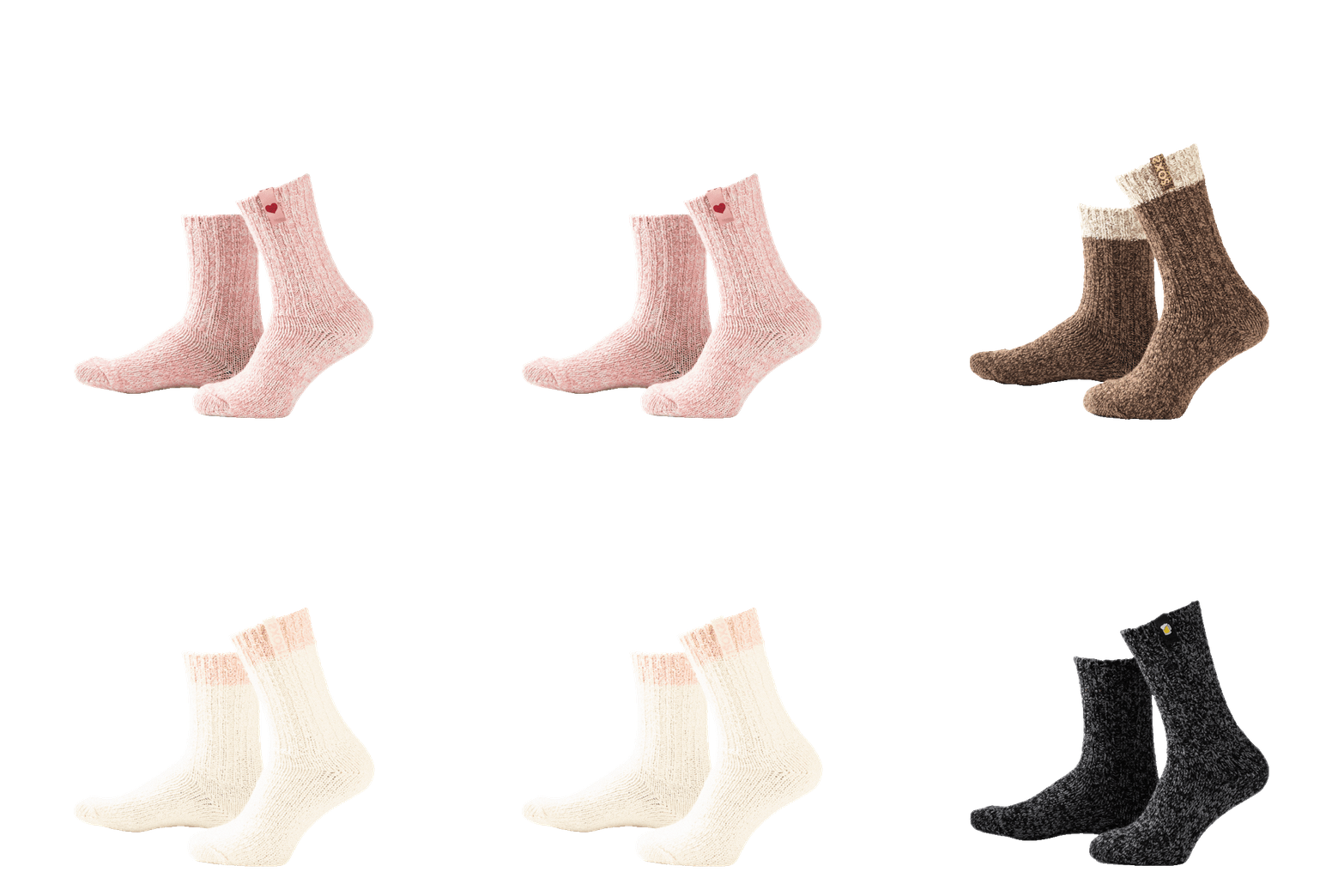
Soft warm premium wool socks
Gift ready, stylishly packaged
Orders placed before 1:00 PM will be shipped today (on weekdays) PLEASE NOTE: The delivery time of Pimp My Soxs is 5 working days!

When winter arrives and temperatures drop, the choice of sock material becomes crucial to keeping your feet comfortable and warm. While cotton socks might seem like a natural choice because of their softness, wool socks consistently outperform them when it comes to combating cold feet and maintaining an optimal foot temperature throughout the day.
Understanding the fundamental differences between these materials can help you make informed decisions about your sock drawer, especially during the colder months, when foot warmth directly affects your overall comfort and well-being.
Wool socks excel at keeping feet warm because wool fibers naturally trap air in tiny pockets, creating insulation that retains body heat even when the socks become damp. Unlike cotton, wool maintains its insulating properties when wet and actively wicks moisture away from your skin, preventing the cooling effect that occurs when moisture evaporates.
The structure of wool fibers gives them several advantages over cotton for warmth. Wool fibers are naturally crimped and springy, which creates more air spaces between the fibers. These air pockets act as insulation, trapping warm air close to your feet. Additionally, wool has a natural ability to absorb moisture vapor from your feet while keeping the surface that touches your skin relatively dry.
Cotton fibers, in contrast, are smooth and straight, lying flat against one another and creating fewer insulating air pockets. When cotton becomes wet from perspiration, it loses most of its insulating ability and can actually conduct heat away from your feet, making them feel colder rather than warmer.
Wool regulates temperature through its unique ability to absorb up to 30% of its weight in moisture while still feeling dry to the touch, combined with its natural breathability that allows excess heat and moisture to escape. This dual-action system keeps feet at a comfortable temperature in both warm and cold conditions, while cotton simply absorbs moisture and retains it.
The temperature-regulation properties of wool come from its complex fiber structure. Each wool fiber has a protective outer layer called the cuticle, which repels liquid water but allows water vapor to pass through. This means that while your feet won’t feel wet, moisture from perspiration can still escape, preventing overheating.
Wool also has natural elasticity that allows the fabric to expand and contract with temperature changes, creating better air circulation around your feet. When temperatures rise, wool fibers can relax slightly, allowing more airflow. When temperatures drop, the fibers contract, creating tighter insulation. Cotton lacks this adaptive quality and maintains the same structure regardless of temperature conditions.
Merino wool socks are made from the fleece of merino sheep and feature much finer, softer fibers than regular wool, making them less itchy and more comfortable against the skin. Merino wool also offers superior moisture-wicking properties, odor resistance, and temperature regulation compared to traditional wool varieties, while maintaining the same excellent insulation qualities.
Fiber diameter makes the biggest difference between merino and regular wool. Merino wool fibers typically measure 18–24 microns in diameter, while regular wool can range from 25–40 microns. The finer fibers bend more easily when they contact your skin, eliminating the scratchy feeling often associated with traditional wool socks.
Regular wool, often sourced from breeds such as Romney or Corriedale sheep, tends to be more durable and less expensive than merino wool. However, it may feel rougher against sensitive skin and doesn’t offer the same level of moisture management. Both types provide excellent insulation and warmth, but merino wool delivers a more premium wearing experience with enhanced comfort features.
Cotton socks make feet colder when wet because cotton fibers absorb and hold moisture directly against your skin, where it evaporates and draws heat away from your feet through the cooling effect of evaporation. Unlike wool, cotton has no moisture-wicking properties and loses virtually all of its insulating ability when saturated with perspiration or external moisture.
When cotton becomes wet, the water fills the air spaces between fibers that would normally provide insulation. This eliminates cotton’s ability to trap warm air, and the wet fabric begins conducting heat away from your feet instead of insulating them. The evaporation process further cools your feet as your body heat is used to convert liquid moisture into vapor.
Cotton also takes much longer to dry than wool, meaning your feet remain in contact with wet fabric for extended periods. This prolonged exposure to moisture creates an ideal environment for heat loss and can lead to consistently cold, uncomfortable feet throughout the day.
Quality wool socks typically last 2–5 years with regular wear, significantly longer than cotton socks, which usually need replacement after 6–12 months. Wool’s natural elasticity and resistance to odor and bacteria mean wool socks maintain their shape, comfort, and hygiene properties much longer than cotton alternatives, making them more cost-effective despite higher initial prices.
The durability advantage of wool comes from the inherent strength and flexibility of wool fibers. Wool can be bent over 20,000 times without breaking, while cotton fibers are more brittle and prone to breaking under repeated stress. This means wool socks resist developing holes and thin spots longer than cotton socks, especially in high-wear areas like heels and toes.
Wool’s natural antimicrobial properties also contribute to longevity by reducing the need for frequent washing. Cotton socks typically require washing after each wear because they retain odors, while wool socks can often be worn multiple times before washing. This reduced washing frequency helps preserve the sock’s structure and extends its usable life significantly.
At SOXS, we understand the importance of keeping your feet warm and comfortable throughout the day. Our wool socks are crafted from sustainably sourced New Zealand sheep’s wool, specifically chosen for its superior warmth and moisture-wicking properties that address the common problem of cold feet.
Our sock collection offers targeted solutions for different cold-weather scenarios:
Whether you’re working from home, heading outdoors for winter activities, or simply want to keep your feet cozy throughout the day, our ethically sourced wool socks provide the warmth and comfort your feet deserve. Experience the difference that quality wool makes, and discover why so many people choose SOXS for lasting foot comfort.