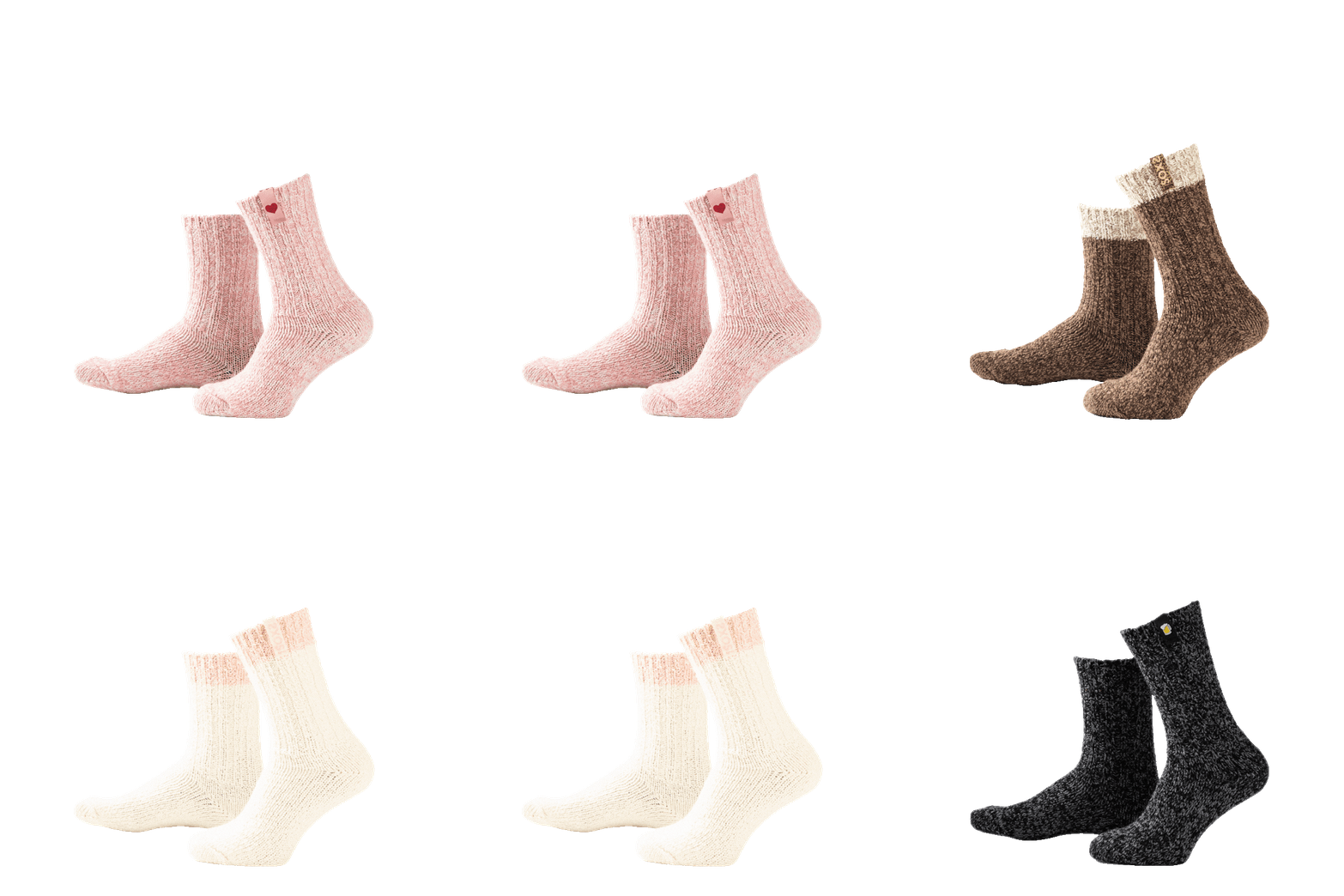
Soft warm premium wool socks
Gift ready, stylishly packaged
Orders placed before 1:00 PM will be shipped today (on weekdays) PLEASE NOTE: The delivery time of Pimp My Soxs is 5 working days!

Living with eczema means being extra careful about what touches your skin, especially when it comes to clothing and accessories. Your feet, often confined to shoes for hours, need special attention to prevent irritation and flare-ups. The right wool socks can provide comfort and relief for sensitive skin, but knowing which features to look for makes all the difference.
Understanding how different wool types and sock construction affect eczema-prone skin helps you make informed choices. Not all wool is created equal, and some varieties are specifically designed to be gentler on sensitive skin while still providing the warmth and moisture-wicking benefits that make wool so appealing.
Wool socks are suitable for eczema-prone skin when they’re made from fine, soft fibers like merino wool that don’t irritate sensitive areas. The key lies in wool’s natural moisture-wicking properties, which keep feet dry and prevent the damp conditions that often trigger eczema flare-ups.
Unlike synthetic materials that can trap moisture and create breeding grounds for bacteria, quality wool naturally regulates temperature and humidity around your feet. This breathability prevents the sweaty, clammy feeling that can worsen eczema symptoms. The lanolin naturally present in wool also provides mild antimicrobial properties, reducing the risk of infections that can complicate eczema.
The fiber structure matters significantly for comfort. Merino wool fibers are much finer than regular wool, measuring less than 24 microns in diameter. This fineness means the fibers bend easily when they touch your skin rather than creating the scratchy sensation that coarser wools produce. When shopping for eczema-friendly wool socks, look for those specifically labeled as “soft” or made from “fine” wool varieties.
Additionally, the construction of the sock plays a role in skin comfort. Seamless or flat-seam construction reduces friction points that could irritate already sensitive skin. The elastic content should be minimal and positioned carefully to avoid creating tight bands that restrict circulation or create pressure points.
Yes, merino wool is significantly better than regular wool for sensitive skin because its ultra-fine fibers are less likely to cause irritation or itching. Merino fibers are approximately three times finer than regular wool, making them feel soft and smooth against the skin rather than scratchy.
Regular wool, often sourced from breeds like Romney or Corriedale sheep, has thicker, coarser fibers that can feel rough and prickly against sensitive skin. These coarser fibers don’t bend as easily when they contact your skin, creating a scratching sensation that can trigger eczema flare-ups or general skin irritation.
Merino wool offers superior moisture management compared to regular wool. It can absorb up to 30% of its weight in moisture while still feeling dry to the touch. This exceptional moisture-wicking ability keeps your feet in an optimal environment, preventing the damp conditions that can exacerbate eczema symptoms.
The natural crimp in merino wool fibers also creates tiny air pockets that provide excellent insulation without bulk. This means you get warmth without the thick, heavy feeling that some regular wool socks can create. For people with eczema, this lighter feel reduces the sensation of constriction that might cause them to scratch or adjust their socks frequently.
If you have a true wool allergy, you should avoid wool socks entirely and choose alternative natural fibers like bamboo, organic cotton, or silk that provide similar benefits without the allergenic proteins. However, many people who think they’re allergic to wool are actually sensitive to the coarse texture or chemical treatments used in lower-quality wool products.
Before assuming you have a wool allergy, consider whether your reactions might be due to wool sensitivity rather than a true allergic response. Wool sensitivity typically manifests as itching, a scratching sensation, or mild skin irritation, while a true wool allergy involves immune system responses like hives, swelling, or respiratory symptoms.
If you want to test your tolerance, start with the finest grade of merino wool socks you can find. Look for products labeled as “superfine” or “ultrafine” merino wool, which have fiber diameters of 18.5 microns or less. These ultra-soft fibers are less likely to trigger sensitivity reactions and may be tolerable even for those with mild wool sensitivities.
When testing new wool socks, wear them for short periods initially and monitor your skin’s response. Start with just an hour or two, and gradually increase the wearing time if you don’t experience irritation. Always wash new wool socks before wearing them to remove any processing residues that might cause reactions.
Consider wool blends as an alternative. Some manufacturers create blends that combine small amounts of very fine wool with other natural fibers like silk or bamboo. These blends can provide some of wool’s benefits while reducing the likelihood of sensitivity reactions.
Seamless construction, moisture-wicking materials, and loose-fitting designs are the most important sock features for preventing eczema flare-ups. These elements work together to minimize friction, maintain dry skin conditions, and avoid constriction that can worsen symptoms.
Seamless or flat-seam construction eliminates the raised ridges found in traditional sock seams. These ridges can create pressure points and friction areas that irritate sensitive skin, especially around the toes and heel, where eczema commonly occurs. Look for socks specifically marketed as “seamless” or those with hand-linked toe seams.
Moisture-wicking capability prevents the damp, warm environment that encourages bacterial growth and can trigger eczema flare-ups. Natural fibers like merino wool excel at this, but some high-quality synthetic blends also provide excellent moisture management. The key is ensuring your feet stay dry throughout the day.
A proper fit without constriction helps maintain healthy circulation and prevents the skin irritation that tight elastic bands can cause. The sock should stay up without creating visible indentations on your leg or ankle. Look for socks with graduated compression rather than tight elastic bands, or choose styles with minimal elastic content.
Antimicrobial properties, whether natural (like those found in wool) or applied to synthetic fibers, help prevent bacterial and fungal growth that can complicate eczema. This is particularly important for people whose eczema makes them prone to secondary skin infections.
Finally, consider socks with temperature-regulating properties. Overheating can trigger eczema flare-ups in some people, so socks that help maintain a consistent, comfortable temperature around your feet can be beneficial. Merino wool naturally provides this temperature regulation, adapting to keep you warm when it’s cold and cool when it’s warm.
When you’re dealing with eczema, the right socks become more than just a clothing item—they’re part of your skincare routine. At SOXS, we understand this need and craft our merino wool socks with the finest, softest fibers to provide comfort without compromise. Our ethically sourced wool naturally wicks moisture and regulates temperature, creating the ideal environment for sensitive skin while delivering the warmth and comfort you deserve.