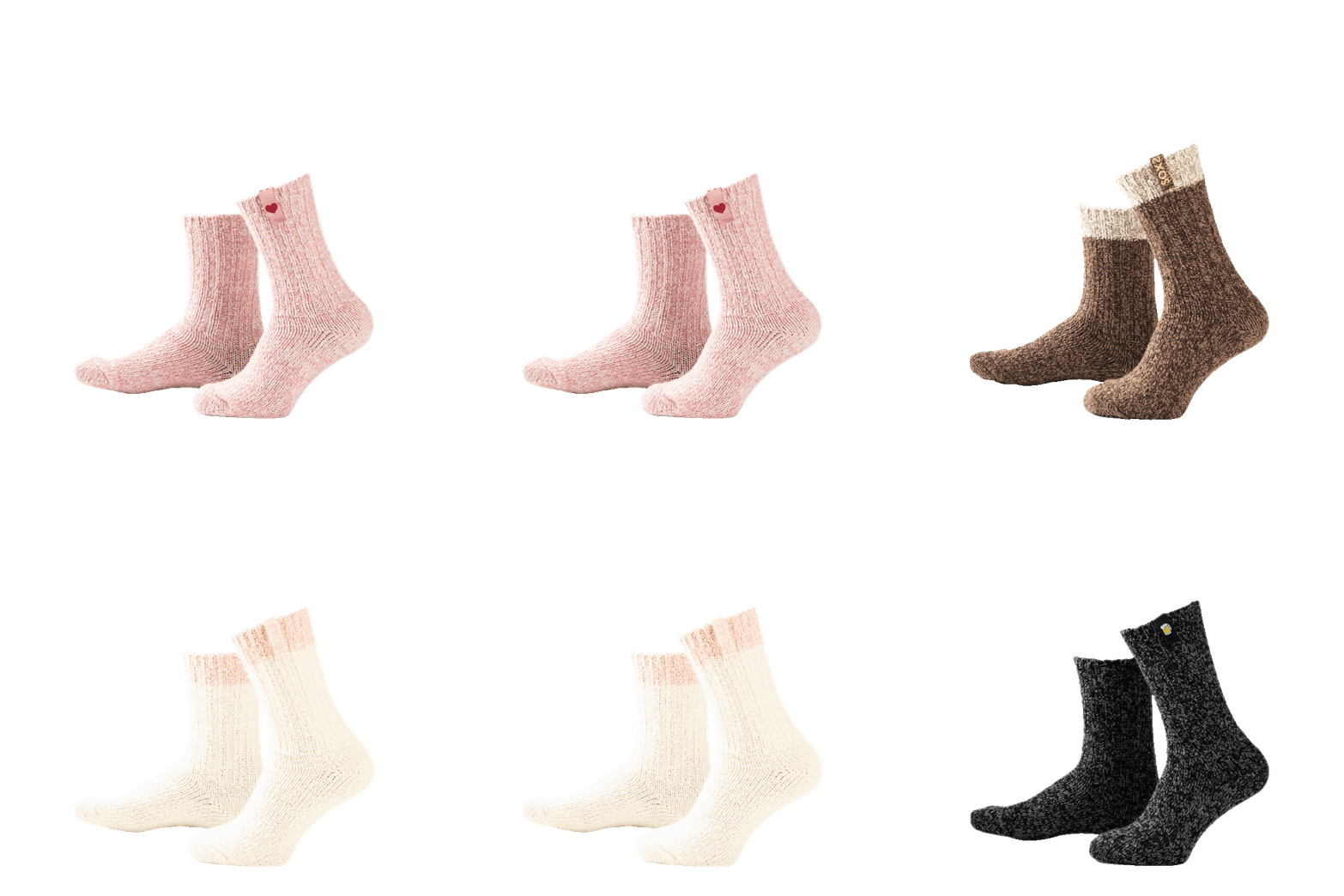
Soft warm premium wool socks
Gift ready, stylishly packaged
Orders placed before 1:00 PM will be shipped today (on weekdays) PLEASE NOTE: The delivery time of Pimp My Soxs is 5 working days!

Choosing the right socks after surgery can significantly impact your comfort and recovery. While many people focus on wound care and medication, the simple choice of what to wear on your feet often gets overlooked. Post-surgery recovery requires careful attention to circulation, comfort, and hygiene, making your sock selection more important than you might think.
Wool socks, particularly those made from high-quality merino wool, offer unique benefits during the healing process. They provide natural temperature regulation, moisture management, and gentle comfort that can support your recovery. Let’s explore what makes wool socks an excellent choice for post-surgical care and how to select the best options for your specific needs.
Wool socks excel in post-surgery recovery because they naturally regulate temperature, wick moisture away from the skin, and provide gentle, non-restrictive comfort. Merino wool can absorb up to 30% of its weight in moisture without feeling damp, keeping your feet dry and comfortable during extended periods of rest or limited mobility.
The natural properties of wool create an ideal healing environment for your feet. Unlike synthetic materials that can trap heat and moisture, wool breathes naturally and adjusts to your body temperature. This helps prevent the buildup of bacteria and reduces the risk of skin irritation during recovery, when your feet may be more sensitive than usual.
Wool’s soft, cushioned texture provides gentle support without creating pressure points. This becomes particularly important after surgery, when you may experience swelling, reduced mobility, or increased sensitivity. The natural elasticity of wool fibers allows the sock to move with your foot while maintaining its shape, ensuring consistent comfort throughout the day.
The choice between compression socks and regular wool socks depends on your specific surgical procedure and your doctor’s recommendations. Many surgeries require compression socks to help prevent blood clots, while others benefit more from the gentle comfort of regular wool socks that don’t restrict circulation.
Always follow your healthcare provider’s guidance first. If compression is medically necessary, you’ll need specialized compression garments rather than regular wool socks. However, if your doctor hasn’t specifically prescribed compression socks, regular wool socks often provide better comfort and support for healing.
For surgeries involving the lower extremities, the feet, or procedures requiring extended bed rest, non-restrictive wool socks can help promote circulation naturally. The gentle, even pressure from soft wool doesn’t constrict blood flow the way tight synthetic materials might. Some people find that wool socks with anti-slip soles provide the perfect balance of safety and comfort during recovery, when walking may feel unsteady.
Look for wool socks with seamless toe construction, a soft merino wool content (60-80%), moisture-wicking properties, and a non-restrictive fit. These features minimize irritation, prevent pressure points, and maintain optimal foot health during recovery, when comfort is paramount.
Seamless toe construction prevents rubbing and pressure points that could cause discomfort or skin breakdown during extended wear. This feature becomes especially important if you’re spending long periods in bed or have reduced mobility that might cause your feet to remain in one position for extended periods.
Anti-slip soles can provide valuable safety benefits if you’re walking during recovery. When balance or strength may be compromised, the extra grip helps prevent falls. Additionally, look for socks without tight elastic bands around the ankle or calf, as swelling is common after many surgical procedures.
Temperature-regulation features matter significantly during recovery. Choose socks that can keep your feet warm without causing overheating, as your body’s temperature regulation may be affected by medications or reduced activity levels.
Merino wool outperforms cotton, synthetic blends, and regular wool in post-surgery recovery due to its superior moisture management, natural antibacterial properties, and temperature regulation. Unlike cotton, which retains moisture, or synthetics, which can cause overheating, merino wool adapts to your body’s needs.
Cotton socks, while soft, can become problematic when they absorb moisture and stay damp against your skin. This creates an environment where bacteria can thrive and skin irritation can develop. During recovery, when hygiene and comfort are crucial, this moisture retention becomes a significant disadvantage.
Synthetic materials often trap heat and don’t breathe well, leading to sweaty, uncomfortable feet. They also tend to retain odors more than natural fibers. Regular wool can be scratchy and irritating against sensitive skin, while merino wool provides the benefits of wool without the roughness.
The natural antibacterial properties of merino wool help maintain foot hygiene during recovery, when you may not be able to change socks as frequently as usual. This natural resistance to odor and bacterial growth supports better overall foot health during the healing process.
You can typically start wearing soft wool socks immediately after most surgeries, unless your doctor has given specific restrictions about footwear. For foot or ankle surgeries, wait until your healthcare provider clears you to wear regular socks, which usually happens after the initial swelling subsides and wounds begin to heal.
For upper-body surgeries, abdominal procedures, or other operations not involving the feet, comfortable wool socks can be worn right away and often improve overall comfort during recovery. The gentle warmth and moisture-wicking properties support circulation and comfort without interfering with the surgical site.
After orthopedic surgeries involving the legs or hips, wool socks can usually be worn once you’re cleared for regular clothing, typically within the first few days after surgery. The key is ensuring the socks don’t interfere with any bandages, medical devices, or wound-care requirements.
Always prioritize your surgeon’s specific instructions over general guidelines. Some procedures may require special footwear or have restrictions on what can be worn during the initial healing period. When in doubt, ask your healthcare team about the best time to transition to comfortable wool socks.
Recovery comfort shouldn’t be overlooked as part of your healing journey. At SOXS, we understand that small comforts can make a big difference during challenging times. Our merino wool socks are designed with the gentle care and attention that recovery requires, offering warmth and comfort that can support your healing process naturally and sustainably.