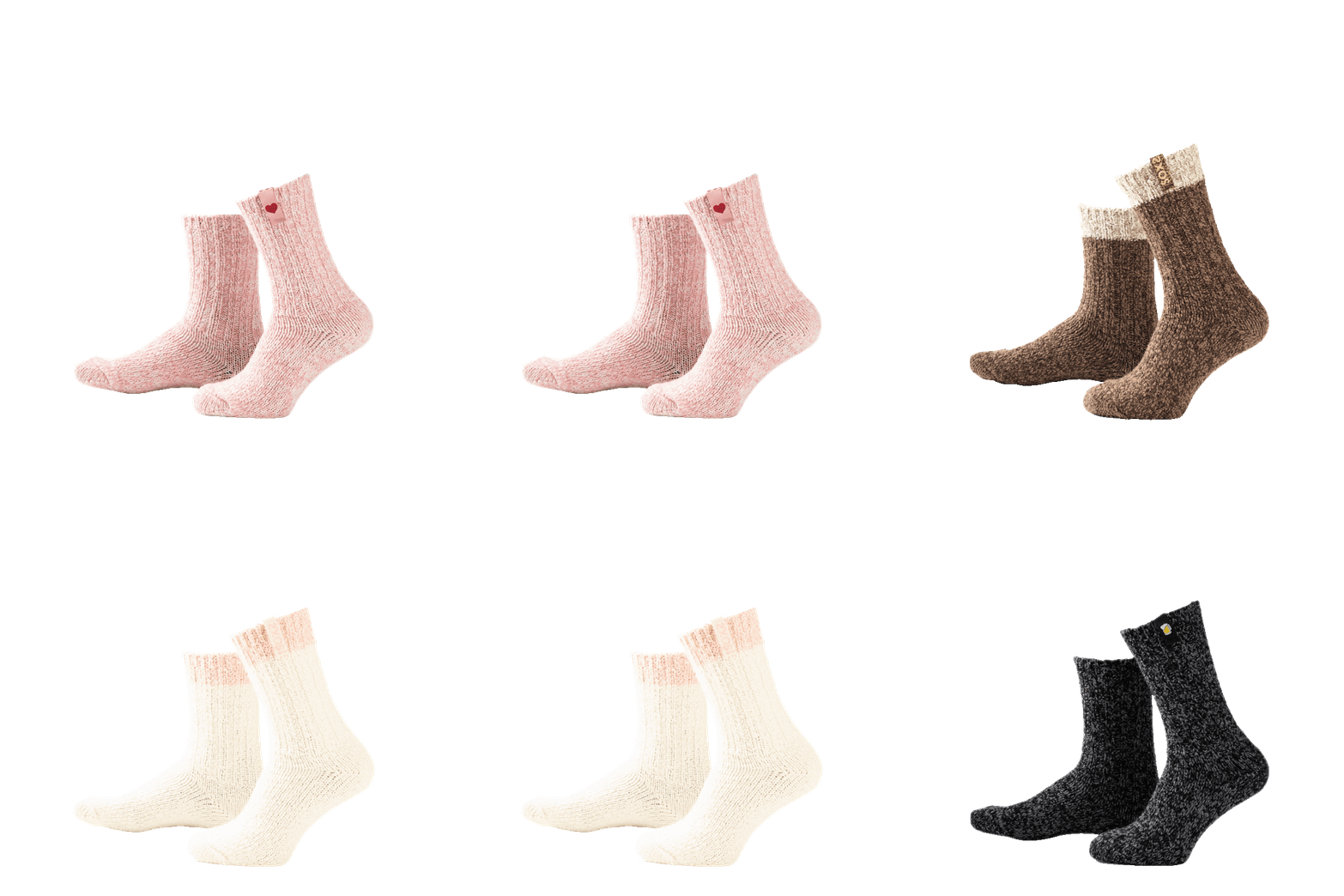

Soft warm premium wool socks
Gift ready, stylishly packaged
Orders placed before 1:00 PM will be shipped today (on weekdays) PLEASE NOTE: The delivery time of Pimp My Soxs is 5 working days!

Merino wool is the best wool for sensitive skin, with ultra-fine fibres under 20 microns that feel soft against the skin. Unlike regular wool, merino doesn’t have the coarse texture that causes itching and irritation. When combined with modern processing techniques and synthetic blends like polyamide, wool can become completely comfortable for even the most sensitive skin types.
Wool irritation happens because of thick, coarse fibres that create a scratchy feeling against your skin. Traditional wool fibres are often over 25 microns thick, which makes them feel rough and prickly. The natural scales on wool fibres can also catch and pull at sensitive skin, causing discomfort and redness.
Lanolin content plays a role too. This natural oil found in sheep’s wool can trigger allergic reactions in some people, though it’s actually beneficial for most skin types. The real culprit is usually the fibre diameter rather than the lanolin itself.
Processing methods can make wool sensitivity worse. Harsh chemical treatments, poor washing techniques, and inadequate quality control during manufacturing leave fibres rough and irritating. Wool that hasn’t been properly cleaned or processed retains debris and chemicals that can cause skin reactions.
The way wool is woven also matters. Loose weaves allow individual fibres to stick out and poke the skin, while tighter weaves keep fibres contained and create a smoother surface against your body.
Merino wool tops the list for sensitive skin, with fibres measuring just 18 to 20 microns in diameter. This makes merino feel silky smooth rather than scratchy. The fibres are so fine they bend when they touch your skin instead of poking it, eliminating the itchy sensation completely.
Lamb’s wool comes from young sheep and has naturally finer, softer fibres than adult sheep wool. It’s gentler on skin and often more comfortable for people with mild wool sensitivity.
Cashmere offers incredible softness with fibres around 15 to 19 microns, but it’s expensive and requires careful maintenance. Alpaca wool is another excellent choice because it contains no lanolin and has smooth, hollow fibres that feel gentle against skin.
Modern wool blends work brilliantly for sensitive skin. Combining high-quality sheep’s wool with polyamide creates a fabric that keeps wool’s natural benefits while eliminating the itch factor. The synthetic fibres smooth out the wool’s texture and add elasticity for better comfort.
Check the fibre diameter on product labels, as anything under 20 microns should feel comfortable on sensitive skin. Quality wool products will clearly state the micron count, with merino wool typically ranging from 18 to 20 microns for the softest feel.
Look for blend information on the label. Wool mixed with synthetic fibres like polyamide or elastane often feels much gentler than pure wool products. A wool and synthetic ratio provides excellent comfort while maintaining wool’s natural properties.
Feel the fabric between your fingers before purchasing. Quality wool for sensitive skin should feel smooth and soft, not rough or scratchy. If you can feel individual fibres poking through the weave, it’s likely to irritate your skin.
Read product descriptions carefully. Terms like “itch-free,” “hypoallergenic wool,” or “sensitive skin friendly” indicate the manufacturer has specifically addressed comfort concerns. Look for mentions of special processing or treatments designed to reduce irritation.
Test a small area first if possible. Place the wool against the inside of your wrist for a few minutes. If you feel any prickling or discomfort, the wool probably isn’t suitable for extended wear on sensitive skin.
Superwash treatment removes the natural scales from wool fibres, creating a smoother surface that won’t irritate sensitive skin. This process also makes wool machine-washable and prevents shrinking, though it does reduce some of wool’s natural properties like temperature regulation.
Modern processing techniques combine traditional New Zealand sheep’s wool with advanced technology to create itch-free fibres. These methods carefully control fibre diameter and surface texture while maintaining wool’s natural breathability and temperature-regulating properties.
Organic processing avoids harsh chemicals that can leave irritating residues on wool fibres. Gentle cleaning methods and natural treatments preserve the wool’s softness while removing any substances that might trigger skin reactions.
Blending with synthetic fibres like polyamide creates a hybrid material that feels completely different from traditional wool. The synthetic component smooths the overall texture and adds elasticity, making the fabric more comfortable against sensitive skin.
Quality control during manufacturing ensures consistent fibre diameter and removes any coarse fibres that could cause irritation. Premium wool products undergo multiple sorting processes to eliminate problematic fibres before they reach the final product.
Wash wool items using a gentle wool detergent at maximum 30°C to preserve the fibres’ softness. Hand washing works best, but you can use a machine’s wool programme with low spin speeds between 400 and 600 rpm to avoid damaging the delicate fibres.
Never put wool in the dryer as the heat and tumbling action will make fibres rough and potentially shrink the item. Instead, lay wool items flat to dry naturally, maintaining their shape and soft texture.
Use fabric softener specifically designed for wool to maintain the gentle feel against your skin. Regular fabric softeners can damage wool fibres or leave residues that cause irritation.
Store wool items properly by folding them loosely and keeping them in breathable storage bags. Avoid hanging heavy wool items as this can stretch the fibres and change the fabric’s texture against your skin.
Regular gentle washing actually helps maintain wool’s comfort level. Clean wool feels softer and more pleasant against sensitive skin than wool that’s been worn multiple times without washing. The key is using the right temperature and gentle handling throughout the process.
Finding wool that works with sensitive skin doesn’t have to be challenging when you know what to look for. Focus on fine-fibre wools like merino, check for synthetic blends that add comfort, and choose products from manufacturers who specifically address sensitivity concerns. With proper care and the right wool types, you can enjoy all the natural benefits of wool including warmth, breathability, and temperature regulation without any discomfort. At SOXS, we’ve combined traditional craftsmanship with modern technology to create wool products that are completely itch-free, proving that sensitive skin and wool comfort can go hand in hand.