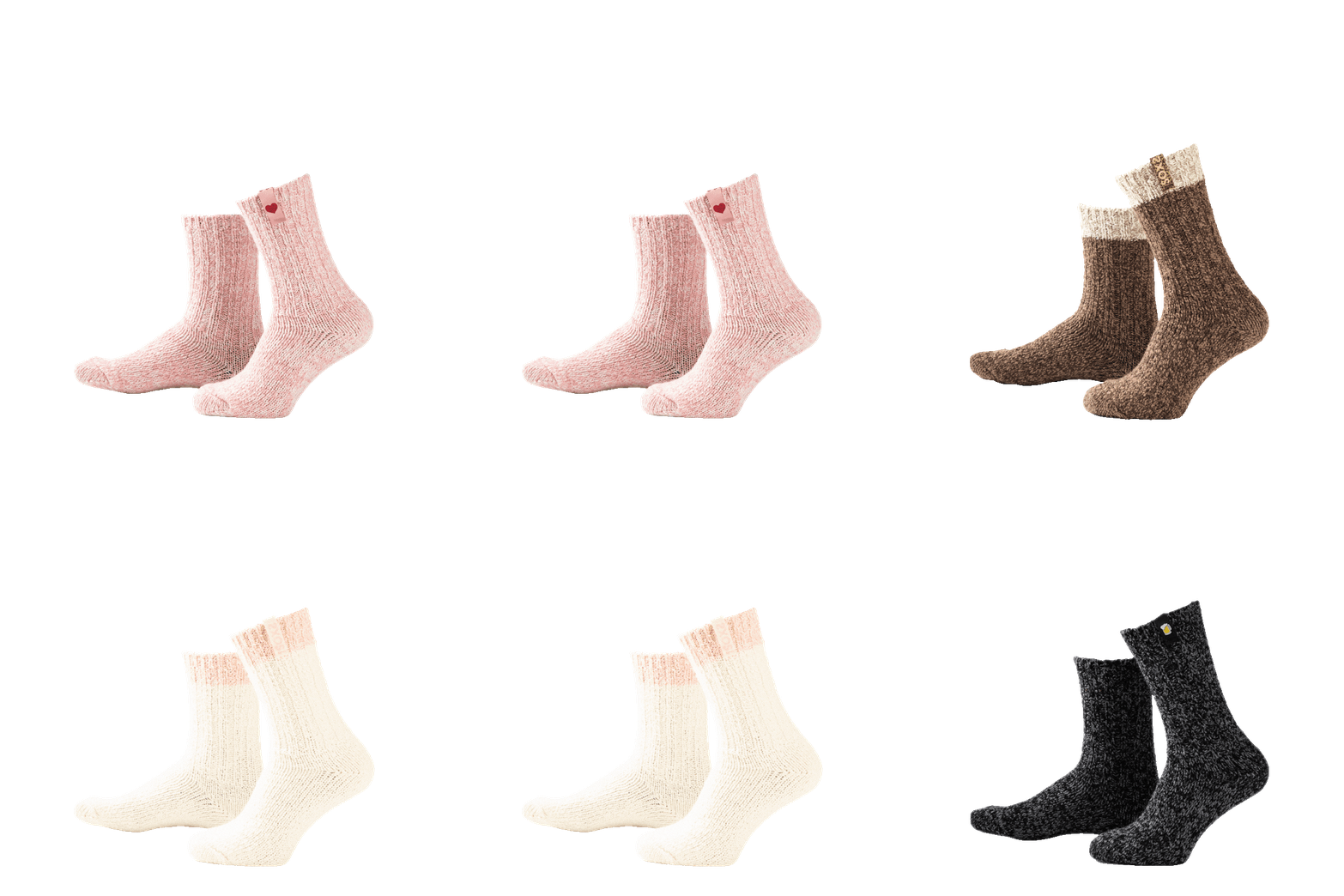
Soft warm premium wool socks
Gift ready, stylishly packaged
Orders placed before 1:00 PM will be shipped today (on weekdays) PLEASE NOTE: The delivery time of Pimp My Soxs is 5 working days!

When dealing with swollen feet, compression socks and wool socks offer the most effective relief. Compression socks provide graduated pressure that improves circulation, while wool socks offer natural temperature regulation and moisture-wicking properties that reduce inflammation. The right combination of material, fit, and compression level can significantly improve comfort for people experiencing foot swelling from various causes.
Foot swelling can occur due to prolonged sitting, medical conditions like diabetes or circulation issues, pregnancy, and fluid retention. Properly designed socks help by providing gentle compression that encourages blood flow back toward the heart, reducing fluid accumulation in the feet and ankles.
The key is understanding that swelling happens when fluid builds up in tissues. This can result from spending long hours on your feet, sitting at a desk all day, or underlying health conditions. Socks designed for swollen feet work by applying consistent, gentle pressure that supports your body’s natural circulation system.
Temperature regulation also plays a role. Wool socks, particularly those made from merino wool, naturally regulate foot temperature and wick moisture away from the skin. This prevents the additional inflammation that can occur when feet become too warm or remain damp, which is especially important for people with diabetes or circulation problems.
Compression socks apply graduated pressure that’s strongest at the ankle and decreases up the leg, while regular socks provide uniform support without therapeutic compression. Medical-grade compression offers 15–30 mmHg of pressure for more serious swelling, while everyday compression socks provide 8–15 mmHg for mild discomfort.
Regular socks focus on comfort and warmth but don’t actively address circulation issues. They can still help with swelling if they’re made from the right materials and fit properly without constricting blood flow. The elastic band shouldn’t dig into your ankle or create visible marks on your skin.
Compression socks are specifically engineered to improve venous return—the process of blood flowing back to your heart. They’re recommended for people with chronic swelling, varicose veins, or those who stand for long periods. However, they require proper fitting and aren’t suitable for everyone, particularly those with certain arterial conditions.
For mild, occasional swelling, high-quality regular socks made from breathable materials like wool can provide sufficient relief without the need for medical-grade compression.
Merino wool stands out as the best material for swollen feet because it naturally regulates temperature, wicks moisture effectively, and provides gentle cushioning without bulk. Wool can absorb up to 30% of its weight in moisture while still feeling dry, preventing the additional inflammation that occurs with damp conditions.
Cotton, while comfortable, retains moisture and can become problematic for swollen feet. When cotton socks become damp from perspiration, they can contribute to skin irritation and don’t provide the temperature regulation needed for optimal comfort.
Synthetic blends offer durability and moisture-wicking properties, making them suitable for active individuals. However, they don’t provide the natural temperature regulation of wool. Bamboo socks offer excellent breathability and natural antimicrobial properties, making them a good alternative for those who prefer plant-based materials.
The key is choosing materials that keep feet dry and at a consistent temperature. Wool’s natural crimp structure traps air for insulation while allowing moisture to pass through, creating an ideal environment for swollen feet to remain comfortable throughout the day.
Socks for swollen feet should fit snugly without constriction, and you may need to size up from your normal sock size. The elastic band should sit comfortably around your ankle without leaving marks, and seamless toe construction prevents pressure points that can worsen discomfort.
Proper fit means the sock doesn’t bunch up in your shoes or slide down during wear, but it also doesn’t create tight bands around your ankle or calf. If you notice indentations from the sock’s elastic after wearing it, it’s too tight and could be restricting circulation rather than helping it.
Consider the timing of your sock shopping—feet tend to swell throughout the day, so measuring your feet in the afternoon gives a more accurate size for comfortable all-day wear. Look for socks with cushioned soles that provide padding without adding bulk that makes shoes feel tight.
Seamless construction is particularly important because swollen feet are often more sensitive to pressure and friction. Traditional toe seams can create uncomfortable pressure points that become problematic when feet are already tender from swelling.
Seamless toe construction, extra cushioning, and moisture management are important additional features for swollen feet. Antimicrobial properties help prevent odour and bacterial growth, while arch support can improve overall foot comfort without adding restrictive pressure.
Extra cushioning in the heel and forefoot areas provides comfort without bulk, which is important when shoes may already feel tighter due to swelling. However, avoid excessive padding that could make shoes uncomfortable or create additional pressure points.
Moisture management goes beyond basic wicking—look for socks that actively move moisture away from the skin and allow it to evaporate quickly. This prevents the maceration and irritation that can occur when swollen skin remains damp.
Some socks feature light compression zones in specific areas like the arch, providing support without the full compression of medical-grade socks. These can be helpful for people who need mild support but find full compression socks uncomfortable or unnecessary.
Temperature regulation features, such as ventilation zones or cooling fibres, can help prevent the additional swelling that heat can cause. Natural fibres like wool excel at this, but some synthetic blends also offer effective temperature management.
SOXS provides the perfect solution for swollen feet through specially designed wool socks that combine therapeutic comfort with natural materials. Our approach addresses the key challenges of foot swelling with features that make a real difference:
• Non-restrictive elastic bands that provide gentle support without cutting off circulation or leaving uncomfortable marks
• Premium merino wool construction that naturally regulates temperature and wicks moisture to prevent inflammation
• Seamless toe design that eliminates pressure points on sensitive, swollen areas
• Graduated cushioning that provides comfort without adding bulk that makes shoes feel tight
• Breathable design that prevents the heat buildup that can worsen swelling throughout the day
Experience the difference that properly designed socks can make for your swollen feet. Shop our complete collection and discover how SOXS wool socks provide the therapeutic comfort your feet deserve without compromising on style or durability.
For best results, wear compression socks during your most active hours—typically from morning until evening. Remove them before bed unless specifically advised by your healthcare provider, as your legs should be elevated during sleep to naturally reduce swelling. Start with shorter periods (2-4 hours) if you’re new to compression socks and gradually increase wear time as your legs adjust.
Yes, high-quality wool socks can be effective for mild, occasional swelling without the need for medical-grade compression. Merino wool’s natural moisture-wicking and temperature regulation properties help reduce inflammation, while a proper fit ensures you don’t restrict circulation. However, if swelling persists or worsens, consult a healthcare provider about whether compression therapy is needed.
The most common mistake is choosing socks that are too tight, thinking tighter means better support. Overly tight socks can actually worsen circulation and increase swelling. Another frequent error is buying socks in the morning when feet are at their smallest—always measure and shop for socks in the afternoon when your feet are naturally more swollen for accurate sizing.
Generally, you shouldn’t wear compression socks to bed unless specifically recommended by your doctor. Instead, elevate your feet above heart level while sleeping and consider lightweight, breathable wool socks if your feet get cold. Night-time swelling often indicates you need better daytime management or should consult a healthcare provider about underlying causes.
Seek medical advice if swelling is sudden, severe, affects only one foot, is accompanied by pain or skin changes, or doesn’t improve with elevation and proper socks. Persistent swelling that interferes with daily activities or occurs alongside shortness of breath, chest pain, or other concerning symptoms requires immediate medical evaluation, as it may indicate serious underlying conditions.
Yes, most high-quality merino wool socks can be machine washed on a gentle cycle with cold water and wool-specific detergent. Avoid fabric softeners and bleach, and air dry them away from direct heat to maintain their shape and moisture-wicking properties. Proper care ensures your wool socks continue providing optimal comfort and therapeutic benefits for swollen feet.