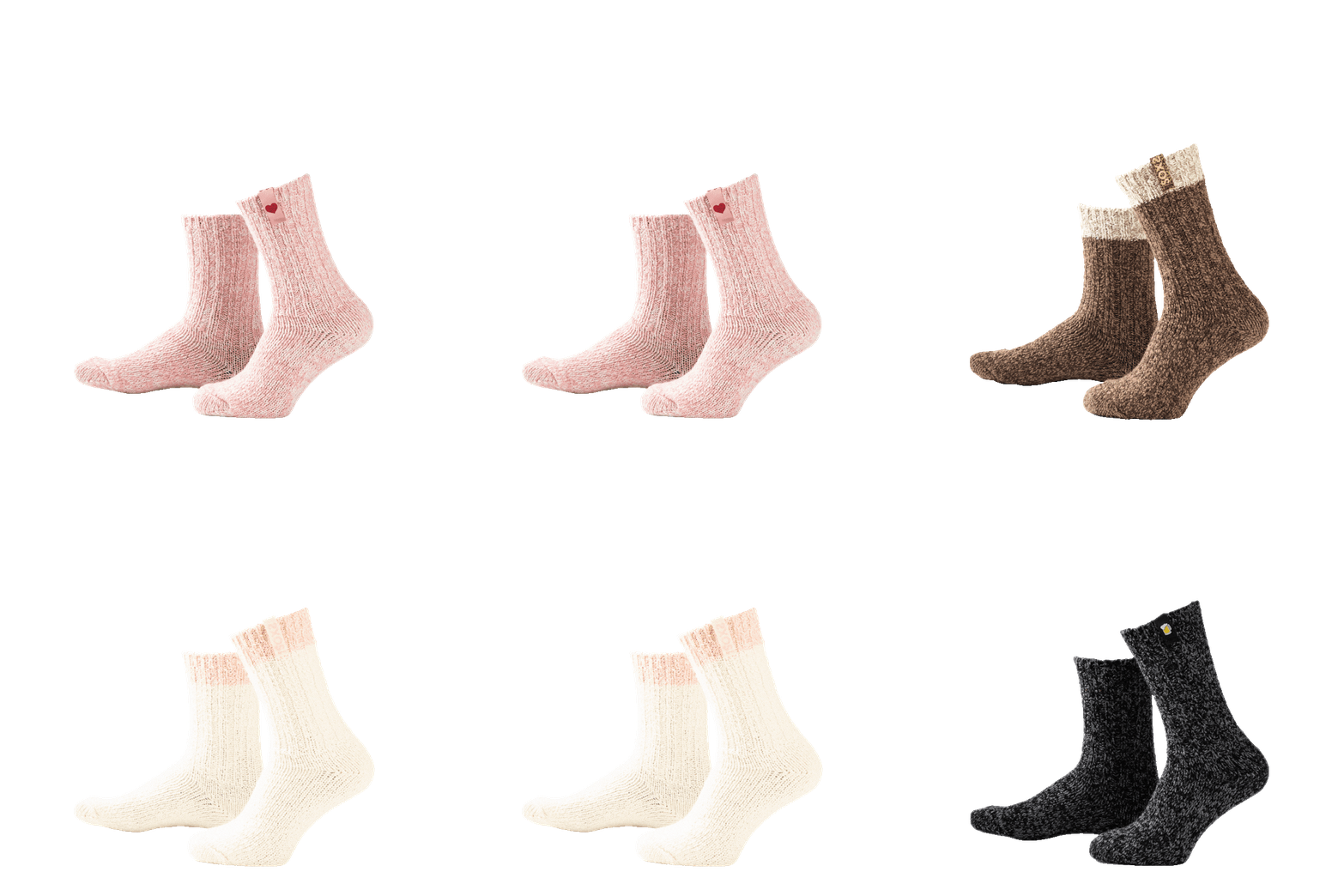
Soft warm premium wool socks
Gift ready, stylishly packaged
Orders placed before 1:00 PM will be shipped today (on weekdays) PLEASE NOTE: The delivery time of Pimp My Soxs is 5 working days!

Finding the right socks for sensitive skin can transform your daily comfort. Whether you deal with eczema, allergies, or general skin sensitivity, the wrong sock material can cause irritation, itching, and discomfort throughout the day. The good news is that certain natural fibers and thoughtful design features can provide the gentle protection your skin needs.
Understanding which materials work best and what features to look for helps you make informed choices that keep your feet comfortable and your skin happy. Let’s explore the key factors that make socks truly suitable for sensitive skin.
Socks suitable for sensitive skin feature natural, breathable fibers, seamless construction, and gentle elastic bands that don’t restrict circulation. The most important factors are material composition, moisture-wicking properties, and a comfortable fit that prevents chafing or pressure points.
Natural fibers like merino wool and organic cotton create a barrier between your skin and potential irritants while allowing air circulation. These materials naturally regulate temperature and moisture, preventing the damp conditions in which bacteria and fungi thrive. Unlike synthetic materials that can trap heat and moisture, natural fibers actively work to keep your feet dry and comfortable.
The construction quality matters just as much as the material. Look for socks with flat toe seams or seamless designs that eliminate rough edges against your skin. The elastic band should provide gentle support without creating tight pressure lines around your ankle or calf. This combination of thoughtful material selection and careful construction creates an environment in which sensitive skin can remain comfortable throughout the day.
Merino wool and organic cotton are the top materials for sensitive skin due to their natural hypoallergenic properties, moisture management, and soft texture. Bamboo fiber also offers excellent breathability and antimicrobial benefits, while avoiding synthetic blends reduces the risk of allergic reactions.
Merino wool stands out as particularly beneficial for sensitive skin because its fine fibers are much softer than regular wool. The natural lanolin in wool provides gentle moisturizing properties, while the fiber structure creates tiny air pockets that insulate without overheating. Wool can absorb up to 30% of its weight in moisture without feeling damp, making it excellent for people whose skin reacts poorly to wetness.
Organic cotton offers a different set of benefits, providing a smooth, non-irritating surface that’s ideal for those with chemical sensitivities. Since organic cotton is grown without pesticides or harsh chemicals, it reduces the likelihood of skin reactions. Bamboo fiber combines the best of both worlds, offering cotton-like softness with wool-like moisture management, plus natural antimicrobial properties that help prevent odor and bacterial growth.
High-quality merino wool socks are excellent for sensitive skin because they’re naturally hypoallergenic, temperature-regulating, and softer than traditional wool. The key is choosing fine-grade merino wool rather than coarse wool varieties that can feel scratchy or irritating.
The misconception that all wool is scratchy comes from experience with lower-grade wool fibers. Merino wool fibers are significantly finer, measuring less than 24 microns in diameter compared to regular wool’s 30+ microns. This finer structure feels smooth against the skin rather than prickly. Additionally, merino wool naturally resists odor-causing bacteria, reducing the need for frequent washing with harsh detergents that can irritate sensitive skin.
Wool’s temperature-regulation properties make it particularly valuable for sensitive skin that reacts to overheating or excessive moisture. The fiber naturally adjusts to your body temperature, keeping feet warm in cold conditions and cool when temperatures rise. This consistent comfort level helps prevent the skin irritation that can occur when feet become too hot, sweaty, or cold.
Choose socks made from single natural fibers like 100% merino wool or organic cotton, avoid dyes and chemical treatments, and look for certifications like OEKO-TEX that guarantee the absence of harmful substances. Always check fiber content labels and test new socks gradually.
Start by identifying your specific triggers. If you react to synthetic materials, avoid polyester, nylon, and acrylic blends entirely. For those sensitive to dyes, choose socks in natural, undyed colors like cream, gray, or brown. Chemical sensitivities require extra attention to manufacturing processes, so look for socks labeled as free from formaldehyde, chlorine bleaching, and other harsh treatments.
When trying new socks, introduce them gradually rather than wearing them for full days immediately. Start with short periods and monitor your skin’s reaction. Keep a record of which brands and materials work well for you, as manufacturing processes can vary even within the same fiber type. Consider purchasing from companies that specialize in sensitive-skin products, as they’re more likely to understand and avoid common allergens.
Seamless toe construction, non-binding tops, moisture-wicking properties, and cushioned soles help prevent skin irritation. Additionally, proper sizing ensures the sock doesn’t bunch up or create pressure points that can cause friction and discomfort.
Seamless or flat-seam construction eliminates the thick, rough edges that traditional sock seams create. These raised seams can rub against sensitive skin, especially around the toes where movement is constant. Cushioned soles provide extra protection in high-pressure areas while maintaining the sock’s overall softness.
Non-binding tops use gentle elastic that holds the sock in place without creating tight bands around your leg. This feature is particularly important for people with circulation sensitivities or those who develop marks or irritation from elastic pressure. The combination of these features creates a sock that stays in place comfortably without causing any points of irritation or restriction.
Proper fit cannot be overstated. Socks that are too small will stretch and create pressure, while oversized socks bunch up and create friction points. The right size allows the sock to follow your foot’s natural contours without excess material that can cause blisters or irritation.
When you’re dealing with sensitive skin, every detail matters in your clothing choices. At SOXS, we understand this challenge, which is why our merino wool socks are crafted with fine, soft fibers and thoughtful construction designed for all-day comfort. The natural properties of our ethically sourced New Zealand wool provide the gentle care your skin deserves while delivering the warmth and breathability that keep your feet comfortable throughout any activity.