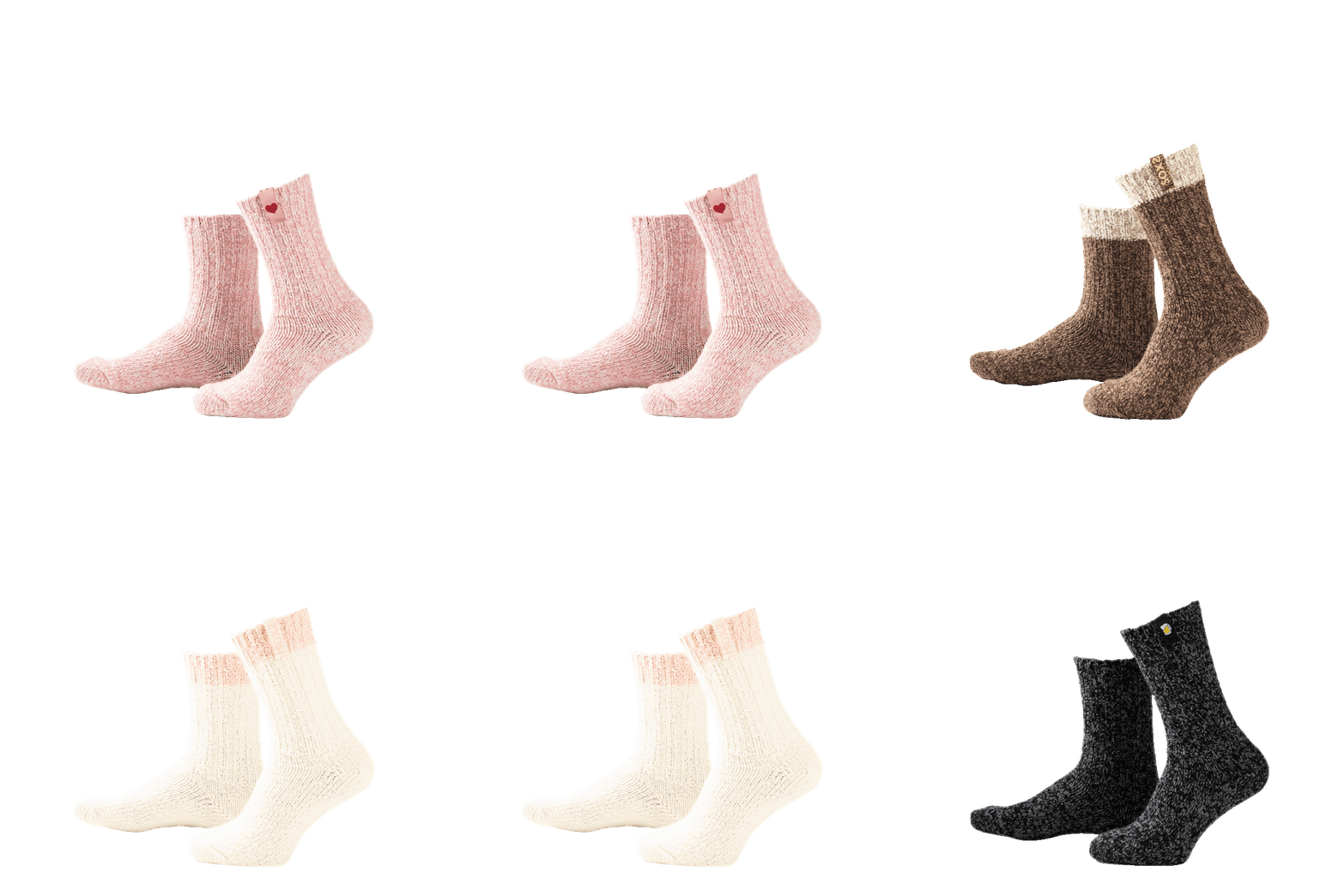
Soft warm premium wool socks
Gift ready, stylishly packaged
Orders placed before 1:00 PM will be shipped today (on weekdays) PLEASE NOTE: The delivery time of Pimp My Soxs is 5 working days!

Cold feet can be more than just an uncomfortable nuisance. When your feet consistently feel cold, it may signal circulation issues, nerve problems, or other health concerns that podiatrists regularly address. Understanding which socks podiatrists recommend for cold feet can make a significant difference in your daily comfort and overall foot health.
The right sock choice goes beyond simple warmth. Podiatrists consider factors such as material composition, fit, moisture management, and circulation support when recommending socks for patients with chronically cold feet. Let’s explore the professional recommendations that can help keep your feet warm and healthy.
Cold feet typically result from poor circulation, nerve damage, or conditions such as diabetes and peripheral artery disease. Podiatrists care about sock choice because the wrong socks can worsen circulation problems, trap moisture that leads to infections, or create pressure points that reduce blood flow.
Poor circulation is the most common culprit behind chronically cold feet. When blood flow to your extremities is restricted, your feet don’t receive adequate warmth from your body’s core temperature. This can happen due to tight clothing, prolonged sitting, or underlying medical conditions.
Nerve damage, particularly in people with diabetes, can also cause cold sensations in the feet. When nerves aren’t functioning properly, they may send incorrect temperature signals to your brain. Additionally, conditions such as Raynaud’s disease cause blood vessels to narrow excessively in response to cold, leaving feet feeling frigid even in mild temperatures.
Podiatrists emphasize proper sock selection because socks are in direct contact with your skin for extended periods. They can either support healthy circulation and temperature regulation or create problems that exacerbate cold feet symptoms.
Podiatrists most frequently recommend wool socks for cold feet because wool provides superior insulation, moisture-wicking properties, and temperature regulation. Merino wool is particularly effective because it’s soft, non-itchy, and maintains warmth even when damp.
Wool’s unique fiber structure traps air, creating an insulating layer that keeps feet warm. Unlike synthetic materials, wool continues to provide insulation even when it absorbs moisture from perspiration. This prevents the clammy, cold feeling that cotton socks often create when they become wet.
Synthetic blends containing materials such as polypropylene or polyester can also be effective for cold feet. These materials wick moisture away from the skin quickly and dry faster than natural fibers. However, they may not provide the same level of warmth retention as wool.
Podiatrists strongly advise against cotton socks for people with cold feet. Cotton absorbs moisture but doesn’t release it efficiently, creating a damp environment that can actually make feet feel colder. Cotton also loses its insulating properties when wet, making it counterproductive for warmth.
For chronically cold feet, podiatrists recommend socks with cushioned soles, seamless toe construction, and graduated compression. These features improve comfort, reduce pressure points, and support healthy blood circulation to help maintain warmth.
Cushioned soles provide extra insulation between your feet and cold surfaces such as floors or shoe soles. This additional padding also reduces pressure on blood vessels in your feet, allowing for better circulation. Look for socks with targeted cushioning in the heel and forefoot areas.
Seamless toe construction prevents pressure points and hot spots that can restrict blood flow. Traditional toe seams can create uncomfortable ridges that press against your toes, which is particularly problematic for people with circulation issues or diabetes.
The right thickness matters, too. Medium-weight socks typically provide the best balance of warmth and breathability. Extremely thick socks can actually make feet colder by creating a tight fit that restricts circulation inside your shoes.
Compression socks help with cold feet by applying graduated pressure that promotes blood flow from the feet back toward the heart. This improved circulation delivers more warm blood to the feet and helps prevent blood from pooling in the lower extremities.
The graduated compression design applies the strongest pressure at the ankle and gradually decreases up the leg. This pressure gradient helps push blood upward against gravity, combating the circulation problems that often cause cold feet. Improved blood flow means more warm blood reaches your toes and feet.
Compression levels for cold feet typically range from 15 to 20 mmHg for mild circulation issues, though some people may benefit from higher compression levels. It’s important to be properly fitted for compression socks, as incorrect sizing can actually worsen circulation problems.
Not everyone with cold feet needs compression socks. They’re most beneficial for people with diagnosed circulation problems, those who stand or sit for long periods, or individuals with conditions such as diabetes or peripheral artery disease. Consult a podiatrist to determine whether compression socks are appropriate for your specific situation.
Diabetic socks are specifically designed with non-binding tops, moisture-wicking materials, and seamless construction to help prevent complications in people with diabetes, while regular warm socks focus primarily on insulation and comfort without these specialized safety features.
The key difference lies in the health considerations. Diabetic socks prioritize preventing injuries and infections that could become serious complications for people with diabetes. They feature loose-fitting tops that don’t restrict circulation, extra padding to help prevent pressure sores, and antimicrobial treatments to reduce infection risk.
Regular warm socks may have elastic bands or tighter fits that could restrict circulation in people with diabetes. They also may not have the seamless construction necessary to help prevent blisters or sores that heal poorly in people with diabetes.
However, many features of diabetic socks benefit anyone with cold feet. The moisture-wicking properties, cushioned soles, and seamless toes can improve comfort and circulation for all users. People without diabetes can often use diabetic socks as high-quality warm socks, though they may be more expensive than regular options.
You should see a podiatrist about persistently cold feet if they’re accompanied by pain, numbness, or color changes, or if cold feet interfere with daily activities despite wearing appropriate socks and footwear. These symptoms may indicate underlying circulation or nerve problems that require medical attention.
Certain warning signs warrant immediate podiatric consultation. If your feet turn white, blue, or red when cold, this could indicate Raynaud’s disease or other vascular conditions. Numbness or tingling alongside cold feet might suggest nerve damage, which is particularly concerning for people with diabetes.
Persistent cold feet that don’t respond to warming measures such as appropriate socks, warm environments, or physical activity could signal circulation disorders. Peripheral artery disease, for example, reduces blood flow to the extremities and requires medical management.
Pain accompanying cold feet is another red flag. This combination might indicate blood clots, nerve compression, or other serious conditions. Don’t ignore cold feet that worsen over time or develop alongside other symptoms such as swelling, wounds that heal slowly, or changes in skin texture or color.
At SOXS, we understand the importance of keeping your feet warm and comfortable. Our premium wool socks are made from ethically sourced New Zealand sheep’s wool and provide the natural warmth and moisture-wicking properties that podiatrists value most for addressing cold feet.
Our SOXS wool socks offer several key benefits for cold feet:
Whether you’re dealing with chronically cold feet or simply want the comfort of premium wool socks, SOXS provides the quality and warmth your feet deserve. Explore our collection of men’s, women’s, and children’s wool socks to experience the difference that sustainable, high-quality materials can make for your foot comfort.