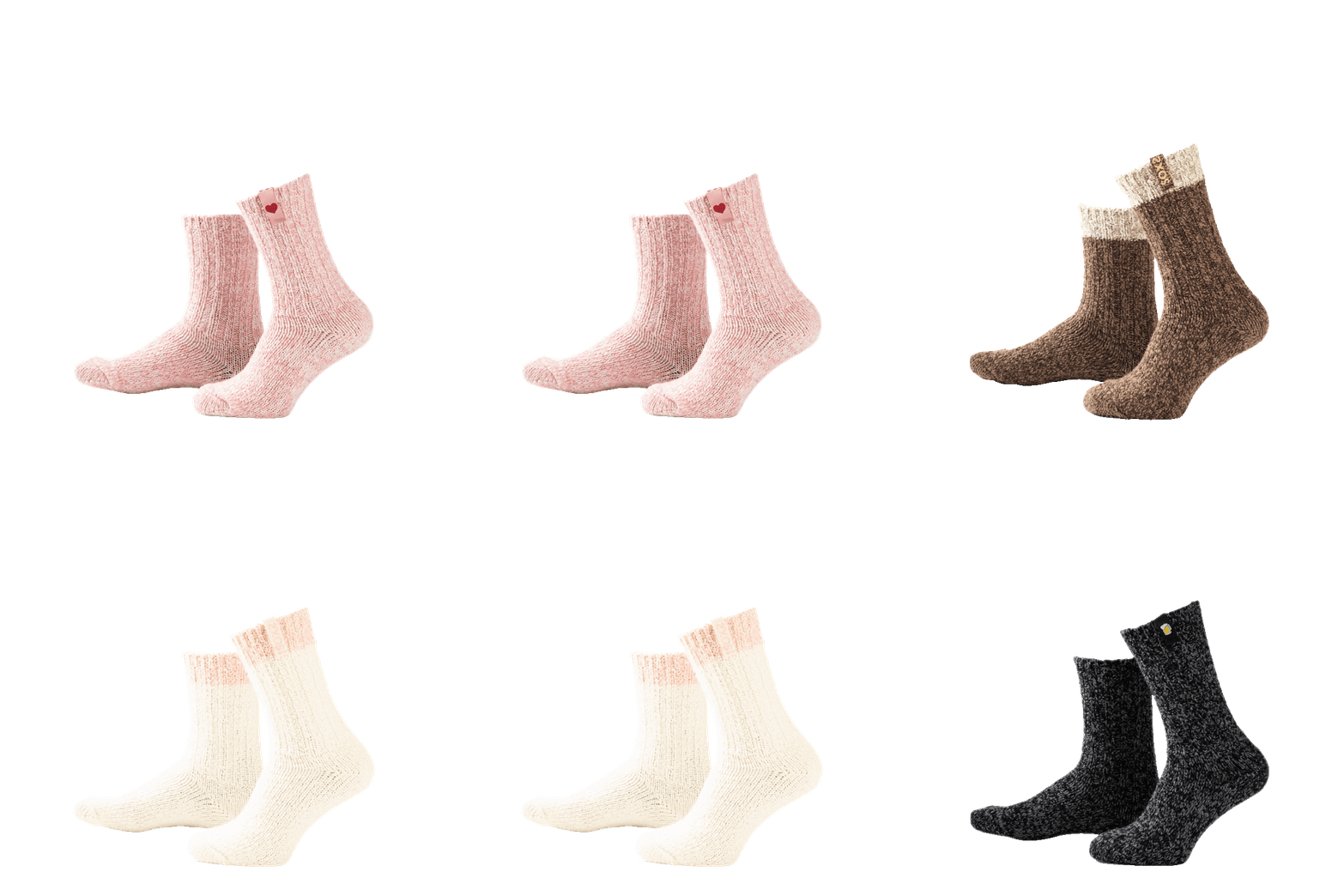
Soft warm premium wool socks
Gift ready, stylishly packaged
Orders placed before 1:00 PM will be shipped today (on weekdays) PLEASE NOTE: The delivery time of Pimp My Soxs is 5 working days!

Living with neuropathy can turn the simple act of putting on socks into a daily challenge. The tingling, numbness, and burning sensations that characterize this condition make finding the right neuropathy socks essential for comfort and mobility. Whether you’re dealing with diabetic neuropathy, peripheral neuropathy, or other nerve-related foot pain, the right footwear can make a significant difference in your day-to-day comfort.
Understanding which sock features work best for sensitive feet helps you make informed decisions that support your well-being. From material selection to fit considerations, several factors determine whether socks will provide relief or cause additional discomfort for people managing neuropathy symptoms.
Neuropathy is nerve damage that commonly affects the feet and hands, causing symptoms such as tingling, numbness, burning sensations, and sharp pain. Diabetic neuropathy is the most common form, affecting up to 50% of people with diabetes, though the condition can also result from injuries, infections, or other medical conditions.
When neuropathy affects your feet, it creates several challenges when choosing socks. Reduced sensation means you might not feel blisters, pressure points, or temperature changes that could lead to injury. Additionally, many people with neuropathy experience increased sensitivity to textures, seams, and pressure, making standard socks uncomfortable or even painful to wear.
The condition can also cause poor circulation and impaired temperature regulation in the feet. Some individuals experience cold feet due to reduced blood flow, while others may have difficulty noticing when their feet become too warm. These temperature regulation issues make material choice particularly important when selecting neuropathy socks.
The best socks for neuropathy feature seamless toe construction, non-binding tops, moisture-wicking materials, and cushioned soles. These design elements work together to minimize irritation while providing protection and comfort for sensitive feet.
Seamless toe construction eliminates the bulky seam that typically runs across the toe area in regular socks. This feature prevents pressure points and rubbing that can cause blisters or discomfort for those with reduced sensation. Look for socks with hand-linked toe seams or completely seamless designs.
Non-binding tops help support healthy circulation without creating constricting bands around your calves or ankles. The elastic should be gentle enough to stay in place without leaving marks on your skin. Cushioned soles provide additional protection and shock absorption, which becomes crucial when foot sensitivity is compromised.
Moisture management is another critical feature. Feet affected by neuropathy may have altered sweating patterns, making moisture control essential for preventing fungal infections and maintaining comfort throughout the day.
Compression socks can help some people with neuropathy by improving circulation and reducing swelling, but they’re not suitable for everyone with the condition. Gentle pressure may provide relief from certain symptoms, though individuals with severe circulation problems should consult a healthcare provider before use.
For those who benefit from compression socks for neuropathy relief, mild compression levels (8–15 mmHg) are typically recommended. This gentle pressure can help improve blood flow without further restricting circulation. Improved circulation may help reduce some types of nerve pain and prevent swelling that can worsen neuropathy symptoms.
However, compression isn’t appropriate for everyone with neuropathy. People with peripheral artery disease or severe circulation problems may find that compression worsens their symptoms. Reduced sensation also means you might not notice if compression socks are too tight, which could lead to circulation problems.
If you’re considering compression socks for neuropathy, start with the lowest compression level and monitor how your feet respond. Look for compression socks that also include other important features, such as seamless toes and moisture-wicking materials.
Natural fibers such as merino wool and bamboo work exceptionally well for neuropathy socks because they provide temperature regulation, moisture management, and natural antibacterial properties. Merino wool, in particular, offers superior comfort for sensitive feet due to its fine fiber structure and breathability.
The benefits of wool socks for neuropathy include excellent temperature regulation that helps keep feet comfortable regardless of environmental conditions. The natural crimp in wool fibers creates insulating air pockets that maintain warmth when needed while allowing excess heat to escape. This temperature stability is particularly valuable for people whose neuropathy affects their ability to regulate foot temperature.
Synthetic moisture-wicking materials can also work well, especially blends that combine synthetic fibers with natural ones. These materials excel at moving moisture away from the skin while maintaining durability through frequent washing. However, avoid cotton socks, which retain moisture and can create conditions that promote bacterial or fungal growth.
The fiber structure matters as much as the material itself. Look for socks made from fine-gauge fibers that create a smooth surface against the skin. Coarse or rough textures can irritate sensitive feet, making material quality just as important as material type.
Neuropathy socks should fit more loosely than regular socks, with extra room in the toe area and a non-restrictive fit around the ankle and calf. The goal is to eliminate pressure points while maintaining enough structure to prevent bunching or sliding inside shoes.
Proper sizing becomes crucial when reduced sensation makes it difficult to detect fit problems. Choose socks that don’t leave marks on your skin after wearing them, and ensure there’s adequate space for your toes to move freely. The sock should conform to your foot shape without creating tight spots or loose areas that could bunch up.
Pay special attention to the heel and arch areas, where proper fit helps prevent sliding that could cause blisters. The sock should follow your foot’s natural contours without creating tension across any area. Some people with neuropathy benefit from socks with light arch support that provides gentle structure without compression.
Consider trying socks on at the end of the day, when your feet may be slightly swollen, as this gives you a better sense of how they’ll fit during daily wear. The right fit should feel barely noticeable while providing protection and comfort throughout your daily activities.
We understand that managing neuropathy requires thoughtful attention to every detail of your daily comfort. SOXS wool socks are crafted from ethically sourced New Zealand merino wool that naturally provides the temperature regulation and moisture management essential for sensitive feet.
Our commitment to comfort includes several features that support neuropathy needs:
Experience the difference thoughtfully designed wool socks can make in your daily comfort. Explore our collection of premium merino wool socks and discover how natural materials can support your journey toward better foot health and everyday well-being.