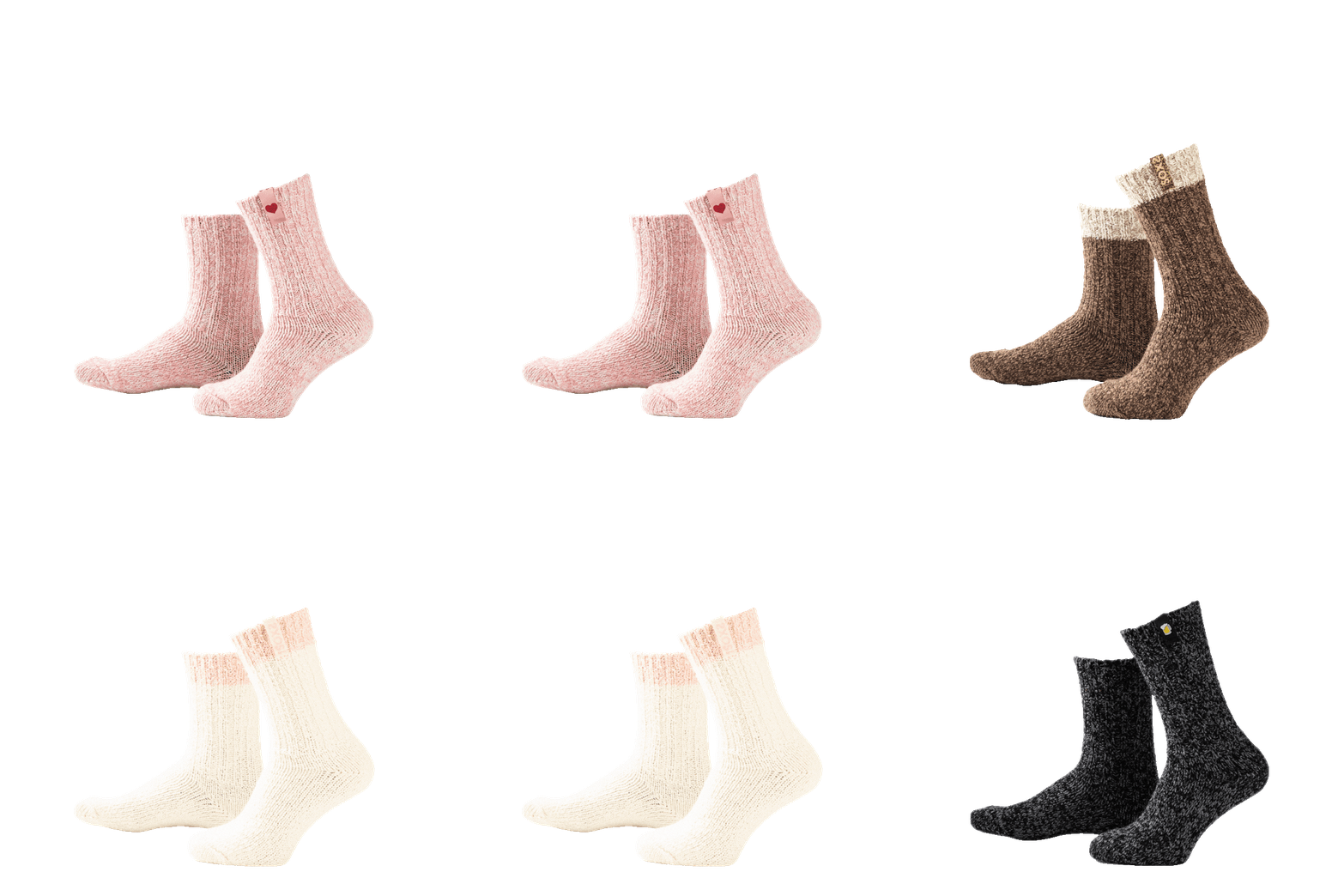
Soft warm premium wool socks
Gift ready, stylishly packaged
Orders placed before 1:00 PM will be shipped today (on weekdays) PLEASE NOTE: The delivery time of Pimp My Soxs is 5 working days!

When you’re pushing your limits during training or competition, your feet work harder than any other part of your body. They endure impact, friction, and moisture while supporting your overall athletic performance. The right athletic socks can mean the difference between a personal best and painful blisters that sideline your goals.
Athletic socks have evolved far beyond basic cotton tubes. Today’s performance socks incorporate advanced materials, targeted compression, and sport-specific features designed to enhance comfort, prevent injury, and optimize your athletic potential. Whether you’re a weekend warrior or a professional athlete, understanding what makes athletic socks different can transform your training experience.
Athletic socks are engineered with specialized materials, construction techniques, and features that regular socks lack. They prioritize moisture management, blister prevention, cushioning in high-impact zones, and durability to withstand intense physical activity.
The most significant difference lies in moisture-wicking technology. While regular cotton socks absorb sweat and hold it against your skin, athletic socks use synthetic fibers or merino wool to pull moisture away from your feet and allow it to evaporate quickly. This keeps your feet dry and reduces the friction that causes blisters.
Athletic socks also feature strategic cushioning placed specifically where your sport demands it most. Running socks might have extra padding in the heel and forefoot, while hiking socks focus on cushioning around the ankle and Achilles tendon. Regular socks typically offer uniform thickness throughout.
The construction differs significantly, too. Athletic socks often use seamless toe construction to eliminate pressure points, reinforced heel and toe areas for durability, and compression zones that support your feet during movement. These technical features simply don’t exist in everyday socks designed for casual wear.
Merino wool and synthetic blends offer the best athletic performance. Merino wool provides superior temperature regulation and odor resistance, while synthetic materials excel in durability and quick-drying properties.
Merino wool stands out as the premium choice for athletic socks. Unlike regular wool, merino fibers are incredibly fine and soft, making them comfortable against the skin. The natural crimp in wool fibers creates air pockets that insulate when you’re cold and allow airflow when you’re warm. Merino wool can absorb up to 30% of its weight in moisture while still feeling dry to the touch.
Synthetic materials like polyester, nylon, and polypropylene offer excellent moisture-wicking capabilities and dry faster than natural fibers. These materials are often blended with elastane or spandex for stretch and recovery, ensuring your socks maintain their shape after repeated washing and wear.
Avoid cotton for athletic activities. Cotton absorbs moisture but doesn’t release it effectively, creating a damp environment that promotes blisters and bacterial growth. When cotton gets wet, it loses its insulating properties and can actually make your feet colder during outdoor activities.
Bamboo fiber has gained popularity as an eco-friendly option that naturally resists odor and feels silky soft. However, bamboo socks may not be as durable as wool or synthetic options for high-intensity sports.
Compression socks improve blood circulation, reduce muscle vibration during activity, and may help decrease recovery time by promoting better oxygen delivery to working muscles and faster removal of metabolic waste.
Graduated compression in athletic socks applies the most pressure at the ankle and gradually decreases up the leg. This design helps push blood back toward your heart, counteracting gravity and the pooling effect that can occur during long periods of activity or standing.
During exercise, compression socks reduce the micro-vibrations in your calf muscles that occur with each foot strike. This reduction in muscle oscillation can decrease fatigue and may help prevent delayed-onset muscle soreness. Many endurance athletes report feeling less leg fatigue when wearing compression socks during long training sessions.
Improved circulation can also help regulate temperature in your feet and lower legs. Better blood flow means more efficient heat distribution, which can prevent hot spots that lead to blisters. Some athletes find that compression socks help them maintain consistent performance throughout longer workouts or competitions.
Recovery benefits may be the most significant advantage. Wearing compression socks after intense training can help reduce swelling and speed the removal of lactic acid and other metabolic byproducts that contribute to muscle soreness.
Athletes should prioritize moisture-wicking materials, cushioning in sport-specific zones, seamless toe construction, a proper fit without bunching, and reinforcement in high-wear areas like the heel and toe.
Moisture management tops the list of important features. Look for socks that specifically mention moisture-wicking or quick-dry properties. The best athletic socks will keep your feet dry even during intense sweating, which prevents blisters and maintains comfort throughout your activity.
Cushioning should match your sport’s demands. Runners need heel and forefoot padding, while tennis players benefit from lateral-support cushioning. Some socks offer targeted cushioning only where you need it, keeping other areas thin for better shoe fit and ground feel.
Seamless toe construction eliminates the thick seam found in regular socks that can create pressure points and hot spots. This feature becomes increasingly important during longer activities, where small irritations can develop into painful problems.
Proper fit means the sock conforms to your foot shape without excess material that can bunch up inside your shoe. Look for socks with arch-support bands that hug your foot’s natural contours. The heel should sit properly in the heel cup, and the toe area should have enough room without being loose.
Reinforcement in high-wear areas extends sock life and maintains performance. Quality athletic socks feature extra material or different weave patterns in the heel and toe areas, where friction and wear are highest.
Different sports require specific sock features: running socks need heel and forefoot cushioning; hiking socks require ankle protection and moisture management; and court sports benefit from lateral support and stability during quick direction changes.
Running socks should prioritize lightweight construction with targeted cushioning in the heel-strike and push-off areas. Look for thin, moisture-wicking materials that won’t add bulk to your running shoes. Many runners prefer low-cut or no-show styles that won’t interfere with their shoe’s ankle collar.
Hiking and outdoor activities demand thicker socks with more comprehensive cushioning. These socks need extra padding around the ankle and Achilles tendon area, where hiking boots typically create pressure points. Merino wool excels here because of its temperature regulation and odor resistance during multi-day adventures.
Court sports like tennis and basketball require socks with lateral-support features and cushioning that protects during quick directional changes. These socks often have reinforced areas on the sides and additional padding in the forefoot, where pivoting movements create stress.
Cycling socks are typically thin and lightweight to fit properly in tight cycling shoes. They focus on moisture management rather than cushioning, since cyclists don’t experience the same impact forces as runners or court-sport athletes.
Winter sports need insulating properties above all else. Wool-based socks that maintain warmth even when damp are essential for skiing, snowboarding, and other cold-weather activities.
Wash athletic socks in cold water with mild detergent, avoid fabric softener (which can reduce moisture-wicking properties), air-dry when possible, and rotate multiple pairs to extend their lifespan and maintain performance features.
Cold-water washing preserves the elastic fibers that give athletic socks their shape and compression properties. Hot water can break down synthetic materials and cause wool to shrink or felt. Use a gentle cycle to minimize the mechanical stress that can damage technical fibers.
Skip fabric softener completely. While it makes regular clothes feel softer, fabric softener coats technical fibers and reduces their ability to wick moisture effectively. The coating can also trap odors and bacteria, undermining the antimicrobial properties of materials like merino wool.
Air-drying preserves sock performance better than machine drying. High heat can damage elastic fibers, cause shrinkage, and break down the technical properties that make athletic socks worth their higher price. If you must use a dryer, use the lowest heat setting.
Rotating between multiple pairs allows each pair to fully dry and recover between uses. This practice significantly extends sock life and maintains performance characteristics. Most serious athletes own at least three to four pairs of their preferred athletic socks.
Turn socks inside out before washing to better clean the areas that contact your skin directly. This simple step helps remove oils, dead skin cells, and bacteria that can build up and cause odors or skin irritation.
When you invest in quality athletic socks, you’re investing in your performance and comfort. At SOXS, we understand that every step matters, which is why our wool athletic socks combine the natural benefits of ethically sourced merino wool with thoughtful design features that support your athletic goals. The right socks become an extension of your determination, keeping you comfortable and focused on what matters most—achieving your personal best.