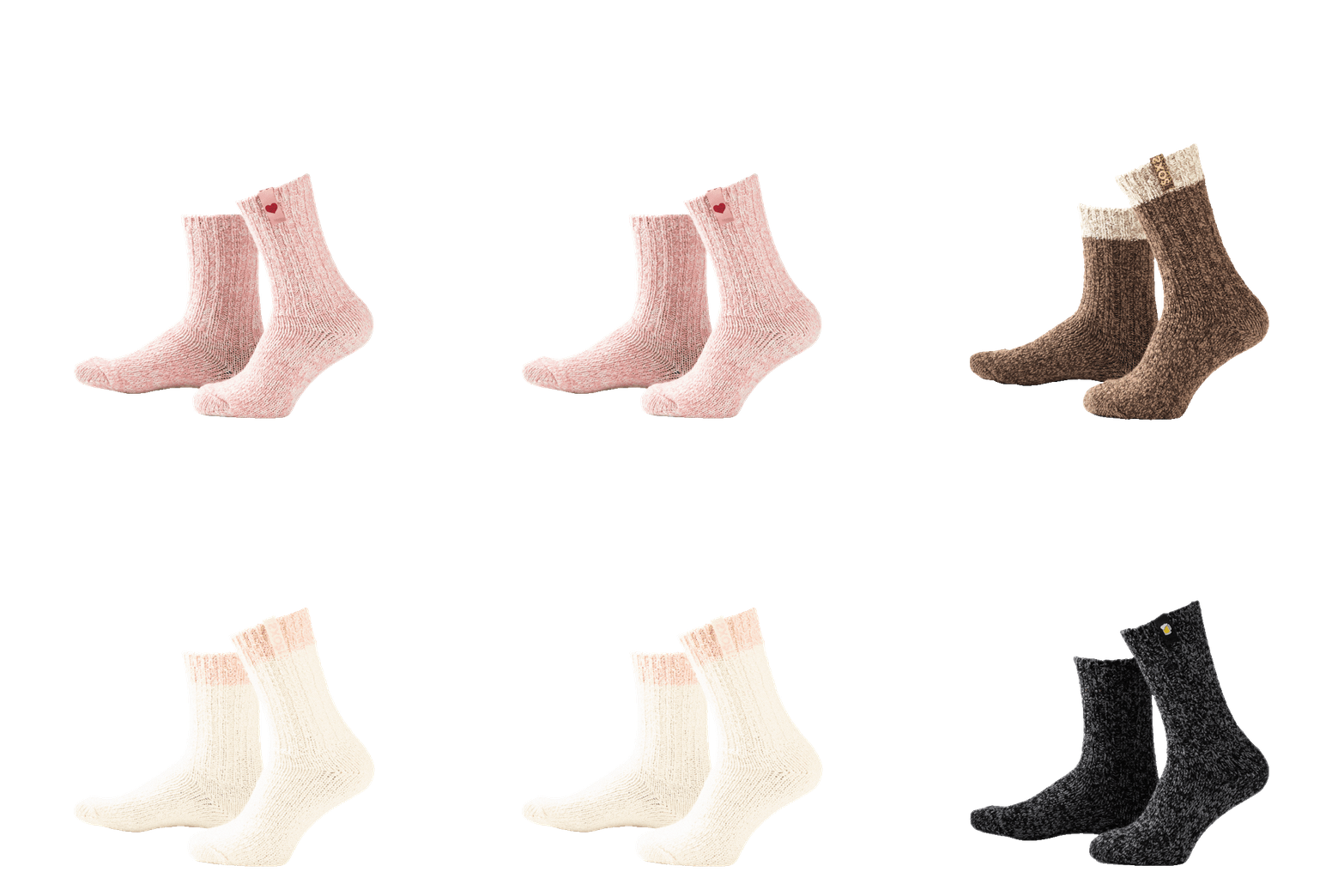
Soft warm premium wool socks
Gift ready, stylishly packaged
Orders placed before 1:00 PM will be shipped today (on weekdays) PLEASE NOTE: The delivery time of Pimp My Soxs is 5 working days!

Chronically cold feet can be more than just an uncomfortable annoyance. While occasionally chilly toes are normal, persistently cold feet may signal underlying medical conditions that affect circulation, nerve function, or metabolism. Understanding these conditions helps you determine when cold feet warrant medical attention and what steps you can take to improve comfort.
From circulation disorders to hormonal imbalances, several medical conditions can leave your feet feeling perpetually cold. Recognizing the signs and symptoms associated with these conditions empowers you to seek appropriate treatment and find effective ways to keep your feet warm and comfortable.
Several medical conditions frequently cause chronically cold feet, including peripheral artery disease, diabetes, hypothyroidism, Raynaud’s disease, and anemia. These conditions affect blood flow, nerve function, or metabolism, leading to reduced warmth in the extremities.
Peripheral artery disease ranks among the most common culprits, restricting blood flow to the feet and legs. Diabetes can damage nerves and blood vessels over time, while hypothyroidism slows metabolism and reduces overall body heat production. Raynaud’s disease causes blood vessels to constrict excessively in response to cold or stress, and anemia reduces the blood’s oxygen-carrying capacity, affecting circulation throughout the body.
Other conditions that may contribute to cold feet include autoimmune disorders such as lupus or rheumatoid arthritis, certain medications that affect circulation, and nerve damage from various causes. Heart conditions that reduce pumping efficiency can also lead to poor circulation in the extremities.
Poor circulation causes cold feet by reducing the flow of warm blood to the extremities. When blood vessels are narrowed, blocked, or damaged, less oxygen-rich blood reaches the feet, resulting in decreased temperature and potential numbness or tingling sensations.
The circulatory system works like a heating network for your body. Your heart pumps warm, oxygenated blood through arteries to all parts of the body, including your feet. When circulation problems occur, this warm blood supply becomes restricted. The feet, being the farthest from the heart, are often the first to experience temperature changes when circulation is compromised.
Several factors can impair circulation, including atherosclerosis, in which plaque builds up in arteries, blood clots that block vessels, or conditions that cause blood vessels to spasm or constrict. Smoking, a sedentary lifestyle, and certain medical conditions can worsen circulation problems, making cold feet more persistent and uncomfortable.
Raynaud’s disease differs from other circulation problems because it causes temporary, episodic blood vessel spasms triggered by cold or stress, rather than permanent vessel damage or blockage. During episodes, fingers and toes may turn white, then blue, then red as blood flow returns.
Unlike peripheral artery disease, which involves physical narrowing or blockage of blood vessels, Raynaud’s disease involves functional problems in which otherwise healthy blood vessels temporarily overreact to triggers. The condition typically affects both hands and feet symmetrically, and episodes usually last minutes to hours before normal circulation returns.
Other circulation problems, such as atherosclerosis or diabetes-related vascular damage, cause more consistent symptoms because they involve structural changes to blood vessels. These conditions typically worsen gradually over time, while Raynaud’s episodes come and go unpredictably. Primary Raynaud’s occurs without an underlying disease, while secondary Raynaud’s accompanies autoimmune conditions such as scleroderma or lupus.
Diabetes affects foot temperature through nerve damage and blood vessel complications that reduce sensation and circulation. High blood sugar levels over time damage both peripheral nerves and small blood vessels, leading to diabetic neuropathy and reduced blood flow to the feet.
Diabetic neuropathy can cause a loss of sensation, making it difficult to detect temperature changes in your feet. Additionally, diabetes accelerates atherosclerosis, causing blood vessels to narrow and reducing warm blood flow to the extremities. This combination creates a dangerous situation in which feet may be cold and injured without the person realizing it.
Thyroid problems, particularly hypothyroidism, affect foot temperature by slowing metabolism and reducing overall heat production. An underactive thyroid produces insufficient hormones to maintain a normal metabolic rate, leading to decreased body temperature and cold sensitivity throughout the body, including the feet. People with hypothyroidism often experience cold intolerance, fatigue, and a slower heart rate, all of which contribute to reduced circulation and cold extremities.
You should see a doctor about chronically cold feet if they persist despite warming measures, are accompanied by pain, numbness, or color changes, or if you have risk factors for circulation problems such as diabetes, heart disease, or a history of smoking.
Seek immediate medical attention if your feet turn blue or white, become extremely painful, or if you notice sores or wounds that won’t heal. These symptoms may indicate serious circulation problems requiring urgent treatment. Additionally, if cold feet interfere with daily activities, sleep, or quality of life, a medical evaluation can help identify underlying causes and treatment options.
Consider scheduling a medical appointment if you experience other symptoms alongside cold feet, such as fatigue, weight changes, hair loss, or slow-healing wounds. These combinations may suggest systemic conditions such as thyroid disorders, diabetes, or autoimmune diseases that benefit from early diagnosis and treatment.
To keep feet warm with medical conditions, focus on improving circulation through gentle exercise, wearing appropriate footwear, maintaining proper foot hygiene, and using warming techniques such as warm baths or heating pads on low settings. Always consult your healthcare provider before starting new treatments.
Regular, gentle exercise helps promote blood flow to the feet. Walking, swimming, or simple foot exercises can improve circulation without overexerting yourself. Avoid smoking, which constricts blood vessels and worsens circulation problems. Keep your feet dry and clean, and inspect them daily for any signs of injury or infection, especially if you have diabetes or reduced sensation.
Layer socks made from moisture-wicking materials, and choose shoes that fit properly without being too tight. Avoid direct heat sources such as heating pads on high settings or hot water bottles, which can cause burns if you have reduced sensation. Instead, opt for gradual warming methods and high-quality wool socks that provide insulation while allowing breathability.
When medical conditions leave your feet persistently cold, SOXS wool socks provide the gentle warmth and comfort you need. Our ethically sourced New Zealand wool naturally regulates temperature while allowing your skin to breathe, creating the perfect environment for sensitive feet.
SOXS offers specific benefits for those managing cold feet:
Experience the difference that premium wool socks can make in managing chronically cold feet. Browse our collection of comfortable, sustainably made socks designed to provide the warmth and care your feet deserve, while supporting your overall foot health and comfort.