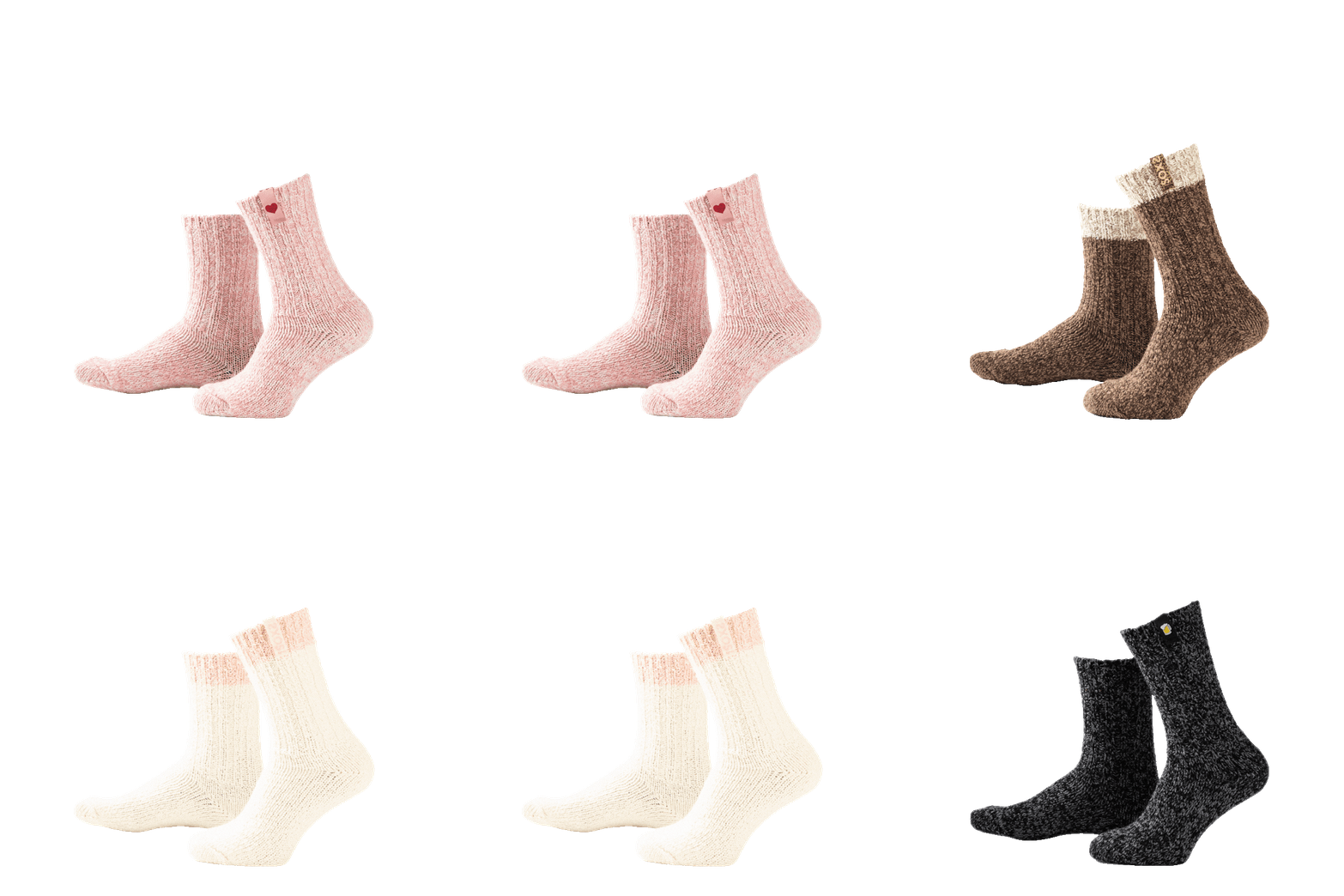
Soft warm premium wool socks
Gift ready, stylishly packaged
Orders placed before 1:00 PM will be shipped today (on weekdays) PLEASE NOTE: The delivery time of Pimp My Soxs is 5 working days!

Living with neuropathy can make finding the right socks feel like an impossible task. Your feet deserve comfort and protection, especially when you’re dealing with reduced sensation, pain, or circulation issues. The material your socks are made from plays a crucial role in managing these challenges and keeping your feet healthy throughout the day.
Choosing neuropathy socks isn’t just about grabbing any pair from the drawer. The right materials can make the difference between a comfortable day and one filled with discomfort, moisture buildup, or even skin irritation that you might not immediately notice.
Neuropathy socks are specially designed socks that provide enhanced comfort, protection, and circulation support for people experiencing nerve damage in their feet. Unlike regular socks, they use specific materials and construction methods that address the unique challenges of reduced sensation, poor circulation, and increased vulnerability to injury.
Material choice becomes critical because people with neuropathy often cannot feel when their feet become too hot, too cold, or too moist. This reduced sensation means that materials that trap moisture or create friction can lead to serious complications, such as blisters, sores, or infections, that go unnoticed. Quality materials help regulate temperature, wick away moisture, and provide a protective barrier while remaining gentle on sensitive skin.
Additionally, many people with neuropathy also deal with swelling or circulation issues. The right sock materials can accommodate these fluctuations while maintaining a proper fit and support throughout the day. Materials that stretch appropriately and return to their original shape help ensure consistent comfort without creating pressure points.
Merino wool stands out as one of the best materials for neuropathy socks due to its natural moisture-wicking properties, temperature regulation, and antibacterial qualities. Bamboo fiber and moisture-wicking synthetic blends also offer excellent comfort and protection for sensitive feet.
Merino wool excels because it naturally draws moisture away from the skin while remaining soft and non-irritating. This fine wool fiber adjusts to temperature changes, keeping feet warm when it’s cold and cool when it’s warm. Its natural antimicrobial properties help prevent odor and bacterial growth, which is especially important when sensation is reduced.
Bamboo socks provide similar moisture-wicking benefits with an incredibly soft texture that feels gentle on sensitive skin. Bamboo fiber is naturally hypoallergenic and has antimicrobial properties, making it an excellent choice for people prone to skin sensitivities or infections.
High-quality synthetic blends, particularly those designed for athletic or medical use, can also work well. Look for materials like Coolmax or similar moisture-wicking synthetics that pull sweat away from the skin and dry quickly. These materials often provide excellent durability and maintain their shape wash after wash.
Wool socks, particularly merino wool, outperform cotton and most synthetic materials for diabetic neuropathy because they actively manage moisture, regulate temperature, and provide natural antimicrobial protection. Cotton retains moisture against the skin, while basic synthetics can trap heat and create uncomfortable conditions.
Cotton, while soft and breathable when dry, becomes problematic once it absorbs moisture. It holds that moisture against your skin, creating an environment where bacteria and fungi can thrive. For people with diabetic neuropathy who may not notice moisture buildup, this can lead to serious complications.
Standard synthetic materials like polyester or nylon can trap heat and don’t breathe as well as natural fibers. However, advanced synthetic blends designed specifically for moisture management can rival wool’s performance, though they typically lack wool’s natural antimicrobial properties.
Wool’s unique structure allows it to absorb up to 30% of its weight in moisture while still feeling dry to the touch. This means your feet stay comfortable even during temperature fluctuations or increased activity. The fiber’s natural crimp also creates tiny air pockets that provide cushioning and insulation without bulk.
Beyond material, look for seamless toe construction, non-binding tops, cushioned soles, and appropriate compression levels. These features work together with quality materials to provide comprehensive foot protection and comfort for people with neuropathy.
Seamless toe construction eliminates pressure points and friction that can cause blisters or sores. Since people with neuropathy may not feel these developing, preventing them entirely becomes crucial. Look for socks with hand-linked toes or seamless knitting technology.
Non-binding tops prevent circulation restriction while still staying up properly. The sock should stay in place without creating tight bands around your calf or ankle that could impede blood flow. Graduated compression can be beneficial, but it should be medical-grade and appropriate for your specific needs.
Cushioned soles provide extra protection and shock absorption, particularly important when foot sensation is reduced. However, avoid excessive padding that might make shoes fit poorly or create pressure points. The cushioning should be strategic, focusing on high-impact areas like the heel and forefoot.
Choose neuropathy socks based on your activity level, the severity of your symptoms, and any additional conditions like diabetes or circulation issues. Start with high-quality merino wool or bamboo options, ensure proper sizing, and consider consulting your healthcare provider for specific recommendations.
Consider your daily activities when selecting materials. If you’re more sedentary, focus on comfort and moisture management. For active lifestyles, prioritize materials that handle increased moisture and temperature fluctuations. People who experience significant swelling may need materials with more stretch and recovery.
Proper sizing becomes even more critical with neuropathy. SOXS that are too tight can restrict circulation, while loose socks can bunch up and create pressure points. Many specialty sock companies offer detailed sizing guides that account for swelling and changes in foot shape.
Pay attention to care instructions as well. Quality materials maintain their beneficial properties longer when properly cared for. Merino wool and bamboo typically require gentler washing but reward you with longer-lasting performance and comfort.
At SOXS, we understand that your feet deserve the finest care, especially when you’re dealing with neuropathy. Our premium merino wool socks offer an ideal solution, made with ethically sourced New Zealand wool that naturally wicks moisture, regulates temperature, and provides antimicrobial protection for sensitive feet.
Our socks feature:
Experience the difference premium materials can make in your daily comfort. Explore our collection of luxurious wool socks designed to provide the warmth, protection, and care your feet deserve.