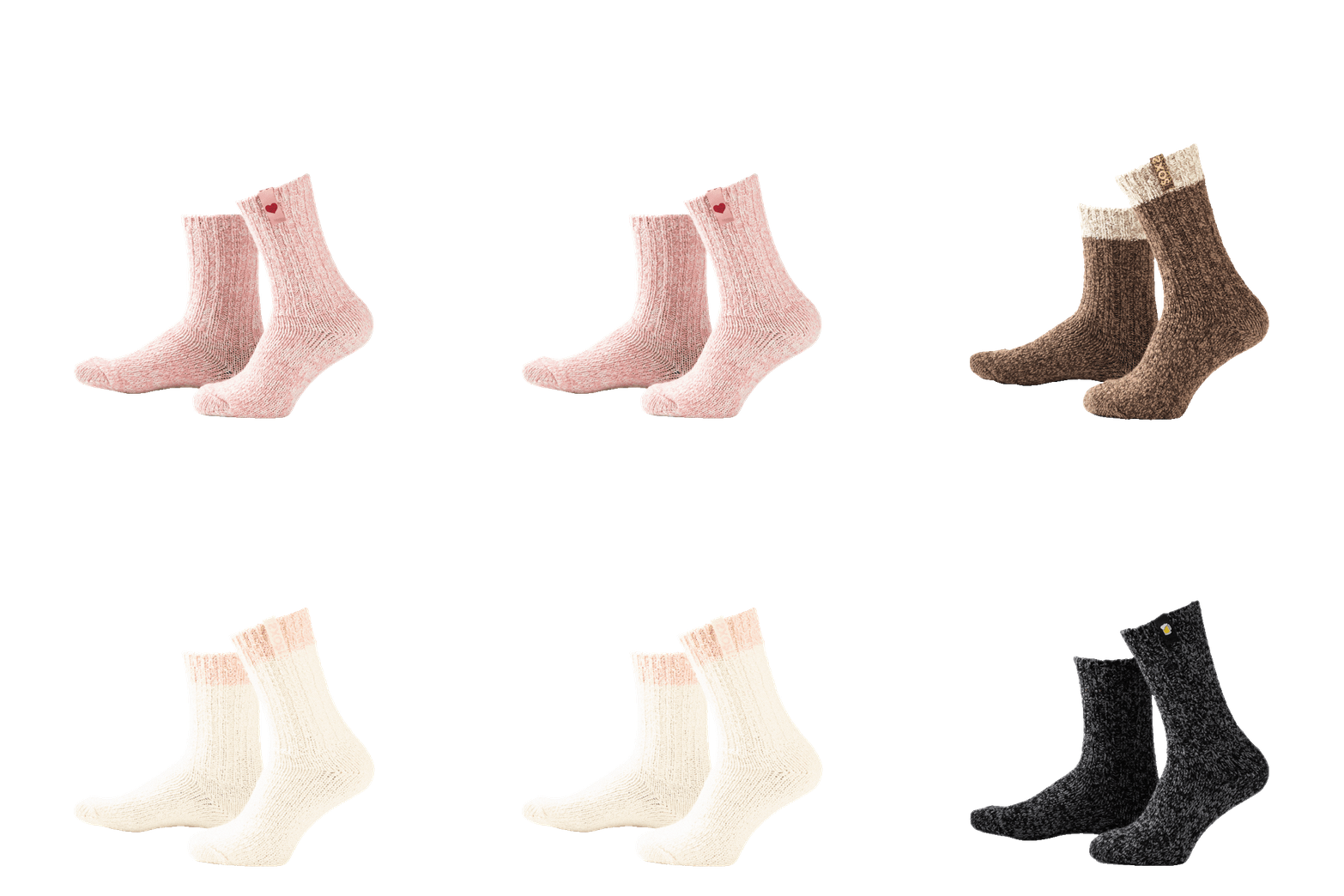

Soft warm premium wool socks
Gift ready, stylishly packaged
Orders placed before 1:00 PM will be shipped today (on weekdays) PLEASE NOTE: The delivery time of Pimp My Soxs is 5 working days!

There are definitely times when sleeping without socks is the better choice. If you tend to overheat at night, have certain foot conditions, or are sleeping in a warm room during summer, going sockless can actually help you sleep more comfortably. The right answer depends on your body, your environment, and the type of socks you reach for. Below, we unpack the most common questions around socks in bed so you can make the choice that works for you.
Yes, sleeping without socks is genuinely better for some people in some situations. If you naturally sleep hot, share a bed with someone who keeps the duvet heavy, or live in a warmer climate, wearing socks to bed can tip your body temperature past the point of comfort and make it harder to fall asleep. Sockless nights give your feet the freedom to release heat naturally.
Your body regulates sleep through a process of core temperature drop. As you drift off, heat moves from your core toward your extremities and is released through your skin. For most people, warm feet support this process. But if your feet are already warm or your room is heated, adding a layer of fabric can slow that release and leave you restless. Sleeping with socks on is not a universal rule, and for hot sleepers it can do more harm than good.
There is also a comfort and preference element that should not be overlooked. If socks feel restrictive, slide off during the night, or simply distract you, the disruption to your sleep is not worth the warmth. The best sleep environment is one where you feel relaxed and at ease, and for some people that simply means bare feet.
Wearing socks in bed can cause overheating if the socks are too thick, made from synthetic materials, or worn in an already warm room. Socks that trap heat without allowing moisture to escape create a warm, damp environment around your feet, which can raise your overall body temperature and disrupt the natural cooling process your body needs to settle into deep sleep.
The material of your socks matters enormously here. Synthetic fibres like polyester or acrylic hold heat and moisture against the skin, which can make your feet feel clammy and warm throughout the night. Natural fibres, particularly wool, are breathable and moisture-wicking, which means they help regulate temperature rather than simply adding warmth. A well-chosen pair of wool socks can keep your feet comfortable without pushing your body into overheating territory.
Room temperature plays a role too. If your bedroom is already warm, any extra insulation around your feet may be too much. In those cases, it is better to skip the socks entirely and let your feet breathe freely. Overheating during sleep is linked to more frequent waking and lighter sleep overall, so it is worth paying attention to how your feet feel when you wake up.
Whether you should wear socks in bed with a foot condition depends on the specific condition and what your healthcare provider recommends. For some people, a soft and breathable sock can add a layer of comfort and protection during the night. For others, particularly those dealing with conditions that affect circulation or cause swelling, socks with tight elastic bands can be uncomfortable and may not be suitable for overnight wear.
If you have sensitive skin, dry heels, or simply find that bare feet feel uncomfortable against bedding, a lightweight and gentle sock in a natural fibre can feel soothing. The key is choosing a sock that fits well without gripping the ankle too tightly. Look for options with a relaxed cuff that does not leave marks on the skin after a night of wear.
For any specific foot condition, always follow the guidance of a medical professional. The information here is focused on comfort and sleep quality, not medical advice. What we can say is that if socks are right for you, the material and fit matter just as much as whether you wear them at all.
Yes, the season and your room temperature are two of the most practical factors in deciding whether to wear socks in bed. In winter, when rooms are colder and bedding takes longer to warm up, socks can help you fall asleep faster by warming your feet quickly. In summer or in a heated room, socks can become an unnecessary layer that interferes with your body’s natural cooling.
Cold feet in winter are one of the most common reasons people struggle to fall asleep. When your feet are cold, the blood vessels near the surface constrict, which slows the heat exchange your body uses to transition into sleep. A warm pair of socks helps open those vessels and supports the process. During colder months, sleeping with socks on is often genuinely helpful, especially in rooms without central heating or with stone or wooden floors that make the air feel cooler.
In summer, the equation reverses. Warmer ambient temperatures mean your body has less cooling work to do, and adding socks can push your feet into uncomfortable warmth. If you do want to wear socks in summer, choose something very lightweight and made from a breathable natural fibre. Otherwise, letting your feet stay uncovered is usually the more comfortable option during warmer months.
Socks made from natural fibres, particularly wool, are the least likely to disrupt sleep. Wool is naturally breathable and moisture-wicking, which means it adapts to your body temperature rather than simply trapping heat. A well-fitting sock with a relaxed cuff and no tight elastic will stay comfortable throughout the night without cutting off circulation or slipping off before morning.
Synthetic socks are more likely to cause overheating and moisture build-up, both of which can disturb sleep. Cotton is breathable but absorbs moisture without releasing it efficiently, which can leave your feet feeling damp. Wool sits in a category of its own because it regulates temperature in both directions, keeping feet warm when it is cold and cool when it is warm.
At SOXS, we make our socks from ethically sourced wool using wool from happy sheep raised in New Zealand. The natural properties of this wool make our socks a genuinely comfortable choice for bedtime, especially during the colder months. You can explore our latest collection to find a style that suits your sleep routine. Beyond material, fit is equally important. A sock that bunches at the toe, pulls at the heel, or grips the ankle will pull your attention away from sleep. Look for a smooth, even fit that you barely notice once you are settled in.
If you want your socks to last longer and stay soft wash after wash, it also helps to care for them properly. Our care guide walks you through the best ways to look after wool socks so they stay as comfortable on your hundredth wear as they were on your first.