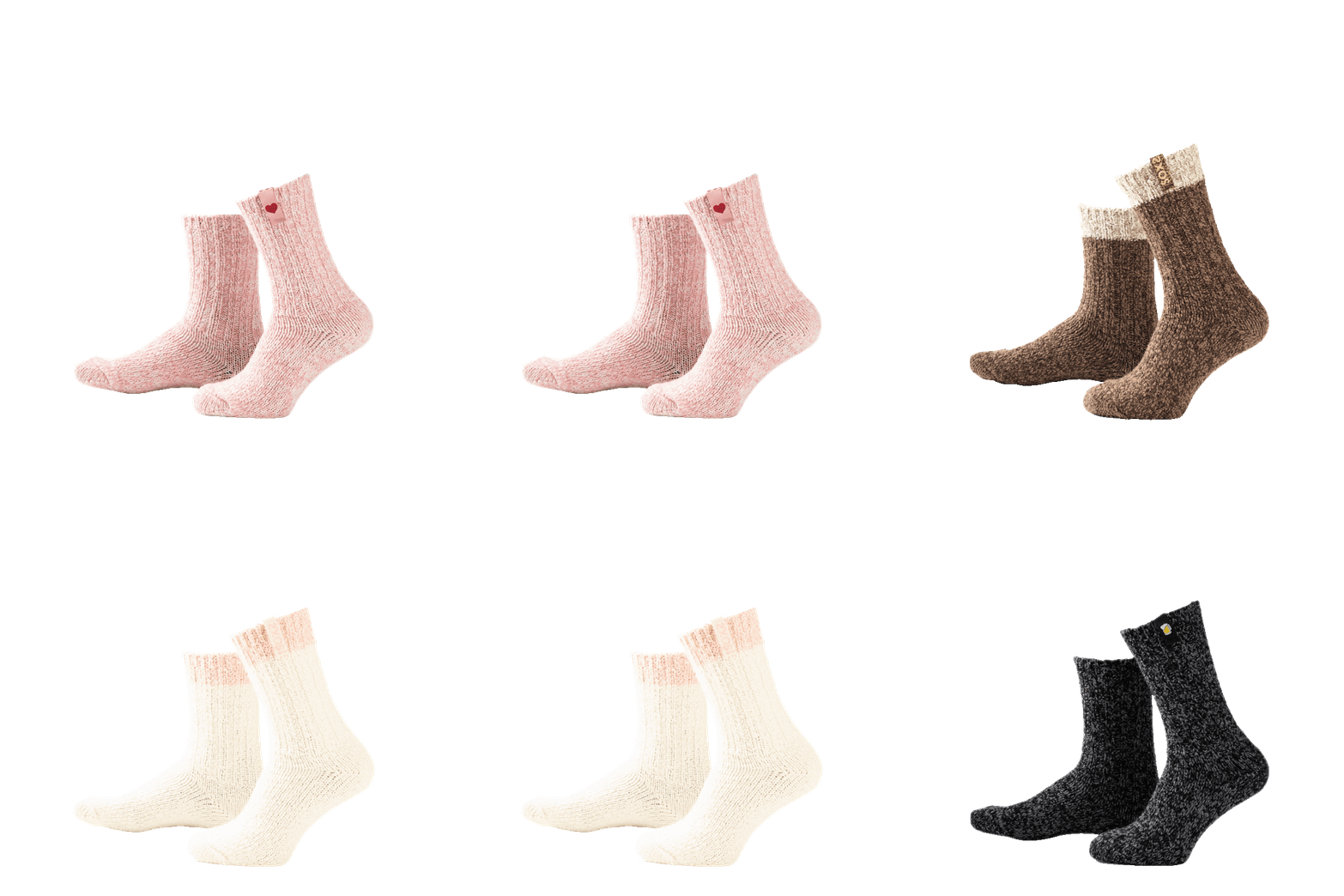

Soft warm premium wool socks
Gift ready, stylishly packaged
Orders placed before 1:00 PM will be shipped today (on weekdays) PLEASE NOTE: The delivery time of Pimp My Soxs is 5 working days!

The most comfortable socks for a cold tiled floor are thick wool socks, ideally with a grip sole. Wool naturally insulates even when you are standing still on a hard surface, trapping warmth between the fibres and keeping your feet cosy without feeling heavy or bulky. The sections below unpack exactly what to look for, from material and thickness to grip and long-term care.
A sock keeps your feet warm on hard floors by creating an insulating layer between your skin and the cold surface beneath you. The key factors are fibre type, thickness, and how well the sock fits. A loose, thin sock made from synthetic fibres will transfer cold quickly, while a well-fitting, naturally insulating sock holds warmth close to your foot. For socks on cold tiled floors, the material matters more than almost anything else.
Hard floors like tile, stone, or concrete conduct heat away from your body rapidly. Unlike carpet, they offer no natural insulation of their own, which means your socks have to do all the work. The best warm socks for tiled floors achieve this through natural fibres with high crimp, meaning the fibres have a natural curl that traps tiny pockets of warm air. This is why a well-made wool sock feels warmer than a cotton or synthetic one of the same thickness.
Fit also plays a quiet but important role. A sock that is too loose will bunch and compress, reducing the air pockets that provide insulation. A sock that fits snugly without being tight keeps the insulating layer intact and lets you move around comfortably, whether you are padding through the kitchen in the morning or settling in for a slow afternoon at home.
Yes, wool socks are significantly better than cotton socks for cold floors. Wool retains its insulating properties even when it absorbs moisture, whereas cotton becomes cold and clammy the moment it gets damp. On a cold tiled floor, where your feet may perspire slightly from warmth, this difference becomes very noticeable very quickly. Wool keeps you warm; cotton lets the cold creep back in.
The science behind this comes down to the structure of the fibre itself. Wool fibres are naturally crimped and hollow, which means they trap air and regulate temperature in a way cotton simply cannot match. Cotton fibres are flat and straight, which makes them breathable in warm conditions but poor insulators when the temperature drops. On cold hard floors, that distinction matters every time you step out of bed.
At SOXS, we make our socks from ethically obtained wool sourced from New Zealand sheep. This high-quality wool is naturally soft, breathable, and exceptionally warm, making it ideal for anyone who wants cosy everyday warmth at home. The natural breathability of wool also means your feet stay comfortable for hours rather than overheating, which is a common issue with thick synthetic socks.
A medium-to-thick sock is the best choice for tiled floors. You want enough cushioning to buffer the hardness of the surface and enough insulation to block the cold rising from below, but not so much bulk that walking becomes awkward. For most people, a sock with a medium-weight or chunky knit strikes the right balance between warmth, comfort, and wearability around the house.
Medium-weight wool socks are a versatile choice for cold floors. They provide genuine warmth without making your feet feel heavy, and they fit easily into most indoor footwear if you want to slip on a pair of slippers over them. They are also a practical pick for anyone who moves between indoors and outdoors during the day, since they work well in boots and shoes too.
Thick-knit or chunky wool socks offer maximum insulation and cushioning, which is ideal if your home has stone or marble floors that stay particularly cold. The extra padding also makes standing for longer periods, such as cooking or working at a standing desk, noticeably more comfortable. The trade-off is that very thick socks may feel snug in certain shoes, so they are best reserved for indoor use barefoot or with roomy footwear.
Yes, grip soles make socks considerably more comfortable and safer on tiled floors. Tile is a smooth, often slightly slippery surface, and a sock without any grip can cause you to slide with each step. Non-slip grip dots or rubberised soles on the bottom of a sock give you traction, so you can walk, turn, and move around naturally without having to shuffle cautiously or tense up with each step.
Beyond the practical safety benefit, grip soles also change how the sock feels to wear. When you can walk with confidence and a natural stride, your whole body relaxes. That ease of movement contributes directly to how comfortable the sock feels overall, even if the grip itself is a small detail. It is one of those features that you notice most when it is missing.
For households with children or older family members, grip soles on warm socks are particularly worth prioritising. Cold tiled floors in hallways, kitchens, and bathrooms are among the most common places where slipping happens at home. A well-made wool sock with a non-slip sole addresses both the cold and the surface in one simple step.
To keep warm wool socks comfortable long term, wash them gently at a low temperature, ideally 30 degrees or below, using a mild detergent designed for wool or delicate fabrics. Avoid tumble drying, as high heat causes wool fibres to shrink and felt, which reduces softness and changes the fit permanently. Lay them flat to dry in their natural shape for the best results.
Wool is a resilient fibre when treated with care. It does not need to be washed after every single wear, since wool naturally resists odour and regulates moisture. Airing your socks out between wears extends their freshness and reduces unnecessary washing, which is both gentler on the fibres and better for the environment. This makes wool socks a genuinely sustainable choice over time.
Proper storage also helps maintain the shape and softness of your socks. Fold them gently rather than stretching them over a hook or bundling them tightly. If you notice any small holes or thin patches developing, darning your socks is a simple and satisfying way to extend their life rather than replacing them. This is exactly the kind of long-term product care we encourage at SOXS, because a well-loved sock that lasts for years is far more sustainable than a cheap one that needs replacing every season.
For a full overview of how to look after your wool socks properly, our sock care guide walks you through everything you need to know, from washing and drying to storage and repair. Taking a little time to care for your socks correctly means they will keep your feet warm on cold tiled floors for many winters to come.