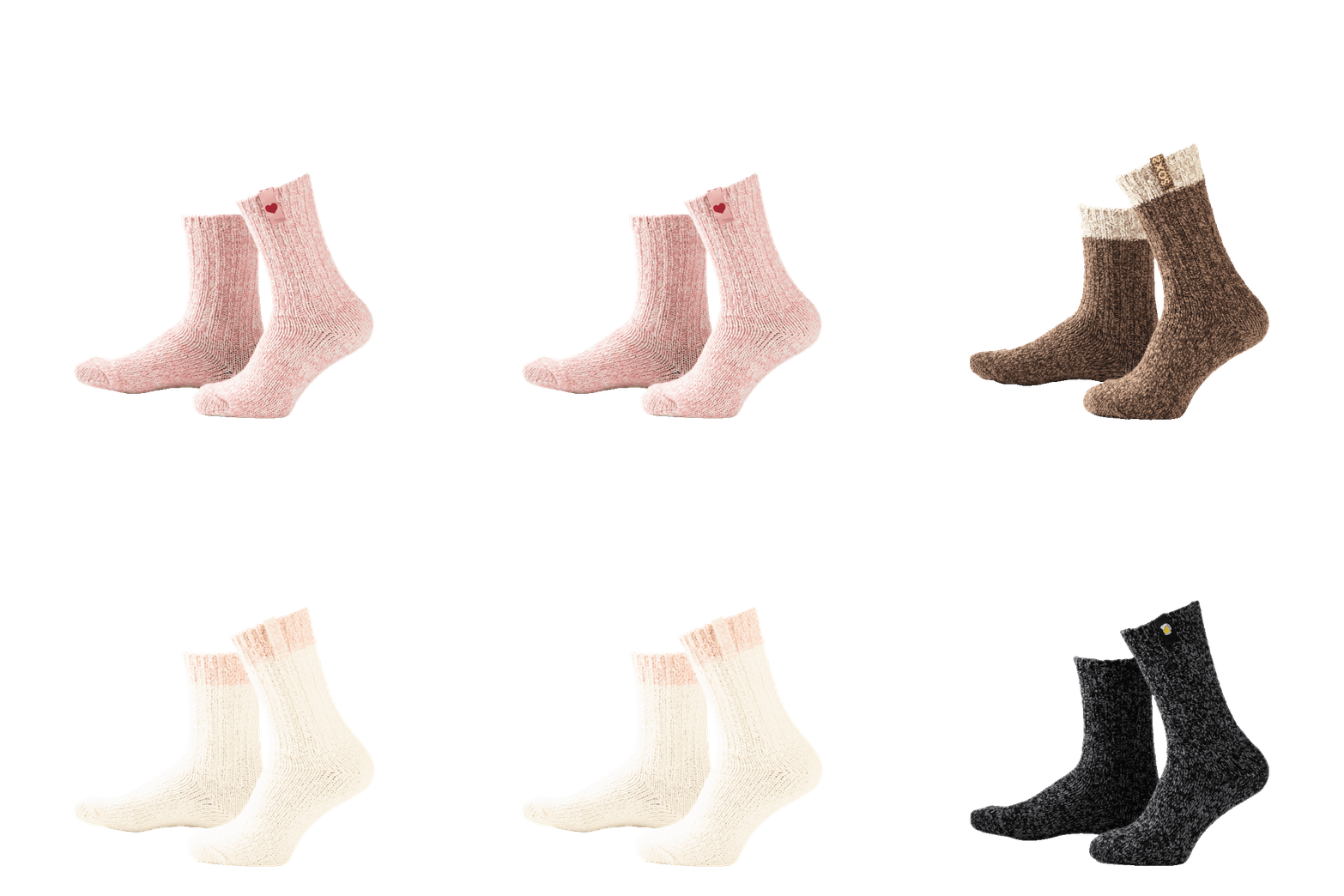

Soft warm premium wool socks
Gift ready, stylishly packaged
Orders placed before 1:00 PM will be shipped today (on weekdays) PLEASE NOTE: The delivery time of Pimp My Soxs is 5 working days!

The best socks for people who work outdoors in winter are thick, high-quality wool socks. Wool regulates temperature naturally, wicks moisture away from the skin, and stays warm even when conditions get wet and cold. For outdoor workers spending long hours on their feet in winter, the material and construction of their socks matter far more than most people realise. Below, we answer the most common questions about choosing the right winter work socks.
Wool is the warmest and most effective material for keeping feet warm in cold outdoor conditions. Unlike synthetic fibres, wool traps air between its fibres to create natural insulation, and it continues to provide warmth even when damp. For outdoor workers, this makes wool the most reliable choice when temperatures drop and conditions become unpredictable.
Among wool types, New Zealand sheep’s wool stands out for its softness, density, and natural performance. It is breathable enough to prevent overheating during active work, yet insulating enough to hold warmth during stationary tasks in freezing air. This balance is something synthetic materials struggle to replicate.
Cotton, by contrast, absorbs moisture and holds it against the skin, which quickly leads to cold, uncomfortable feet. Synthetic blends can wick moisture effectively but often lack the natural insulation that wool provides. For anyone working outdoors in winter, ethically obtained wool is the clear frontrunner when it comes to keeping feet genuinely warm all day.
At SOXS, we use ethically obtained wool from New Zealand sheep to craft socks that bring real warmth and comfort to every kind of outdoor work environment.
A medium to thick sock is best for outdoor work in winter. Thicker socks provide more insulation and cushioning, which is important when you are standing or walking on hard, cold surfaces for extended periods. However, the right thickness also depends on your footwear, since an overly thick sock in a snug boot can restrict circulation and actually make your feet colder.
The key is finding a thickness that fits well within your work boots without compressing the sock too much. A well-fitted thick wool sock creates a layer of warm air around the foot, which is what delivers lasting warmth throughout the day.
For most outdoor workers, a medium-weight wool sock offers the best combination of warmth, breathability, and fit. If your boots have extra room or are designed for winter use, a thicker sock is an excellent upgrade. Our SOXS Originals are designed with this balance in mind, giving outdoor workers the comfort and insulation they need without sacrificing fit.
Yes, wool socks are absolutely worth it for outdoor workers. The natural properties of wool, including temperature regulation, moisture management, and odour resistance, make it significantly more effective than cotton or basic synthetic alternatives for long days in cold, demanding conditions. Wool socks also tend to last longer when cared for properly, making them a practical investment.
Outdoor workers face conditions that test their gear constantly. Wet ground, fluctuating temperatures, and hours of physical activity all put pressure on the feet. Wool handles all of these challenges naturally, without relying on chemical treatments or artificial coatings.
Beyond performance, there is an element of daily comfort that should not be underestimated. Arriving home after a long winter shift with warm, dry feet rather than cold, damp ones is a meaningful difference. High-quality wool socks deliver that comfort consistently, day after day.
To keep feet warm and dry when working outside all day, start with a high-quality wool sock as your base layer, pair it with waterproof or water-resistant boots, and avoid cotton at all costs. Wool actively moves moisture away from the skin, so even if your feet perspire during active work, the wool keeps the surface feeling dry and warm rather than clammy.
Your sock and boot work as a system. A thick wool sock inside a waterproof boot creates an insulating, moisture-managing layer that protects the foot from both internal moisture (sweat) and external moisture (rain, snow, or wet ground). Make sure the boot has enough room for the sock without squeezing the foot.
If your work allows for it, carrying a spare pair of wool socks and changing them midday can make a significant difference in comfort and warmth. Wool dries faster than cotton and retains warmth even when slightly damp, but a fresh pair during a long shift is a simple habit that keeps feet feeling their best.
The best outdoor work socks for winter should have natural insulation, moisture-wicking properties, cushioning in high-impact areas, and a secure fit that stays in place throughout the day. These features work together to protect the foot from cold, friction, and fatigue during demanding outdoor shifts.
Socks made from ethically obtained wool tick all of these boxes naturally. The fibre itself does much of the work, which is why the material choice is the most important decision when selecting winter work socks.
Outdoor workers should replace their winter socks when they show visible signs of thinning, holes, or loss of elasticity, which, with quality wool socks and proper care, can take one to several seasons. High-quality wool socks last significantly longer than cotton alternatives, but the frequency of replacement depends on how often they are worn, how they are washed, and how well they are maintained.
Proper care extends the life of wool socks considerably. Washing at low temperatures, avoiding tumble drying, and allowing socks to air dry preserves the wool fibres and maintains the sock’s shape and insulating properties. If a small hole appears, darning the sock rather than discarding it is a simple way to extend its life further. You can find guidance on how to darn socks to keep your favourites going for longer.
For outdoor workers who wear the same pair daily, rotating between two or three pairs reduces wear on each individual sock and helps them last longer. This is a practical habit that also ensures you always have a fresh pair ready, even if one pair is still drying after washing.
For more on keeping your socks in the best condition possible, our SOXS care guide covers everything you need to know about washing, drying, and maintaining wool socks for the long term.