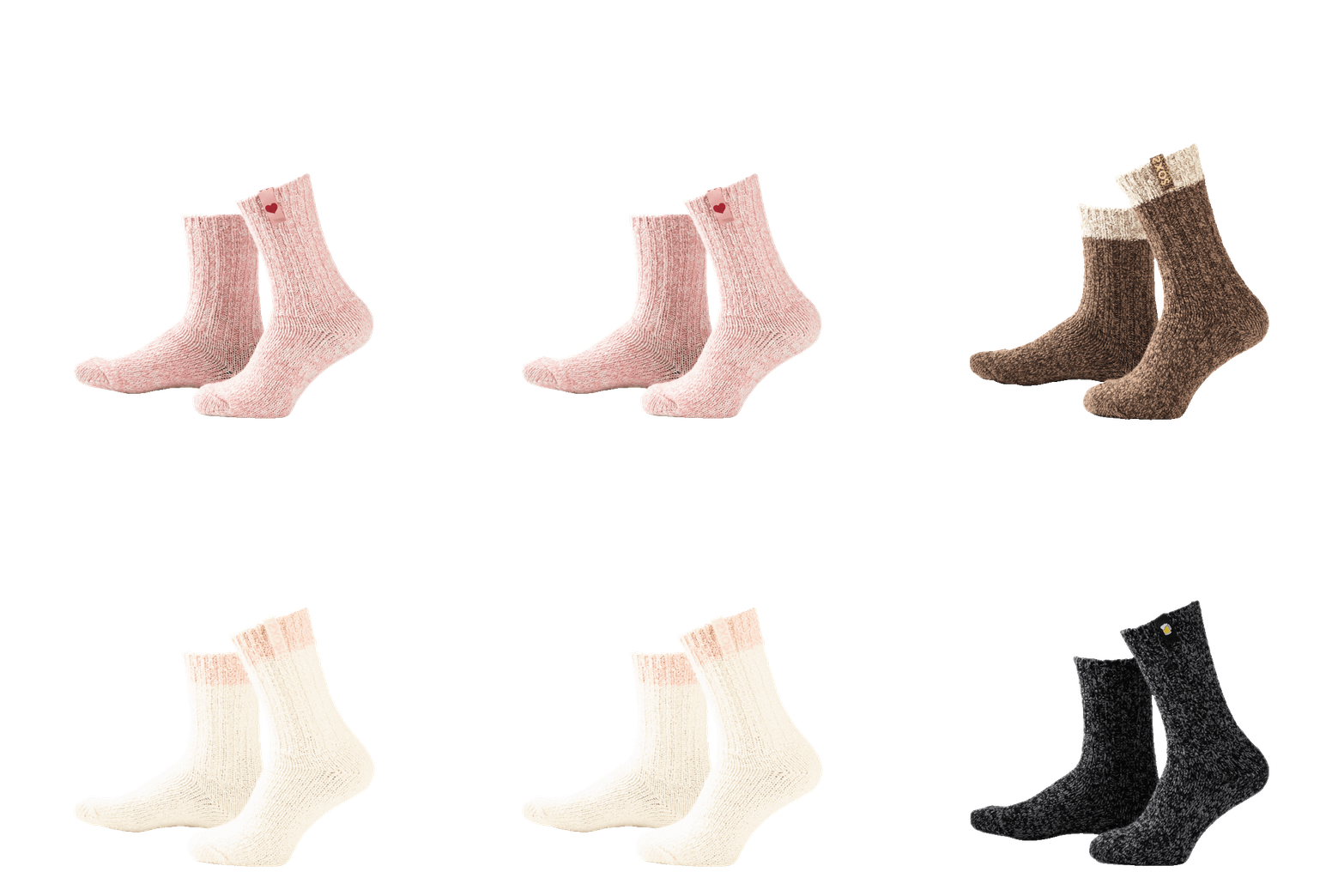
Soft warm premium wool socks
Gift ready, stylishly packaged
Orders placed before 1:00 PM will be shipped today (on weekdays) PLEASE NOTE: The delivery time of Pimp My Soxs is 5 working days!

Living with diabetes means paying extra attention to your feet. Poor circulation, nerve damage, and slower healing make diabetic feet vulnerable to complications that can escalate quickly. The right socks become more than just a comfort—they’re an important part of daily foot care.
Wool socks offer unique benefits for people managing diabetes. Their natural moisture-wicking properties, temperature regulation, and gentle compression help address the specific challenges diabetic feet face. Let’s explore why wool might be the smartest choice for your foot health.
Diabetic feet face three main challenges: reduced blood circulation, nerve damage (neuropathy), and slower wound healing. High blood sugar levels damage blood vessels and nerves over time, making feet less sensitive to temperature, pressure, and injury, while also reducing the body’s ability to heal cuts or sores.
Poor circulation means less oxygen and fewer nutrients reach your feet, making them more prone to infection and slower to recover from minor injuries. Neuropathy reduces sensation, so you might not notice blisters, cuts, or pressure points until they become serious problems. Even small wounds can develop into ulcers or infections that are difficult to treat.
This combination makes proper footwear and sock selection vital. Your socks need to protect against moisture buildup, reduce friction, maintain a proper temperature, and avoid restricting blood flow. Traditional cotton socks that stay damp, or synthetic materials that don’t breathe, can create environments where bacteria thrive.
Wool naturally wicks moisture away from the skin while regulating temperature, creating an optimal environment for diabetic feet. Merino wool can absorb up to 30% of its weight in moisture without feeling wet, keeping feet dry even during extended wear.
The crimped structure of wool fibers traps air, providing insulation that adapts to your body temperature. This means your feet stay warm when it’s cold but don’t overheat in warmer conditions. A consistent temperature helps maintain healthy blood flow, which is particularly important when circulation is already compromised.
Moisture management helps prevent bacterial and fungal growth that can lead to infections. Wet feet are also more prone to blisters and skin breakdown. Wool’s antimicrobial properties naturally resist odor-causing bacteria, reducing the risk of foot infections that people with diabetes must carefully avoid.
Wool socks provide superior moisture management, temperature regulation, and natural antimicrobial protection compared with synthetic alternatives. While synthetic moisture-wicking fabrics move sweat away from the skin, they often trap it in the sock material, creating a damp environment.
Synthetic materials typically regulate temperature less effectively than wool. They can make feet too hot in warm conditions or fail to provide adequate warmth when circulation is poor. Many synthetic fabrics also lack the natural stretch and recovery that wool provides, potentially creating pressure points or loose areas that cause friction.
Wool offers gentler compression without restricting circulation. The natural elasticity of wool fibers allows socks to conform to your foot shape without binding or cutting off blood flow. Synthetic materials often require elastic bands or tight weaves that can create pressure points that are problematic for people with diabetes.
Quality wool socks maintain their shape and cushioning longer than most synthetic options. This consistency is important for diabetic foot care, as worn-out socks can create uneven pressure or lose their protective properties. Wool’s natural resilience means fewer sock replacements and more reliable foot protection.
Wool socks support circulation through gentle, consistent compression and temperature regulation that encourages healthy blood flow. The natural elasticity of wool provides mild compression without constricting blood vessels, unlike tight elastic bands that can cut off circulation.
Proper temperature regulation helps maintain optimal blood flow. Cold feet can cause blood vessels to constrict, reducing circulation that is already compromised in people with diabetes. Wool’s insulating properties keep feet at a consistent, comfortable temperature that promotes healthy circulation patterns.
The cushioning properties of wool also reduce pressure points that can impede blood flow. Quality wool socks distribute pressure more evenly across the foot, preventing the concentrated pressure that can restrict circulation in sensitive areas. This is particularly important for people who spend long periods sitting or standing.
Look for wool socks with seamless toe construction, non-binding tops, cushioned soles, and a high percentage of merino wool. Seamless toes prevent friction and pressure points that can cause blisters or sores, while non-binding tops ensure circulation isn’t restricted.
Choose socks with cushioned heels and forefoot areas for extra protection and comfort. The cushioning should be consistent throughout the sock to avoid creating pressure differentials. Extra padding in high-wear areas helps prevent sock breakdown that can lead to hot spots or blisters.
The wool content should be at least 60% for optimal moisture-wicking and temperature-regulation benefits. A small percentage of synthetic fibers, such as nylon or polyamide, can improve durability and fit without compromising wool’s natural benefits. Avoid socks with thick seams, decorative elements, or tight elastic bands.
Diabetic wool socks should fit snugly without being tight. There should be no bunching, sliding, or pressure points anywhere on the foot. The sock should stay in place throughout the day without requiring adjustment. Replace socks as soon as they show signs of thinning or lose their shape, as compromised socks can’t provide proper protection.
When choosing wool socks for diabetic foot care, you’re investing in daily comfort and long-term foot health. The natural properties of quality wool address the specific challenges diabetic feet face, from moisture management to circulation support. At SOXS, we understand these needs and craft our merino wool socks with the care and attention that diabetic feet deserve, using ethically sourced wool that provides the warmth and protection your feet need every day.