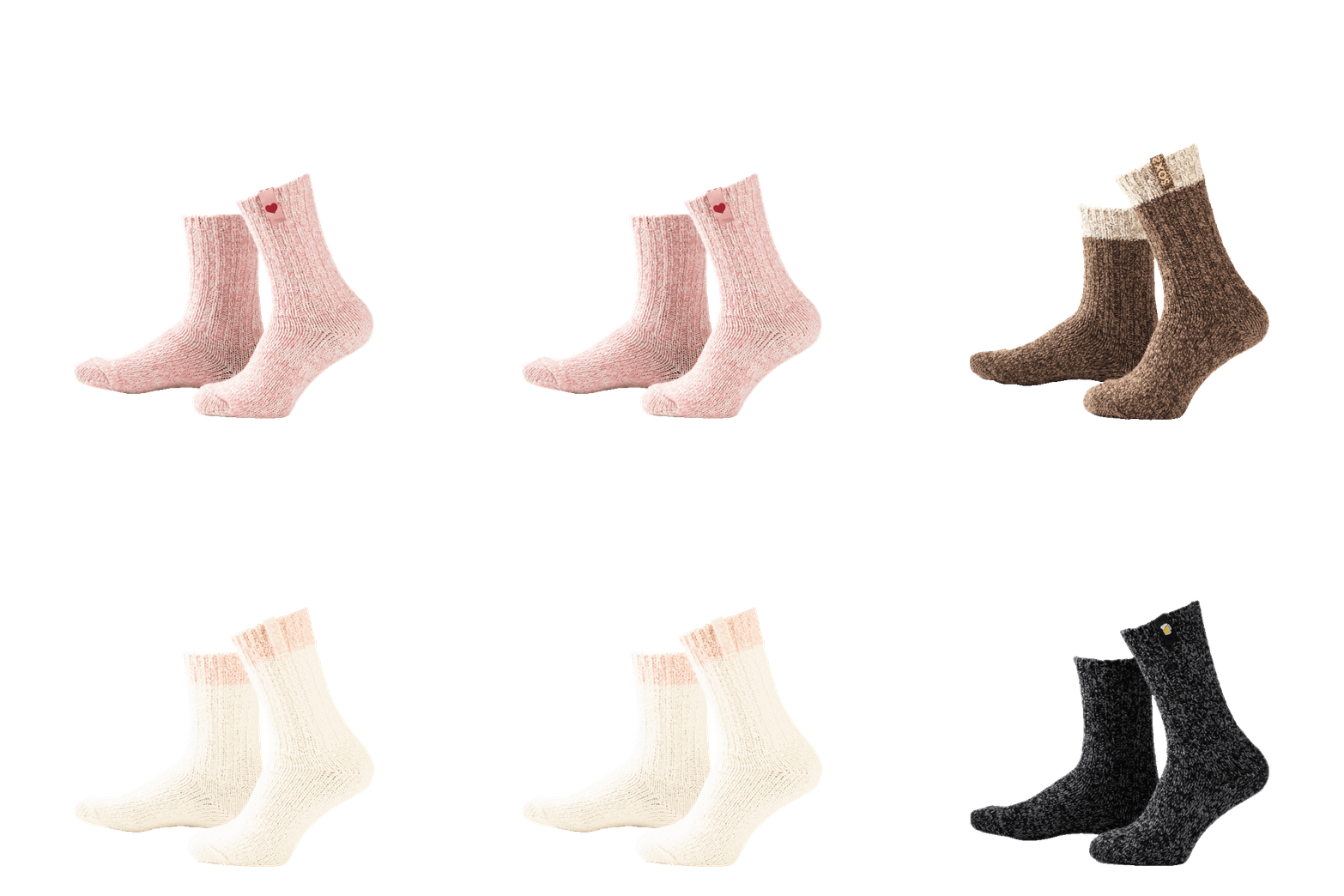

Soft warm premium wool socks
Gift ready, stylishly packaged
Orders placed before 1:00 PM will be shipped today (on weekdays) PLEASE NOTE: The delivery time of Pimp My Soxs is 5 working days!

When shopping for wool socks, you’ve probably noticed different types of wool available, from basic sheep’s wool to premium merino varieties. The differences between these wool types go far beyond price, affecting everything from comfort and durability to environmental impact. Understanding what sets merino wool apart helps you make informed choices about the socks that will keep your feet comfortable all day long.
We’ll explore the key differences between merino wool and regular wool, examining why merino has become the gold standard for premium sock manufacturing. From its unique fiber structure to its superior performance characteristics, merino wool offers distinct advantages that make it worth considering for your next sock purchase.
Merino wool comes from Merino sheep, primarily raised in New Zealand and Australia, and features much finer fibers than regular wool from other sheep breeds. While regular wool fibers typically measure 25–40 microns in diameter, merino wool fibers are only 18–24 microns thick, making them significantly softer and less scratchy against the skin.
Regular wool comes from various sheep breeds, such as Romney, Corriedale, or crossbred sheep, which produce coarser, thicker fibers. These traditional wool types work well for outerwear and blankets but can feel rough and itchy when worn directly against the skin. The fiber structure also differs significantly: merino wool has a natural crimp that creates tiny air pockets, providing superior insulation.
Processing methods also vary between wool types. Merino wool undergoes more careful handling and processing to preserve its fine fiber structure, while regular wool may be processed more aggressively because the coarser fibers can withstand rougher treatment. This attention to detail in merino wool processing helps maintain the natural properties that make it so comfortable to wear.
Merino wool feels softer because its ultra-fine fibers bend easily when they contact the skin, rather than poking and scratching like thicker regular wool fibers. The 18–24 micron diameter of merino fibers is below the threshold at which human skin registers the sensation as scratchy or irritating.
Regular wool’s thicker fibers, measuring 25–40 microns, don’t bend as readily when pressed against the skin. Instead, they maintain their shape and create the familiar prickly sensation many people associate with wool clothing. This difference in fiber flexibility explains why you can wear merino wool socks comfortably all day without irritation.
Natural lanolin content also contributes to merino wool’s soft feel. Merino sheep produce higher-quality lanolin, some of which is retained during processing, creating a naturally smooth, almost silky texture. This lanolin also provides antimicrobial properties that help prevent odor buildup, keeping socks fresher longer than regular wool alternatives.
Merino wool excels at temperature regulation because its crimped fiber structure traps air more effectively than regular wool, creating superior insulation while remaining breathable. The fine fibers can absorb up to 30% of their weight in moisture without feeling wet, then release that moisture as vapor to keep feet dry and comfortable.
Regular wool provides warmth but lacks the sophisticated moisture management found in merino. The coarser fibers don’t create the same intricate network of air pockets, resulting in less efficient temperature control. This means regular wool socks may leave your feet feeling too hot in warm conditions or clammy when you perspire.
Breathability is another key differentiator. While regular wool can trap moisture and heat, merino wool actively wicks moisture away from the skin and allows air to circulate through the fiber structure. This natural thermostat effect means merino wool socks keep feet warm in cold weather but help prevent overheating in moderate temperatures, making them suitable for year-round wear.
SOXS merino wool demonstrates superior sustainability through ethically sourced New Zealand wool from farms that practice responsible sheep management without mulesing, combined with longer-lasting products that reduce replacement frequency. Our merino wool comes from diervriendelijk geschoren wol, prioritizing animal welfare and environmental stewardship.
Regular wool production often involves less stringent animal welfare standards and may come from farms that use intensive practices that strain both animals and land resources. The shorter lifespan of regular wool products also contributes to increased consumption and waste, as these items need replacement more frequently than high-quality merino alternatives.
Durability also has a significant impact on sustainability. Merino wool’s superior fiber strength means socks last longer with proper care, reducing the environmental impact per wear. We combine our merino wool with small amounts of biodegradable polyamide to further enhance durability, ensuring each pair of socks serves you well for years rather than months.
Our packaging also reflects our commitment to sustainability. Each pair comes in reusable gift packaging, and our packaging process provides meaningful employment opportunities for people who face barriers to traditional employment, creating positive social impact alongside environmental benefits.
Merino wool socks require gentler care than regular wool, including washing in cool water (30°C maximum), using wool-specific detergents, and air-drying to preserve the fine fiber structure and natural properties. Never use fabric softener or bleach, as these chemicals can damage delicate merino fibers.
Regular wool can typically handle slightly more aggressive washing conditions, but merino wool’s fine fibers need protection from heat, agitation, and harsh chemicals. Turn merino wool socks inside out before washing to protect the outer surface, and use a gentle or wool cycle on your washing machine to minimize fiber stress.
Drying methods differ significantly between wool types. While regular wool might survive occasional machine-drying on low heat, merino wool should always be air-dried to prevent shrinkage and maintain its shape. Lay socks flat on a clean towel, away from direct sunlight or heat sources, which can cause fibers to become brittle.
Storage also matters for merino wool longevity. Keep clean, dry socks in breathable containers rather than plastic bags, and consider using cedar blocks or lavender sachets to deter moths naturally. With proper care, quality merino wool socks maintain their comfort and performance characteristics for years, making the investment in proper care techniques worthwhile.
Understanding these differences helps you appreciate why merino wool commands premium prices and why it’s become the preferred choice for high-quality sock manufacturing. When you invest in merino wool socks, you’re choosing superior comfort, performance, and sustainability that regular wool simply cannot match. At SOXS, we’re committed to bringing you the finest New Zealand merino wool crafted into socks that deliver warmth, comfort, and peace of mind with every step.