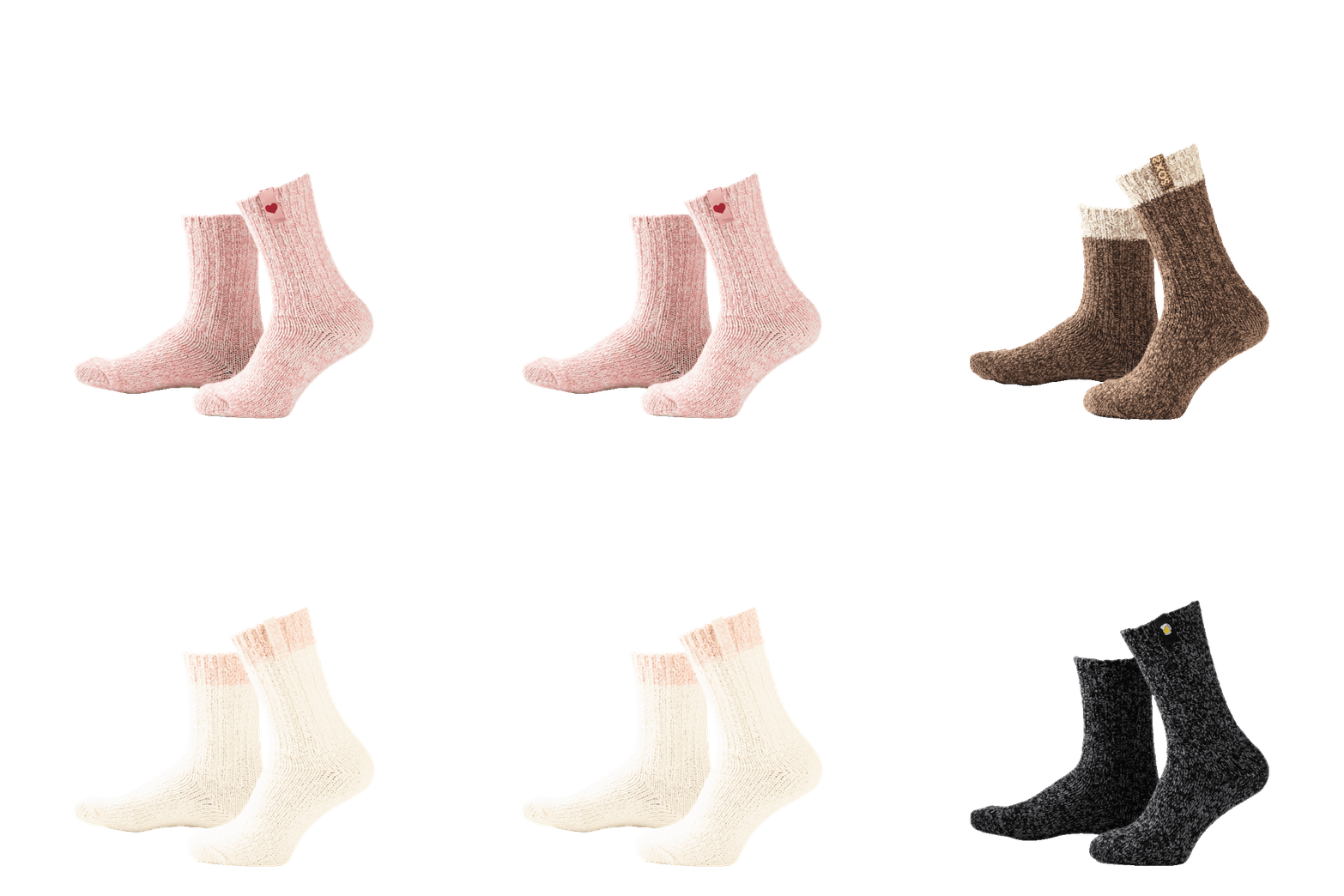
Soft warm premium wool socks
Gift ready, stylishly packaged
Orders placed before 1:00 PM will be shipped today (on weekdays) PLEASE NOTE: The delivery time of Pimp My Soxs is 5 working days!

Seamless socks offer significant medical benefits by eliminating pressure points and reducing friction that can cause foot problems. Unlike traditional socks with raised seams, seamless construction provides smooth surfaces that promote better circulation, prevent blisters, and support overall foot health. These benefits make seamless socks particularly valuable for people with diabetes, circulation issues, and sensitive skin conditions.
Seamless socks use specialized construction technology that eliminates traditional toe seams and pressure points found in regular socks. Instead of stitching pieces together with raised seams, seamless socks are knitted in a continuous process that creates smooth, flat surfaces throughout the entire sock.
The key difference lies in the manufacturing process. Traditional socks typically have thick seams across the toe area where fabric pieces are joined together. These seams create raised ridges that press against your feet and can cause discomfort, particularly during extended wear or physical activity.
Seamless construction uses advanced knitting techniques to shape the sock without creating these problematic seam lines. The result is a sock that fits more naturally around your foot’s contours, distributing pressure evenly rather than concentrating it at specific points. This smooth design reduces friction and creates a more comfortable wearing experience for daily activities.
Seamless socks help prevent blisters and hot spots by eliminating friction-causing seams that rub against your skin during movement. The smooth, continuous surface reduces the repetitive rubbing motion that typically leads to skin irritation and blister formation.
Blisters develop when skin experiences repeated friction in the same spot, causing layers of skin to separate and fill with fluid. Traditional sock seams create exactly this type of consistent pressure point, especially around the toes where seams are most prominent. During walking, running, or other activities, these seams move against your skin with each step.
The seamless design addresses this problem by creating uniform contact across your entire foot. Without raised seams to catch or rub, there is significantly less chance of developing the hot spots that precede blister formation. This makes seamless socks particularly beneficial for people who spend long hours on their feet, engage in regular exercise, or have naturally sensitive skin that is prone to irritation.
Doctors recommend seamless socks for diabetic patients because they reduce pressure points that can lead to serious complications. People with diabetes often have reduced sensation in their feet and slower wound healing, making them particularly vulnerable to injuries from sock seams and pressure spots.
Diabetic foot care requires preventing even minor injuries that could develop into serious problems. Traditional sock seams can create pressure points that restrict blood flow or cause small wounds that diabetic patients might not feel due to neuropathy. These seemingly minor issues can escalate into ulcers or infections that are difficult to heal.
Seamless socks support diabetic foot health by eliminating these risk factors. The smooth construction helps prevent the formation of pressure sores and reduces the likelihood of cuts or abrasions. Additionally, the improved fit helps maintain better circulation around the foot, which is important for diabetic patients who often struggle with blood flow issues in their extremities.
Several foot conditions benefit significantly from seamless sock construction, particularly those involving sensitive skin, circulation problems, and nerve-related issues. People with neuropathy, arthritis, and various skin conditions often find relief when switching to seamless designs.
Neuropathy patients benefit because seamless socks reduce the risk of unnoticed injuries. When you cannot feel your feet properly, traditional seams can cause damage without your awareness. The smooth surface of seamless socks minimizes these risks while providing necessary protection.
People with arthritis or joint inflammation appreciate seamless socks because they do not add extra pressure to already sensitive areas. Swollen feet and ankles can make traditional sock seams particularly uncomfortable, while seamless construction accommodates changes in foot size throughout the day.
Circulation issues, including conditions like Raynaud’s disease, also benefit from seamless design. By eliminating pressure points that can restrict blood flow, seamless socks help maintain better circulation to the feet and toes. This is particularly important for people who already struggle with adequate blood flow to their extremities.
Seamless socks improve circulation by eliminating pressure points that can compress blood vessels and restrict blood flow. Traditional sock seams create localized pressure that can impede circulation, particularly around the toes and across the top of the foot where seams are typically located.
Blood circulation in the feet relies on unobstructed pathways through blood vessels. When sock seams press against these vessels, they can reduce blood flow and contribute to problems like cold feet, numbness, or tingling sensations. This is especially problematic for people who already have circulation challenges.
The smooth construction of seamless socks distributes pressure evenly across the foot surface, allowing blood vessels to function without compression. This improved circulation helps maintain proper foot temperature, reduces swelling, and supports overall foot health. For people with circulation concerns, this can mean more comfortable feet throughout the day and a reduced risk of circulation-related complications.
SOXS provides the complete solution for medical foot health through our advanced seamless construction technology. Our approach addresses all the key medical benefits discussed above through:
When choosing foot care solutions, seamless socks represent a simple yet effective way to support your foot health. The elimination of pressure points and friction areas makes them particularly valuable for people with medical conditions, but anyone can benefit from the improved comfort and circulation they provide. At SOXS, we understand the importance of combining comfort with foot health, which is why our seamless construction focuses on creating socks that support your well-being while providing the warmth and quality you deserve. If you’re ready to experience the medical benefits of seamless socks, explore our complete shop to find the perfect pair for your specific needs.
<!– wp:seoaic/faq-block {"questions":[{"id":0,"title":"How do I know if seamless socks are right for my specific foot condition?","content":"If you experience frequent blisters, pressure sores, or discomfort from traditional sock seams, seamless socks are likely beneficial. People with diabetes, neuropathy, arthritis, circulation issues, or sensitive skin typically see the most improvement. Consult your healthcare provider if you have a diagnosed foot condition to confirm seamless socks align with your treatment plan."},{"id":1,"title":"Can I wear seamless socks with any type of footwear?","content":"Yes, seamless socks work well with most footwear types including athletic shoes, dress shoes, boots, and casual footwear. The smooth construction actually helps reduce friction between your foot and shoe interior, making them particularly beneficial for tight-fitting shoes or during long periods of wear."},{"id":2,"title":"Are seamless socks more expensive than regular socks, and are they worth the cost?","content":"Seamless socks typically cost more due to specialized manufacturing processes, but the investment is often worthwhile for people with foot health concerns. The prevention of blisters, pressure sores, and circulation issues can save money on medical treatments and foot care products long-term."},{"id":3,"title":"How often should I replace seamless socks to maintain their health benefits?","content":"Replace seamless socks when they show signs of thinning, holes, or loss of elasticity, typically every 6-12 months with regular use. For people with diabetes or circulation issues, inspect socks regularly and replace them sooner if the seamless construction becomes compromised or if the fabric develops rough spots."},{"id":4,"title":"What materials work best for seamless socks if I have sensitive skin or allergies?","content":"Look for seamless socks made from natural fibers like bamboo, merino wool, or organic cotton, which are less likely to cause allergic reactions. Avoid synthetic materials if you have sensitive skin, and choose moisture-wicking materials to prevent bacterial growth and skin irritation."},{"id":5,"title":"Can seamless socks help with existing foot problems or only prevent new ones?","content":"Seamless socks can help improve existing minor foot irritations by eliminating ongoing friction and pressure, allowing skin to heal. However, they work best as a preventive measure. For existing serious foot problems like ulcers or infections, consult a healthcare provider for comprehensive treatment while using seamless socks as part of your foot care routine.”}]} –>If you experience frequent blisters, pressure sores, or discomfort from traditional sock seams, seamless socks are likely beneficial. People with diabetes, neuropathy, arthritis, circulation issues, or sensitive skin typically see the most improvement. Consult your healthcare provider if you have a diagnosed foot condition to confirm seamless socks align with your treatment plan.
Yes, seamless socks work well with most footwear types including athletic shoes, dress shoes, boots, and casual footwear. The smooth construction actually helps reduce friction between your foot and shoe interior, making them particularly beneficial for tight-fitting shoes or during long periods of wear.
Seamless socks typically cost more due to specialized manufacturing processes, but the investment is often worthwhile for people with foot health concerns. The prevention of blisters, pressure sores, and circulation issues can save money on medical treatments and foot care products long-term.
Replace seamless socks when they show signs of thinning, holes, or loss of elasticity, typically every 6-12 months with regular use. For people with diabetes or circulation issues, inspect socks regularly and replace them sooner if the seamless construction becomes compromised or if the fabric develops rough spots.
Look for seamless socks made from natural fibers like bamboo, merino wool, or organic cotton, which are less likely to cause allergic reactions. Avoid synthetic materials if you have sensitive skin, and choose moisture-wicking materials to prevent bacterial growth and skin irritation.
Seamless socks can help improve existing minor foot irritations by eliminating ongoing friction and pressure, allowing skin to heal. However, they work best as a preventive measure. For existing serious foot problems like ulcers or infections, consult a healthcare provider for comprehensive treatment while using seamless socks as part of your foot care routine.