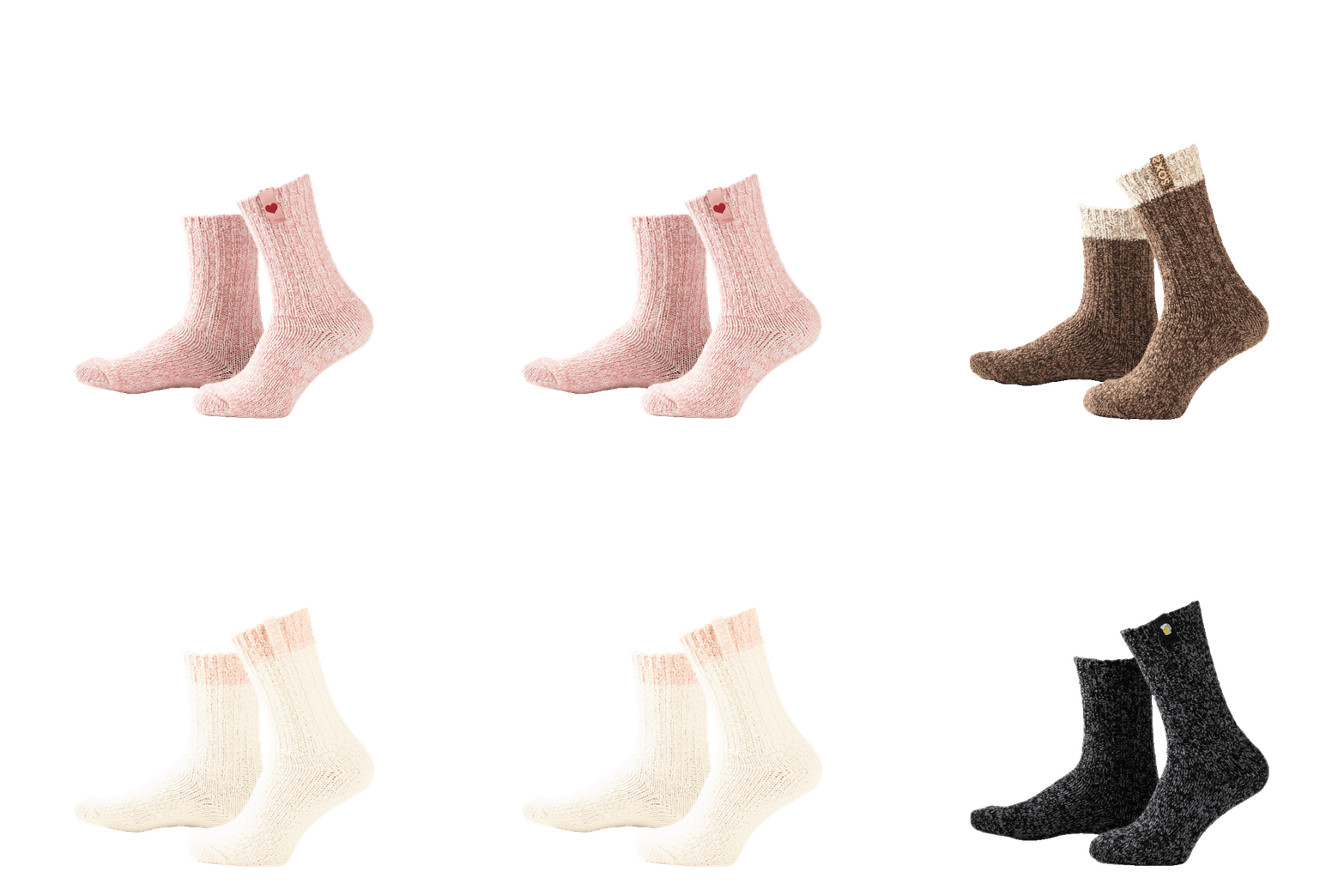
Soft warm premium wool socks
Gift ready, stylishly packaged
Orders placed before 1:00 PM will be shipped today (on weekdays) PLEASE NOTE: The delivery time of Pimp My Soxs is 5 working days!

Living with neuropathy presents daily challenges, particularly when it comes to foot comfort and protection. The wrong sock choices can turn manageable discomfort into debilitating pain, making even simple activities like walking or standing unbearable. Understanding how improper footwear affects nerve-damaged feet is crucial for anyone dealing with peripheral neuropathy or diabetic complications.
The relationship between sock selection and neuropathy symptoms is more significant than many people realize. Poor sock choices can worsen existing nerve pain, create dangerous pressure points, and even lead to serious complications that require medical intervention. Making informed decisions about sock materials, fit, and features is essential for maintaining foot health and overall quality of life.
Wearing the wrong socks with neuropathy can intensify nerve pain, create pressure points that worsen numbness, and increase the risk of skin breakdown or injury. Compromised nerve function in neuropathic feet makes them extremely sensitive to friction, moisture, and temperature changes, all of which inappropriate socks can amplify.
When nerve damage affects the feet, the body’s natural protective mechanisms become compromised. Normal sensations like pressure or temperature variations can register as intense pain signals, while areas of numbness may not detect harmful conditions at all. Poor sock choices exploit these vulnerabilities in several dangerous ways.
Inadequate moisture management becomes particularly problematic with neuropathy. Synthetic materials that trap sweat create warm, humid environments where bacteria and fungi thrive. This increased moisture also softens the skin, making it more susceptible to breakdown and infection. For someone with neuropathy, a minor skin irritation can quickly escalate into a serious wound that heals slowly due to compromised circulation.
Synthetic materials worsen neuropathy symptoms by trapping moisture, creating friction hot spots, and failing to regulate temperature effectively. These artificial fibers lack the natural breathability that damaged nerves require, leading to increased pain sensitivity and higher infection risks.
Materials like polyester, nylon, and acrylic create a barrier against the skin. Unlike natural fibers, they cannot absorb moisture from the foot and move it away from the skin’s surface. This trapped moisture creates several problems for neuropathic feet. Constant dampness increases friction between the sock and skin, potentially causing blisters or raw spots that someone with numbness might not immediately detect.
Temperature regulation becomes another critical issue with synthetic materials. These fabrics often retain heat, creating uncomfortably warm areas that can trigger nerve pain episodes. The inability to maintain consistent, comfortable temperatures around sensitive nerve endings can turn minor discomfort into significant pain that affects mobility and daily activities.
Tight socks worsen neuropathy pain by restricting blood circulation, creating pressure points on sensitive nerves, and limiting the natural movement needed for healthy foot function. The compression from overly snug socks can trigger intense pain responses in already compromised nerve pathways.
Proper circulation is essential for managing neuropathy symptoms effectively. When socks are too tight, they create constriction points that reduce blood flow to the feet and toes. This decreased circulation not only worsens existing nerve damage but also impairs the body’s ability to heal minor injuries or fight off infections that commonly affect neuropathic feet.
The pressure created by tight elastic bands or overall sock compression can directly stimulate damaged nerves, causing shooting pains or burning sensations. Areas where neuropathy has created hypersensitivity become particularly vulnerable to this pressure-induced pain. Even mild compression that would feel comfortable on healthy feet can become unbearable when nerve function is compromised.
People with neuropathy should avoid thick seams, tight elastic bands, synthetic materials, and rough textures that can irritate sensitive skin and damaged nerves. These features create friction points, restrict circulation, and trap moisture that can lead to complications.
Thick or raised seams pose particular dangers for neuropathic feet. These rigid areas create pressure points that can cause blisters or sores, especially in areas where numbness prevents early detection of problems. Constant rubbing from prominent seams against sensitive or numb areas can create wounds that heal slowly due to compromised circulation.
Elastic bands that are too tight around the ankle or calf can cause dangerous constriction. This compression reduces blood flow to areas that already struggle with circulation due to nerve damage. The resulting decrease in oxygen and nutrients to the feet can worsen existing neuropathy and slow the healing of minor injuries.
Rough or textured inner surfaces should also be avoided. While these textures might feel normal to healthy feet, they can cause significant irritation to hypersensitive nerve endings. Even subtle texture variations can trigger pain responses or create friction that leads to skin breakdown over time.
Wearing the wrong socks can lead to diabetic foot complications by creating moisture buildup that promotes infections, causing pressure sores from poor fit, and allowing injuries to go undetected due to numbness. These factors combine to create serious risks, including ulcers, infections, and potential amputation.
Diabetic neuropathy creates a perfect storm of risk factors that inappropriate socks can dramatically worsen. The combination of reduced sensation, poor circulation, and compromised immune function means that minor sock-related irritations can quickly become major medical emergencies. Moisture trapped by synthetic materials creates ideal conditions for bacterial and fungal growth, leading to infections that are difficult to treat in people with diabetes.
Poorly fitting socks can create pressure points that develop into diabetic ulcers. These wounds heal slowly due to reduced circulation and can become infected easily. Once an ulcer forms, it requires intensive medical management and can lead to serious complications, including bone infections or the need for amputation, if not properly treated.
The numbness associated with diabetic neuropathy means that sock-related injuries often go unnoticed until they become severe. A small blister from a rough seam or tight elastic band can progress to an open wound without the person realizing it. Daily foot inspections are crucial, but proper sock selection is the first line of defense against these preventable complications.
Wool socks excel in neuropathy management because they naturally regulate moisture and temperature, provide cushioning without bulk, and offer antibacterial properties that reduce infection risks. The fiber structure of wool creates an ideal environment for sensitive, nerve-damaged feet.
Natural wool fibers have unique properties that synthetic materials cannot replicate. Wool can absorb up to 30% of its weight in moisture while still feeling dry to the touch. This exceptional moisture management keeps feet in an optimal environment for healing and comfort, reducing the risk of fungal infections and skin breakdown that commonly affect neuropathic feet.
Temperature regulation is another significant advantage of wool socks for people with neuropathy. Wool fibers naturally insulate while allowing air circulation, maintaining consistent temperatures that help prevent the sudden temperature changes that can trigger nerve pain. This stable thermal environment reduces the likelihood of pain flares while promoting better circulation.
The natural antibacterial properties of wool provide additional protection for vulnerable feet. These properties help prevent bacterial growth that can lead to infections, which is particularly important for people with diabetes or compromised immune systems. The soft, non-irritating texture of high-quality wool also reduces friction against sensitive skin while providing gentle cushioning that protects pressure points.
We understand that managing neuropathy requires exceptional attention to foot comfort and protection. SOXS wool socks are crafted from ethically sourced New Zealand merino wool that naturally addresses the specific challenges faced by people with nerve sensitivity. Our socks provide the moisture management, temperature regulation, and gentle comfort that neuropathic feet need for everyday well-being.
Our commitment to quality means every pair offers:
Experience the difference thoughtfully designed wool socks can make in your daily comfort. Discover our collection of premium wool socks designed for sensitive feet, and take the first step toward better neuropathy management today.