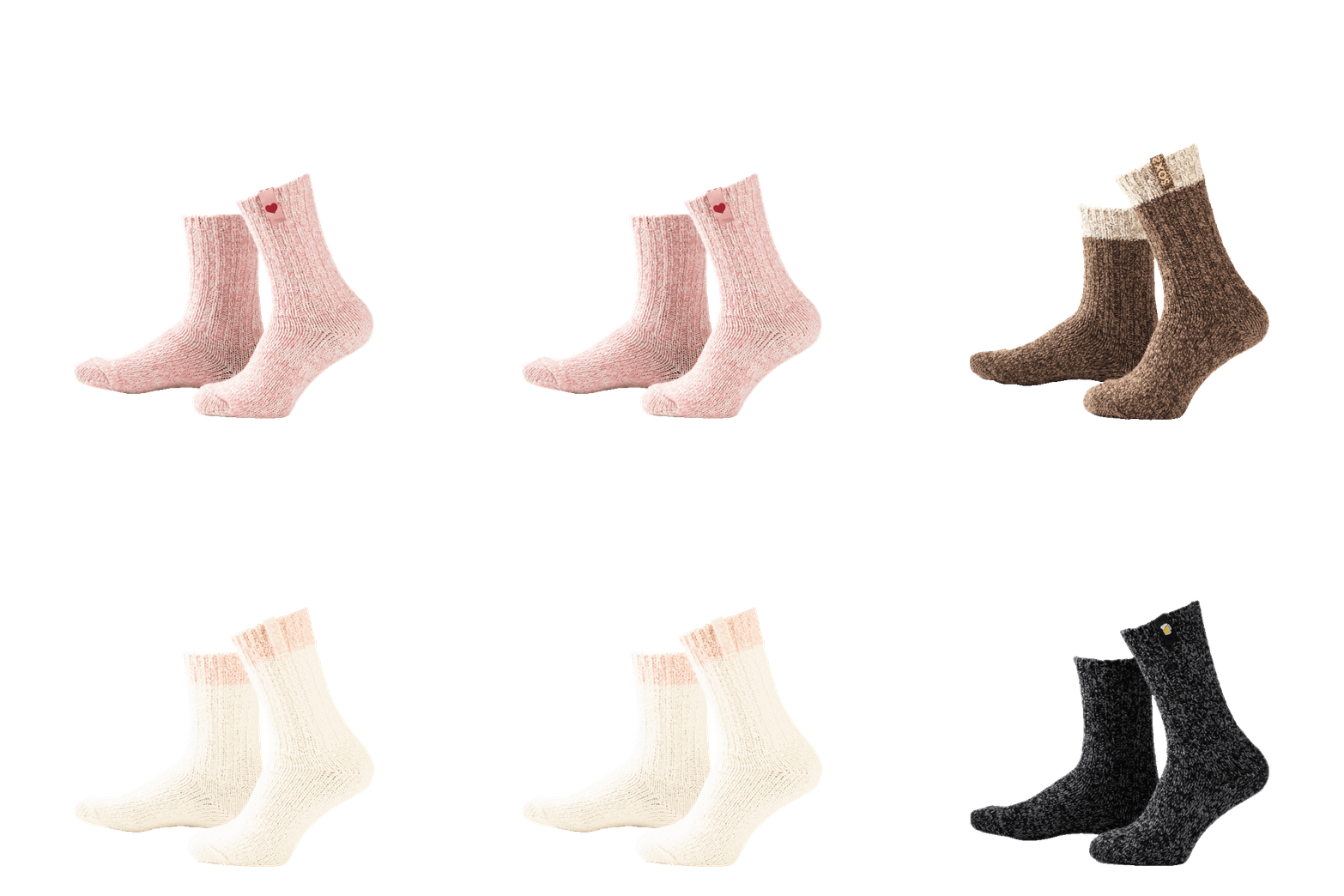
Soft warm premium wool socks
Gift ready, stylishly packaged
Orders placed before 1:00 PM will be shipped today (on weekdays) PLEASE NOTE: The delivery time of Pimp My Soxs is 5 working days!

The **best wool socks for winter 2026** combine natural warmth, moisture-wicking properties, and sustainable production methods. Look for socks made from high-quality sheep’s wool blended with elastic fibres for durability and fit. The ideal winter wool socks feature proper insulation, breathability, and ethical sourcing from regions like New Zealand known for their superior wool quality.
Wool socks excel in winter conditions because they naturally regulate temperature, wick moisture away from your feet, and maintain warmth even when damp. Unlike synthetic materials, wool fibres trap air to create insulation whilst allowing your skin to breathe, preventing overheating and uncomfortable sweating.
The unique structure of wool fibres makes them incredibly effective for cold weather. Each fibre contains tiny air pockets that act as natural insulators, keeping your feet warm in temperatures as low as -20°C. This **breathable wool sock** design means you won’t experience the clammy feeling common with synthetic alternatives.
Wool’s moisture-wicking properties work differently from synthetic materials. Rather than simply moving moisture away, wool can absorb up to 30% of its weight in moisture whilst still feeling dry to the touch. This prevents blisters and keeps your feet comfortable during long winter activities like hiking or outdoor work.
The natural antibacterial properties of wool also mean your socks stay fresher longer, reducing odours that can build up during extended wear in winter boots.
The best winter wool socks typically use merino wool, traditional sheep’s wool, or lambswool, each offering distinct advantages. Merino wool provides the finest texture and excellent temperature regulation, whilst traditional sheep’s wool offers superior durability and warmth for harsh conditions.
**New Zealand wool socks** represent some of the highest quality options available. The sheep in this region produce particularly robust fibres due to the climate and grazing conditions. These wools often provide excellent insulation whilst remaining surprisingly soft against the skin.
For winter conditions, look for wool blends that combine natural fibres with small amounts of elastic materials like polyamide. A typical high-quality winter sock might contain 60% sheep’s wool and 40% elastic polyamide. This combination gives you wool’s natural benefits whilst ensuring the sock maintains its shape and fit over time.
Merino wool works best for active winter pursuits where temperature regulation is crucial. Traditional sheep’s wool excels for extremely cold conditions or when maximum warmth is the priority. Lambswool offers a middle ground with good warmth and exceptional softness.
Quality winter wool socks should include reinforced heel and toe areas, appropriate cushioning for your intended use, and construction methods that prevent bunching or sliding. Look for seamless toe construction and proper height options that work with your winter footwear.
Cushioning varies depending on your needs. Light cushioning works well for everyday wear and fitted boots, whilst heavy cushioning provides extra warmth and comfort for outdoor activities or loose-fitting winter boots. The cushioning should be strategically placed in high-impact areas like the heel and forefoot.
Height options matter for winter wear. Crew-length socks work well with most winter boots and prevent gaps between your sock and trouser leg. Knee-high options provide extra warmth for extremely cold conditions or when wearing shorter boots.
**Warm wool socks** for winter should feature flat seam construction to prevent pressure points and blisters. The elastic cuff should be snug enough to stay up without being restrictive, and the overall fit should allow for proper circulation whilst preventing sliding or bunching inside your boots.
Sustainable wool socks use humanely sheared wool from farms that prioritise animal welfare and environmental responsibility. These options often provide superior quality because the focus on ethical production typically extends to better manufacturing processes and materials.
**Sustainable wool socks** are produced using methods that consider the entire supply chain. This includes responsible grazing practices that maintain soil health, water conservation during processing, and manufacturing facilities that minimise environmental impact. The wool is collected without harm to the animals, ensuring ethical treatment throughout.
Sustainable wool production often results in higher-quality fibres because healthy, well-cared-for sheep produce better wool. The attention to detail in sustainable operations typically translates to more durable socks that last longer, making them more economical over time.
When choosing sustainable wool socks, look for certifications or clear information about the wool’s origin. Brands that prioritise sustainability usually provide detailed information about their sourcing practices and production methods. European-made options often adhere to strict environmental and ethical standards.
Proper wool sock care involves hand washing or using a gentle wool cycle, washing at maximum 30°C, and air drying only. Never put wool socks in the tumble dryer, as heat can cause shrinkage and damage the natural fibres’ structure.
Hand washing remains the gentlest method for **wool sock care**. Use lukewarm water with a wool-specific detergent, gently agitate the socks, and rinse thoroughly. Avoid wringing or twisting the socks, as this can stretch and damage the fibres.
For machine washing, use a wool-specific programme with wool detergent. Set the temperature to 30°C maximum and the spin cycle to 600 revolutions per minute or lower. Turn the socks inside out before washing to protect the outer surface.
Proper drying involves laying the socks flat on a clean towel away from direct heat sources. Reshape them whilst damp to maintain their original fit. Avoid hanging wool socks to dry, as this can stretch them out of shape. Store clean, dry wool socks in a breathable drawer or container to prevent moth damage.
Choose wool socks that match your shoe size but consider the thickness when selecting winter boots. Quality wool socks should fit snugly without being tight, with no bunching at the toes or slipping at the heel. Account for the sock thickness when trying on winter footwear.
Proper sizing for **winter wool socks 2026** means ensuring adequate room in your boots for both the sock thickness and proper circulation. Socks that are too tight restrict blood flow and actually make your feet colder, whilst loose socks can bunch up and cause blisters.
Consider different activities when choosing sock height and thickness. Hiking requires different fit considerations than casual wear or working outdoors. The sock should complement your winter boots without creating pressure points or gaps where cold air can enter.
Quality wool socks often come in size ranges rather than exact sizes, such as 37-41 for women or 42-46 for men. This accommodates the natural stretch of wool whilst ensuring a proper fit. When in doubt, choose the size range that includes your normal shoe size, and remember that wool socks may feel snug initially but will conform to your foot shape with wear.
Finding the best wool socks for winter 2026 means balancing warmth, comfort, sustainability, and proper fit. Quality wool socks represent an investment in comfort that pays dividends throughout the cold months. When you choose well-made wool socks with proper care, they’ll keep your feet warm and comfortable for many winters to come. At SOXS, we understand the importance of combining traditional wool craftsmanship with modern comfort and sustainability, ensuring your feet stay cosy whilst supporting ethical production practices.