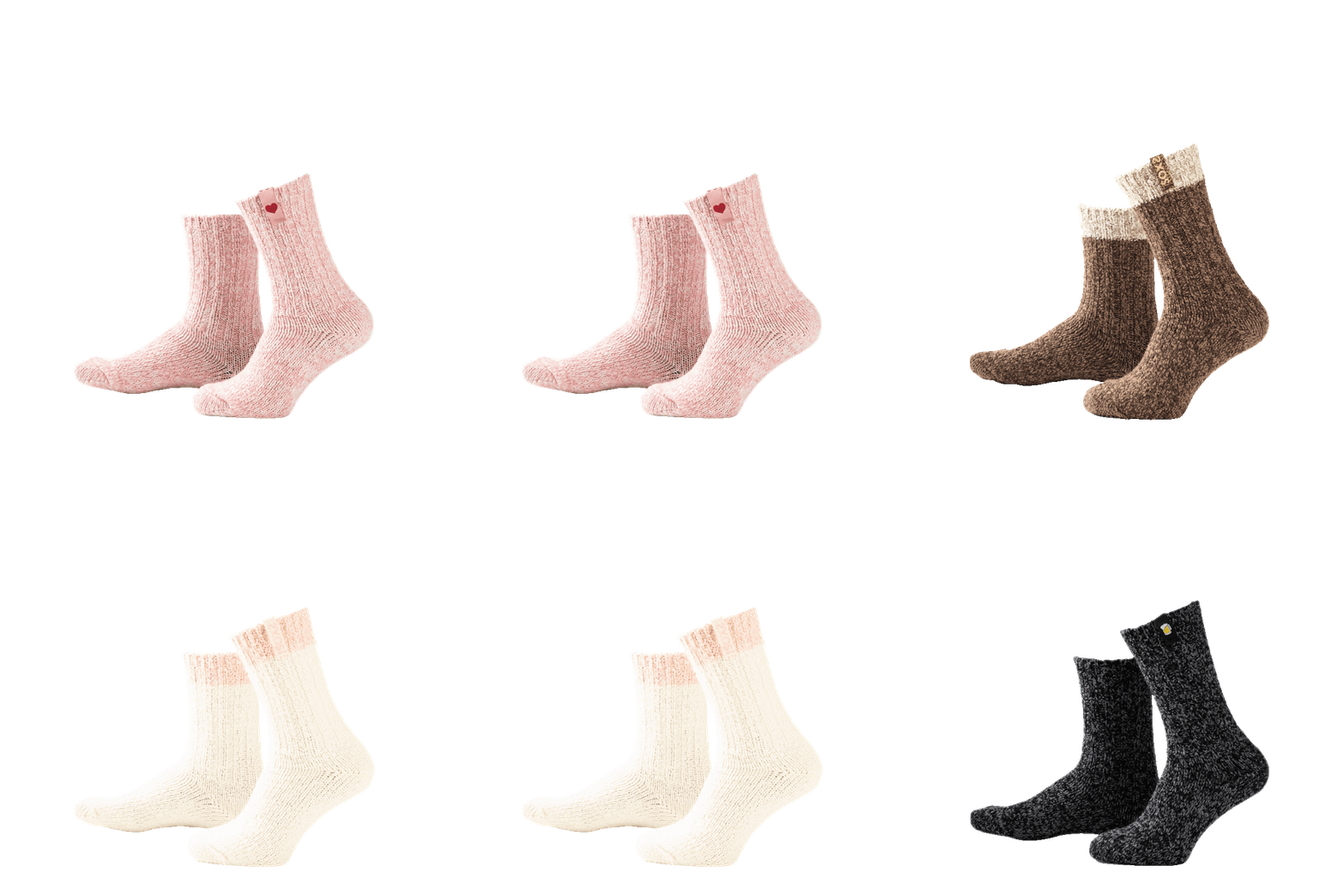
Soft warm premium wool socks
Gift ready, stylishly packaged
Orders placed before 1:00 PM will be shipped today (on weekdays) PLEASE NOTE: The delivery time of Pimp My Soxs is 5 working days!

Wool has been humanity’s trusted companion for thousands of years, keeping us warm through harsh winters and comfortable in changing climates. Yet many people don’t fully understand what makes this natural fiber so remarkable compared with modern synthetic alternatives. From its unique structure to its environmental benefits, wool offers advantages that synthetic materials simply can’t match.
Whether you’re considering wool socks for everyday comfort or exploring sustainable fashion choices, understanding wool’s natural properties helps you make informed decisions about your wardrobe. Let’s explore the science behind why wool remains one of nature’s most impressive materials.
Wool differs from other fabrics because of its unique crimped fiber structure and natural protein composition. Unlike synthetic materials or cotton, wool fibers have a scaly surface and a natural crimp that creates tiny air pockets, providing superior insulation and moisture-management capabilities.
The protein structure of wool—primarily keratin—gives it remarkable elasticity and resilience. Each wool fiber can stretch up to 30% of its length and return to its original shape, making wool garments naturally wrinkle-resistant and long-lasting. This protein composition also makes wool naturally antimicrobial, reducing odor buildup compared with synthetic fabrics.
Cotton absorbs moisture but holds it against your skin, while synthetic materials often trap heat and create a clammy feeling. Wool’s crimped structure allows it to absorb moisture vapor from your skin and release it into the outside air, keeping you dry and comfortable. This moisture-wicking property works even when wool absorbs up to 30% of its weight in moisture without feeling wet to the touch.
Wool maintains its insulating properties when wet because its crimped fibers continue to trap air even after absorbing moisture. The protein structure of wool generates heat through an exothermic reaction when it absorbs water vapor, actually creating warmth rather than losing it.
This unique characteristic sets wool apart from cotton and synthetic materials, which lose most of their insulating ability when wet. Cotton becomes heavy and cold when damp, while many synthetics stop trapping air effectively. Wool’s ability to absorb moisture vapor gradually, rather than becoming saturated quickly, means the fiber structure remains intact and functional.
The lanolin naturally present in wool also contributes to its water-resistant properties. While wool can absorb moisture, it naturally repels liquid water to some degree, giving you time to dry off without losing all warmth. This makes wool particularly valuable for outdoor activities where you might encounter unexpected weather changes.
Wool regulates body temperature through its breathable fiber structure, which responds to humidity and temperature changes around your body. When you’re warm, wool releases trapped air and moisture; when you’re cool, it traps more air for insulation, creating a natural thermostat effect.
The crimped structure of wool fibers creates millions of tiny air pockets that expand and contract based on environmental conditions. In warm weather or during physical activity, these air pockets allow heat and moisture to escape. In cold conditions, they trap warm air close to your skin for insulation.
This temperature regulation happens automatically without any conscious effort on your part. Merino wool, in particular, excels at this regulation because of its finer fiber diameter and higher crimp frequency. You can wear quality wool socks comfortably year-round because they adapt to your body’s changing thermal needs throughout the day.
Wool offers significant sustainability benefits as a renewable, biodegradable fiber that requires minimal chemical processing compared with synthetic alternatives. Sheep naturally regrow their fleece annually, making wool a continuously renewable resource that doesn’t deplete finite materials like petroleum-based synthetics.
When wool garments reach the end of their useful life, they biodegrade completely within a few years, returning nutrients to the soil. Synthetic fabrics, by contrast, can take hundreds of years to break down and release microplastics into the environment during washing. Choosing wool reduces your contribution to plastic pollution in waterways and ecosystems.
Wool production also supports sustainable farming practices when done responsibly. Sheep farming can contribute to land management and biodiversity when practiced with proper grazing techniques. Many wool producers focus on animal welfare and environmental stewardship, creating a more ethical supply chain compared with resource-intensive synthetic fiber production.
Additionally, wool’s natural properties mean it requires less frequent washing than synthetic garments, reducing water and energy consumption over the garment’s lifetime. The natural antimicrobial properties of wool help prevent odor buildup, extending wear time between washes.
High-quality wool clothing can last 10–20 years or more with proper care, significantly outlasting most synthetic alternatives. The natural elasticity and resilience of wool fibers allow garments to maintain their shape and function through hundreds of wear and wash cycles.
The longevity of wool depends on several factors: fiber quality, construction methods, and care practices. Merino wool garments, when well made, often improve with age as the fibers soften while maintaining their structural integrity. Unlike synthetic materials that can pill, lose elasticity, or develop permanent odors, wool continues to perform its moisture-wicking and temperature-regulating functions for years.
Proper care extends wool’s lifespan significantly. Gentle washing, proper drying, and occasional professional cleaning help maintain the fiber structure. Many wool garments become family heirlooms, passed down through generations while still providing excellent comfort and warmth.
When you consider cost per wear over a wool garment’s lifetime, the initial investment often proves more economical than repeatedly replacing cheaper synthetic alternatives. Quality wool socks, for example, can provide everyday comfort for years while maintaining their cushioning and moisture-management properties.
Understanding wool’s remarkable properties helps you appreciate why this natural fiber remains unmatched in comfort, performance, and sustainability. At SOXS, we harness these natural benefits in our merino wool socks, creating products that provide lasting warmth and comfort while supporting sustainable practices. When you choose wool, you’re investing in a material perfected by nature over millions of years.