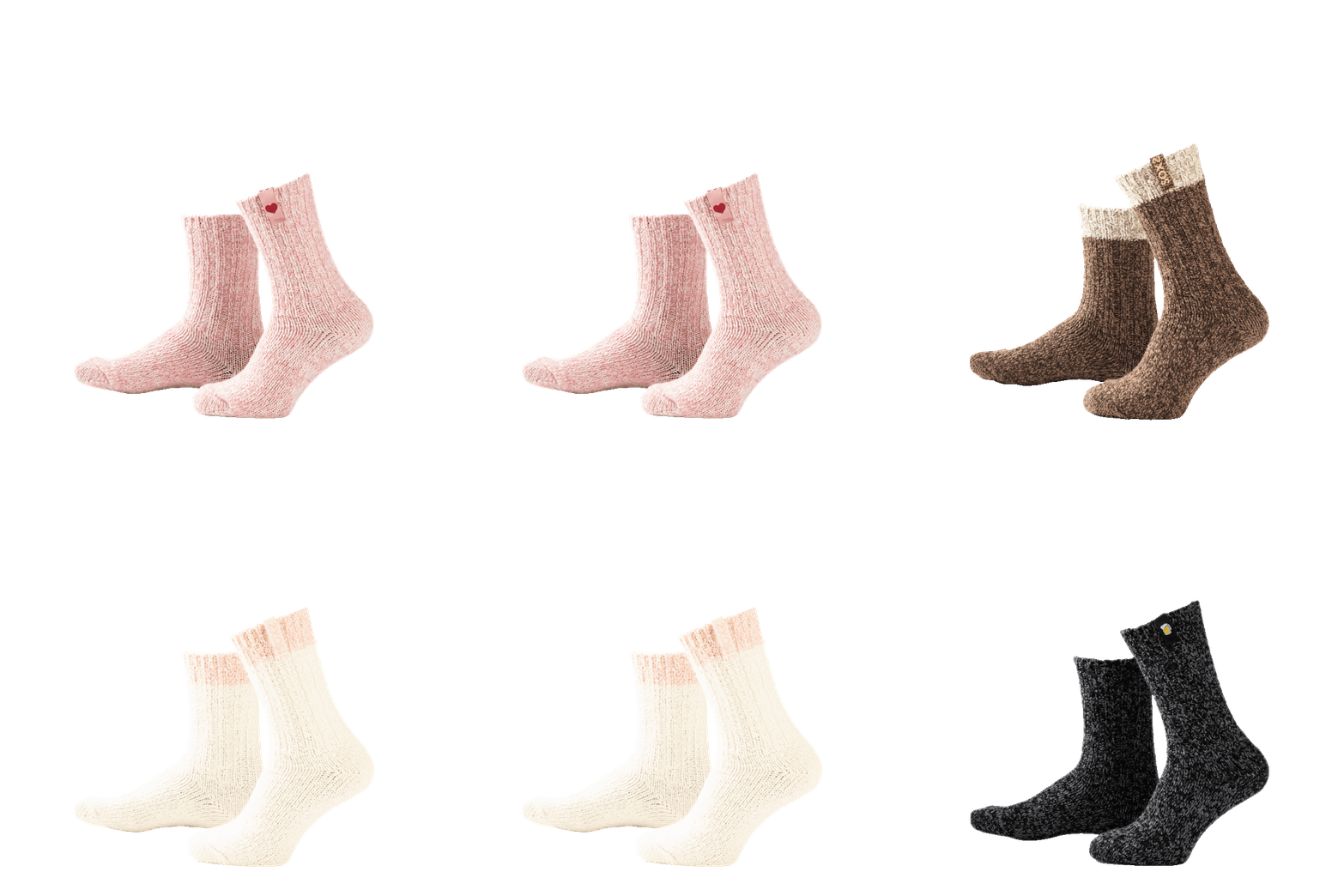
Soft warm premium wool socks
Gift ready, stylishly packaged
Orders placed before 1:00 PM will be shipped today (on weekdays) PLEASE NOTE: The delivery time of Pimp My Soxs is 5 working days!

Wool socks offer significant benefits for people with rheumatism by providing consistent warmth, gentle compression, and moisture-wicking properties that help reduce joint stiffness and pain. The natural fibres maintain optimal foot temperature while supporting healthy blood circulation, which can alleviate common rheumatic symptoms like morning stiffness and temperature sensitivity.
Rheumatism is an umbrella term covering various conditions that cause pain, stiffness, and inflammation in joints, muscles, and connective tissues. Common forms include rheumatoid arthritis, osteoarthritis, and fibromyalgia. These conditions create daily challenges through persistent aching, morning stiffness, and sensitivity to temperature changes that can make simple activities uncomfortable.
People with rheumatic conditions often experience their worst symptoms during weather changes, particularly when temperatures drop. Your joints may feel stiff and painful, especially in the morning or after periods of inactivity. This discomfort affects everything from walking and climbing stairs to getting dressed and performing work tasks.
Temperature sensitivity is particularly troublesome for rheumatism sufferers. Cold conditions can trigger increased pain and stiffness, making it harder to maintain mobility and comfort throughout the day. This is why keeping extremities warm, especially feet, becomes so important for managing symptoms effectively.
Wool’s natural properties provide multiple benefits for rheumatism pain relief through consistent temperature regulation, moisture management, and gentle compression. The fibres create a microclimate around your feet that maintains steady warmth whilst allowing skin to breathe, reducing the temperature fluctuations that can trigger joint pain.
The natural crimp in wool fibres creates tiny air pockets that trap warm air close to your skin. This insulation works both ways, keeping feet warm in cold conditions and preventing overheating when temperatures rise. For people with rheumatic conditions, this consistent temperature helps prevent the joint stiffness that occurs when extremities get cold.
Wool also naturally wicks moisture away from skin whilst maintaining its insulating properties even when damp. This prevents the clammy feeling that can worsen discomfort and helps maintain the steady warmth that keeps joints mobile. The gentle, natural compression from quality wool socks supports blood flow without restricting circulation.
Cold temperatures affect rheumatism symptoms by thickening joint fluid, tightening muscles, and reducing blood circulation to affected areas. When synovial fluid becomes more viscous in cold conditions, joints move less smoothly, creating increased stiffness and pain. Reduced blood flow also means less oxygen and nutrients reach inflamed tissues.
Your body’s natural response to cold is to redirect blood flow away from extremities towards vital organs. This leaves hands and feet with reduced circulation, which can trigger pain flares in people with rheumatic conditions. Cold also causes muscles and tendons to contract, putting additional pressure on already sensitive joints.
Barometric pressure changes that often accompany cold weather can also affect joint tissues. Lower atmospheric pressure allows tissues to expand slightly, which can increase pressure within joints and worsen pain. Keeping feet consistently warm helps maintain better overall circulation and can reduce these weather-related symptom flares.
Wool socks provide superior temperature regulation and natural cushioning compared to synthetic materials, making them particularly beneficial for people with joint pain. Unlike cotton or synthetic fibres, wool maintains its insulating properties even when damp and naturally resists odour-causing bacteria.
Regular cotton socks lose their warmth when they become moist from perspiration and can create hot spots or cold patches that trigger discomfort. Synthetic materials often trap heat excessively or fail to provide adequate insulation, creating temperature fluctuations that can worsen rheumatic symptoms.
Quality wool socks offer natural antibacterial properties, reducing the risk of foot problems that could complicate mobility issues. The natural elasticity of wool provides gentle, consistent compression that supports circulation without creating tight spots that might restrict blood flow. This combination of properties makes wool particularly suitable for people who need consistent comfort and temperature control.
Modern wool blends combine traditional sheep’s wool with small amounts of synthetic fibres to eliminate itchiness whilst maintaining wool’s beneficial properties. This creates socks that provide therapeutic benefits without the scratchy feeling that sometimes puts people off pure wool products.
When selecting wool socks for rheumatism comfort, prioritise merino wool or quality sheep’s wool blends that offer softness without itching. Look for socks with cushioning in heel and toe areas, as these provide extra comfort for sensitive feet whilst maintaining proper fit throughout the day.
Choose socks with a small percentage of synthetic fibres like polyamide or elastane. This blend provides wool’s natural benefits whilst ensuring durability and maintaining shape after washing. Pure wool socks can be too delicate for daily wear and may lose their fit quickly.
Consider the compression level carefully. You want gentle, consistent pressure that supports circulation without feeling tight. Socks should fit snugly without creating pressure points at the cuff or around the toes. Medium-thickness socks often provide the best balance of warmth and comfort for daily wear.
Look for seamless toe construction or flat seams that won’t create pressure points. People with rheumatic conditions often have increased sensitivity, so smooth construction helps prevent irritation. Also consider whether you need different weights for various activities, lighter wool for indoor wear and thicker options for outdoor activities.
Quality wool socks can support healthy circulation through consistent warmth and gentle compression that encourages blood flow to extremities. Proper foot warmth helps maintain overall circulation, which is particularly important for people with rheumatic conditions who may experience reduced blood flow to hands and feet.
When your feet stay consistently warm, blood vessels remain dilated, allowing better circulation throughout your lower extremities. This improved blood flow brings more oxygen and nutrients to tissues whilst helping remove inflammatory waste products that can contribute to pain and stiffness.
The gentle, elastic compression from wool fibres provides a massage-like effect that can stimulate circulation without restricting blood flow. This is different from tight synthetic socks that may actually impede circulation. Quality wool socks maintain this gentle pressure consistently throughout the day.
Better circulation in your feet can have positive effects throughout your body. When extremities are warm and well-circulated, your body doesn’t need to work as hard to maintain core temperature, which can help reduce overall inflammation and improve comfort levels for people managing rheumatic conditions.
Improved foot warmth and circulation can also contribute to better sleep quality, as cold feet often interfere with falling asleep. Better rest supports your body’s natural healing processes and can help you manage rheumatic symptoms more effectively during waking hours.
At SOXS, we understand how important proper foot comfort is for people managing rheumatic conditions. Our ethically sourced wool socks combine traditional New Zealand sheep’s wool with modern technology to create comfortable, non-itchy socks that provide consistent warmth and gentle support for better daily comfort.