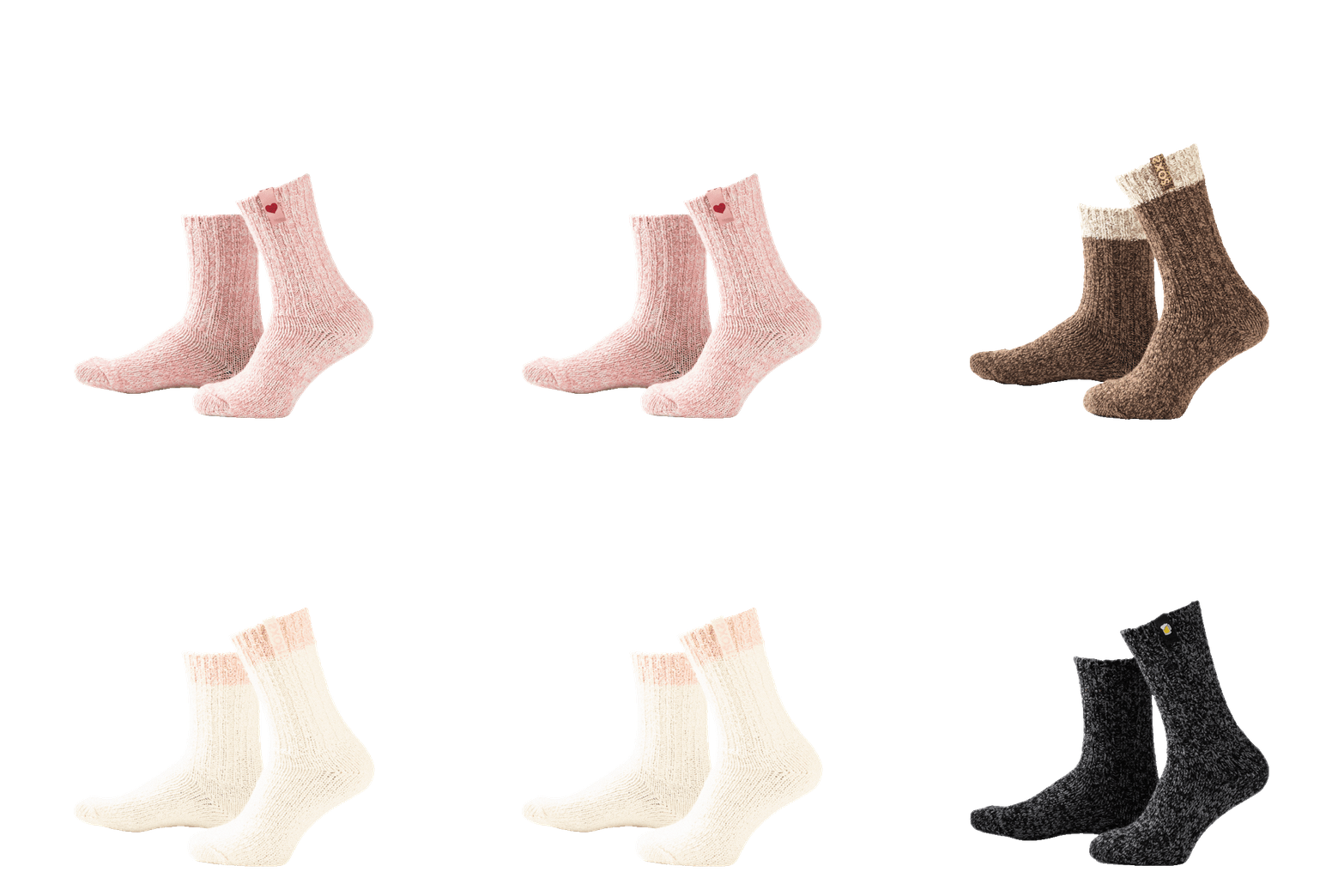
Soft warm premium wool socks
Gift ready, stylishly packaged
Orders placed before 1:00 PM will be shipped today (on weekdays) PLEASE NOTE: The delivery time of Pimp My Soxs is 5 working days!

Wool socks for necrosis provide important circulatory benefits through natural temperature regulation, moisture-wicking properties, and gentle compression that supports healthy blood flow. The breathable nature of wool helps prevent moisture buildup that can worsen foot conditions, while the natural elasticity avoids restricting circulation. This guide addresses common questions about using wool socks to support foot health when dealing with circulation problems.
Necrosis occurs when body tissue dies due to lack of blood supply, infection, or injury. In feet, this condition most commonly affects people with diabetes, peripheral artery disease, or other circulation disorders where blood flow becomes restricted to extremities.
Poor circulation creates a dangerous cycle for foot health. When blood flow decreases, your feet receive less oxygen and nutrients needed for healthy tissue function. This makes the skin more vulnerable to injury and slows healing processes significantly. Even minor cuts or pressure points can develop into serious wounds.
People with circulation problems often experience cold feet, numbness, or tingling sensations. These symptoms indicate that blood vessels are struggling to deliver adequate circulation to the extremities. Proper foot care becomes critical because reduced sensation means you might not notice injuries until they become severe.
Diabetic foot care requires particular attention since high blood sugar levels can damage both blood vessels and nerves. This combination of poor circulation and reduced feeling creates ideal conditions for unnoticed injuries to develop into serious complications.
Wool socks support circulation through natural temperature regulation, moisture management, and gentle elasticity that doesn’t restrict blood flow. Unlike synthetic materials, wool maintains consistent warmth without overheating, helping blood vessels function optimally while preventing the moisture buildup that can lead to skin problems.
The temperature-regulating properties of wool work by trapping warm air close to your skin while allowing excess heat to escape. This consistent warmth helps blood vessels dilate properly, improving circulation to your feet throughout the day. Wool naturally adapts to your body temperature, providing warmth in cold conditions and breathability when temperatures rise.
Moisture-wicking abilities prevent the damp conditions that encourage bacterial growth and skin breakdown. Wool fibres naturally move moisture away from your skin while maintaining their insulating properties even when slightly damp. This keeps your feet dry and comfortable, reducing the risk of infections that can be particularly dangerous for people with circulation issues.
Quality wool socks also provide gentle, even pressure without creating tight bands that restrict blood flow. The natural elasticity of wool allows socks to move with your feet while maintaining their shape, avoiding the compression points that can worsen circulation problems.
Wool offers superior breathability, natural antimicrobial properties, and gentleness compared to synthetic materials. These characteristics make wool particularly beneficial for people with sensitive feet or circulation concerns, as synthetic fabrics often trap moisture and can cause irritation that leads to skin breakdown.
The breathable structure of wool allows air circulation around your feet, preventing the stuffy, overheated conditions that synthetic materials often create. This airflow helps maintain healthy skin temperature and prevents excessive sweating that can soften skin and make it more vulnerable to injury.
Natural antimicrobial properties in wool help prevent bacterial and fungal growth without chemical treatments. The protein structure of wool naturally resists odour-causing bacteria, keeping your feet healthier and more comfortable. This is particularly important for people with diabetes or circulation problems who are at higher risk for foot infections.
Wool fibres are naturally softer and less irritating than many synthetic materials. They don’t create the rough texture or static buildup that can cause friction and skin irritation. For people with reduced sensation in their feet, this gentleness helps prevent unnoticed rubbing that could develop into pressure sores.
Additionally, wool maintains its beneficial properties through multiple washes, while synthetic materials often lose their shape and become less comfortable over time.
Select wool socks with proper thickness for your footwear, seamless toe construction, and gentle compression that supports circulation without restriction. Look for socks made from high-quality wool blends that provide durability while maintaining the natural benefits of wool for sensitive feet.
Sock thickness should match your footwear to prevent tight spots that restrict circulation. Medium-weight wool socks work well for most everyday shoes, while thinner options suit dress shoes better. Avoid overly thick socks that make shoes feel tight, as this pressure can worsen circulation problems.
Seamless toe construction eliminates pressure points that can cause irritation or injury. Traditional toe seams can create ridges that press against sensitive skin, particularly problematic for people with reduced sensation. Flat or seamless toe areas distribute pressure evenly across your foot.
Proper fit means the sock stays in place without bunching or sliding down, which can create friction points. Look for socks with gentle elastic that holds them up without creating tight bands around your calf or ankle. The sock should feel snug but never restrictive.
Quality wool blends often combine wool with small amounts of synthetic fibres for durability and fit retention. A blend with wool provides excellent temperature regulation and moisture management while maintaining shape and preventing excessive wear.
Combine wool sock wearing with daily foot inspection, proper washing routines, regular moisturising, and prompt attention to any changes in your feet. This comprehensive approach helps prevent problems before they develop into serious complications, particularly important for people with circulation concerns.
Daily foot inspection should include checking between toes, examining the soles of your feet, and looking for any cuts, blisters, or colour changes. Use a mirror if needed to see all areas clearly. Pay attention to any new spots, swelling, or areas that feel different from normal.
Proper sock and foot washing involves gentle cleansing with lukewarm water and thorough drying, especially between toes. Change wool socks daily to maintain hygiene and allow each pair to air dry completely. Clean, dry feet combined with fresh wool socks create the best environment for healthy circulation.
Regular moisturising keeps skin supple and prevents cracking, but avoid applying lotion between toes where trapped moisture can cause problems. Use a gentle, unscented moisturiser on the tops and bottoms of your feet, allowing it to absorb completely before putting on socks.
Monitor your feet for any changes in temperature, colour, or sensation. Seek medical attention promptly if you notice persistent coldness, unusual pain, wounds that don’t heal, or any signs of infection such as redness, warmth, or swelling.
SOXS provides the complete solution for people dealing with circulation problems and sensitive feet through our specially designed wool sock collections. Our therapeutic wool socks combine the natural benefits of premium wool with innovative construction techniques that support healthy blood flow while preventing common foot complications. Key features include:
Understanding the benefits of wool socks for circulation problems helps you make informed choices about foot care. Quality wool socks provide natural temperature regulation, moisture management, and gentle comfort that supports healthy blood flow. When combined with proper daily foot care habits, wool socks become an important part of maintaining foot health for people with circulation concerns. At SOXS, we’ve developed wool sock blends that provide these circulation benefits without the itchiness often associated with traditional wool, making them suitable even for people with wool sensitivities. You can explore our complete range of therapeutic wool socks in our shop, where we offer various options designed specifically for people with circulation concerns and sensitive feet.