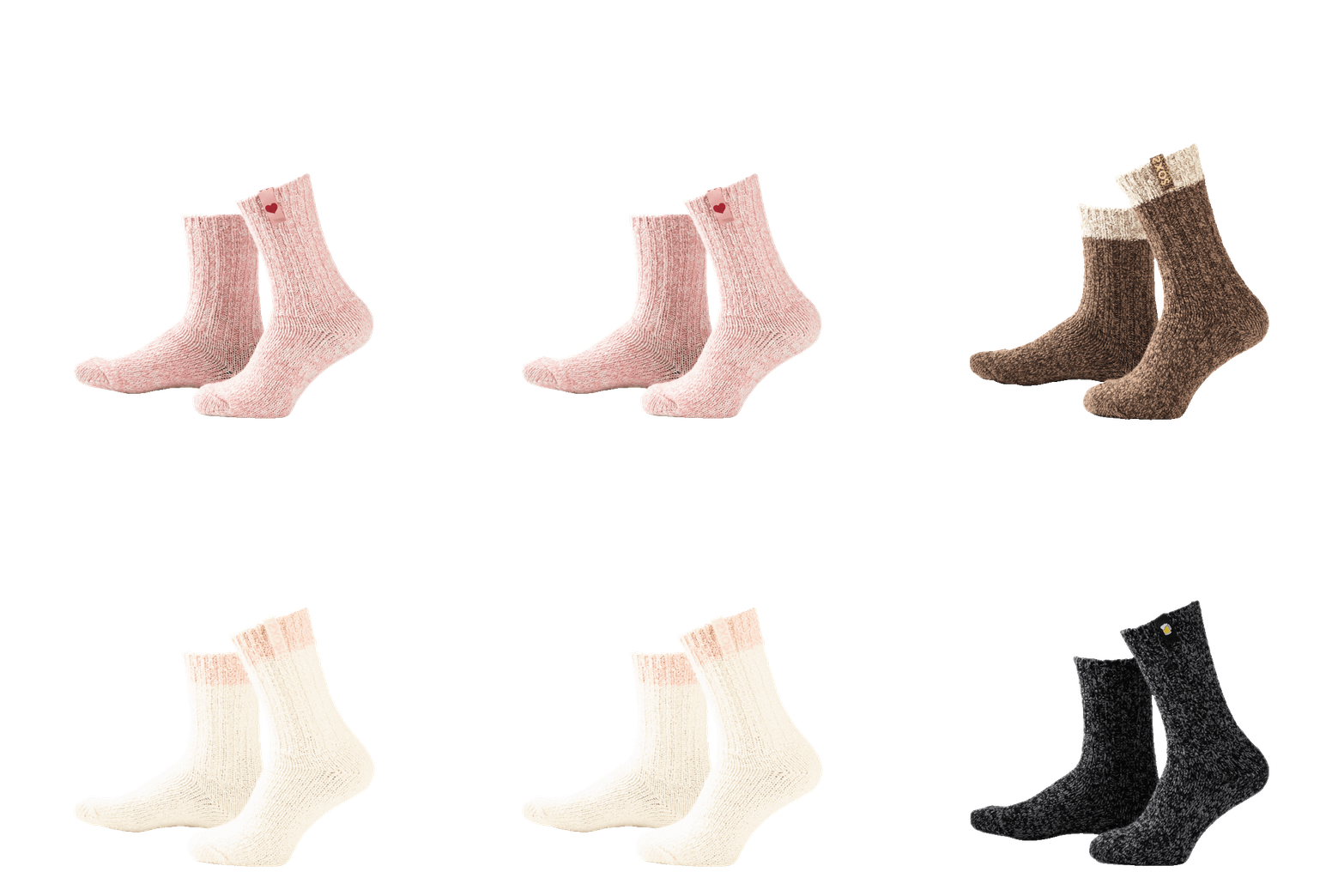
Soft warm premium wool socks
Gift ready, stylishly packaged
Orders placed before 1:00 PM will be shipped today (on weekdays) PLEASE NOTE: The delivery time of Pimp My Soxs is 5 working days!

Wool socks for eczema offer natural moisture-wicking and temperature regulation properties that help prevent the damp, irritating conditions that trigger eczema flare-ups. Quality wool naturally manages foot moisture while maintaining optimal skin temperature, reducing inflammation and discomfort. Modern wool blends eliminate traditional itchiness concerns, making them suitable for sensitive eczema-prone skin when properly selected and cared for.
Wool’s unique fibre structure creates a natural barrier against eczema triggers through superior moisture management and antibacterial properties. Unlike synthetic materials that trap moisture against the skin, wool actively wicks perspiration away whilst allowing air circulation around your feet.
The natural lanolin in wool provides gentle antimicrobial benefits, reducing bacteria that can worsen eczema symptoms. Wool fibres also regulate temperature more effectively than cotton or synthetic alternatives, preventing the overheating that often leads to scratching and skin irritation.
Quality wool maintains its beneficial properties through repeated washing when cared for properly. The breathable structure prevents the humid environment where eczema typically thrives, whilst the natural elasticity reduces friction points that might irritate sensitive skin.
Wool fibres absorb up to 30% of their weight in moisture without feeling damp, keeping your feet dry whilst preventing the sudden temperature changes that trigger eczema reactions. This moisture management happens through wool’s unique cellular structure that moves perspiration away from skin contact.
The natural crimped structure of wool creates tiny air pockets that insulate whilst allowing airflow. This means your feet stay warm in cold conditions but don’t overheat during activity, both important factors for preventing eczema flare-ups triggered by temperature extremes.
When your feet sweat, wool releases this moisture gradually into the air rather than letting it accumulate against your skin. This steady moisture control prevents the damp conditions where bacteria multiply and eczema symptoms worsen. The temperature regulation also reduces the urge to scratch, breaking the itch-scratch cycle that aggravates eczema.
Merino wool and wool blends work best for eczema-prone skin because their finer fibres reduce irritation compared to traditional coarser wools. Pure merino wool fibres are typically 18 to 24 microns in diameter, making them much gentler against sensitive skin than standard wool at 25 to 40 microns.
Modern wool blends that combine natural wool with synthetic fibres like polyamide often provide the best results for eczema sufferers. These blends maintain wool’s beneficial moisture-wicking properties whilst eliminating the scratchy feeling that pure wool can sometimes cause on very sensitive skin.
Avoid coarser wool types like traditional sheep’s wool or rough woollen socks, as these can irritate eczema-prone skin through friction. Look for wool that’s specifically treated to be itch-free, as many manufacturers now use processes that smooth the fibre surface without compromising the natural benefits.
Cashmere blends offer another gentle option, though they’re typically more expensive. The key is finding wool that feels soft against your skin during initial contact. If it feels scratchy in the shop, it won’t improve with wear.
Choose wool socks with smooth, flat seams or seamless construction to minimise friction points that can irritate eczema-prone skin. The seam placement around the toe area is particularly important, as rough seams here can cause rubbing and inflammation during walking.
Look for medium-weight wool socks rather than very thick ones, as excessive bulk can create pressure points and reduce breathability. The sock should fit snugly without being tight, allowing proper circulation whilst preventing bunching that leads to friction.
Check the fibre composition carefully. Blends containing 40 to 60% wool with synthetic fibres often provide the best balance of natural benefits and comfort for sensitive skin. Avoid socks with rough elastic bands that might constrict circulation or irritate the ankle area.
Consider socks specifically marketed as hypoallergenic or suitable for sensitive skin. These often undergo additional processing to ensure smoothness whilst maintaining wool’s natural moisture-wicking properties. The investment in quality wool socks typically pays off through improved comfort and reduced eczema symptoms.
Wash wool socks by hand or use a gentle wool cycle at maximum 30°C to preserve the natural fibres that provide eczema relief. Use wool-specific detergent rather than regular washing powder, as harsh chemicals can break down wool’s beneficial properties and make fibres rougher against sensitive skin.
Turn socks inside out before washing to protect the surface that contacts your skin. Avoid fabric softeners, which can coat wool fibres and reduce their natural moisture-wicking abilities. Instead, add a small amount of white vinegar to the rinse cycle to maintain softness naturally.
Never put wool socks in the tumble dryer because the heat damages the fibre structure and can cause shrinkage that creates uncomfortable pressure points. Instead, gently squeeze out excess water and lay flat to dry away from direct heat sources.
Store clean, dry wool socks in breathable containers rather than plastic bags to prevent moisture buildup that encourages bacteria growth. Rotate between multiple pairs to allow each pair to air out completely between wears, maintaining the hygienic conditions important for eczema management.
Finding the right wool socks can significantly improve comfort for eczema sufferers through natural moisture management and temperature regulation. The key lies in selecting quality materials, proper fit, and maintaining the socks correctly to preserve their beneficial properties. When you choose wool socks designed for sensitive skin, you’re investing in a natural solution that works with your body’s needs rather than against them. At SOXS, we understand the importance of comfort for sensitive skin, which is why our humanely sheared wool socks combine traditional New Zealand wool with modern technology to eliminate itchiness whilst maintaining all the natural benefits that help manage eczema symptoms.