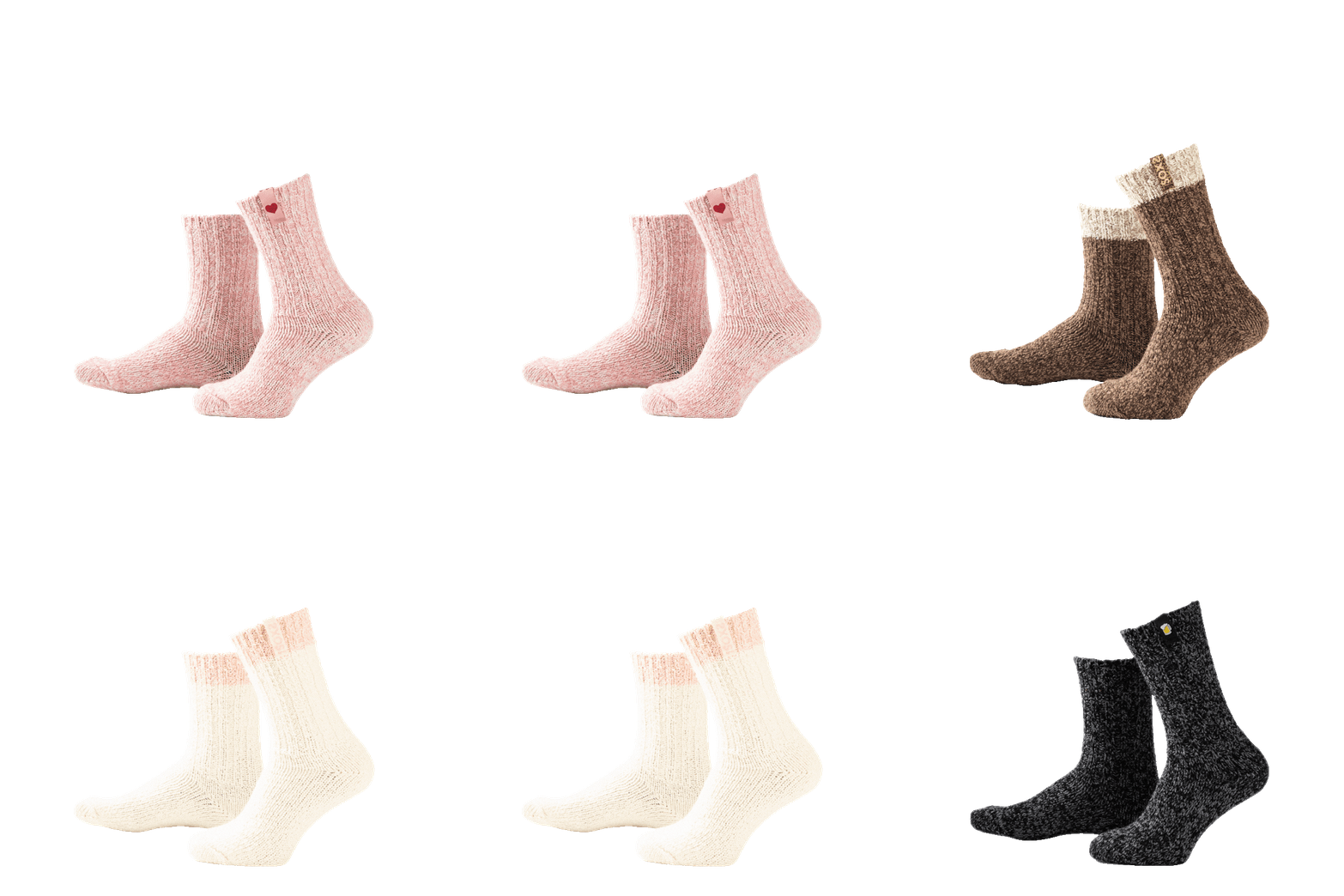
Soft warm premium wool socks
Gift ready, stylishly packaged
Orders placed before 1:00 PM will be shipped today (on weekdays) PLEASE NOTE: The delivery time of Pimp My Soxs is 5 working days!

Wool socks offer superior warmth for cold feet through their unique natural insulation properties that trap warm air whilst allowing breathability. Unlike cotton or synthetic materials, wool maintains warmth even when damp and naturally regulates temperature. The benefits include moisture-wicking capabilities, long-lasting comfort, and effective circulation support for people with chronically cold feet.
Wool’s unique fibre structure creates natural air pockets that trap warm air around your feet whilst allowing moisture to escape. The crimped shape of wool fibres forms thousands of tiny insulating chambers that cotton and synthetic materials simply cannot replicate.
When you compare thermal efficiency, wool outperforms cotton by maintaining insulation even when wet. Cotton loses its warming properties once damp, leaving your feet cold and uncomfortable. Synthetic materials often trap moisture against your skin, creating a clammy feeling that actually makes you feel colder.
Wool’s natural breathability works through its hygroscopic properties, meaning it can absorb up to 30% of its weight in moisture without feeling wet. This keeps your feet in a comfortable microclimate regardless of external conditions. The natural elasticity of quality wool fibres also means they spring back into shape, maintaining those important air pockets that provide insulation.
Wool naturally wicks moisture away from your skin and releases it into the air, preventing the buildup of sweat that leads to cold, damp feet. This moisture management system works because wool fibres can absorb vapour from your skin whilst remaining dry to the touch.
The temperature regulation happens through wool’s unique ability to react to your body heat. When your feet get warm, wool releases moisture to cool them down. When they’re cold, wool traps warm air to heat them up. This natural thermostat effect means you avoid the overheating that often leads to sweaty feet in synthetic socks.
Even when wool does become damp from perspiration, it continues to insulate effectively. This is completely different from cotton socks, which become cold and uncomfortable when wet. Quality wool blends maintain their warming properties throughout the day, preventing that cycle of sweating and cooling that makes feet uncomfortable.
Merino wool fibres are significantly finer than regular wool, measuring less than 24 microns in diameter compared to 30+ microns for standard wool. This finer structure eliminates the scratchy, itchy sensation that puts many people off wool socks entirely.
The softness difference is immediately noticeable when you put on merino wool socks. Regular wool can feel rough against sensitive skin, especially around the toes and heel areas where friction occurs. Merino wool feels smooth and comfortable from the moment you put it on.
For all-day wear, merino wool offers superior comfort because it doesn’t irritate skin even during extended periods of activity. The finer fibres bend easily rather than poking into your skin. Modern wool blends combine merino with small amounts of synthetic fibres to add durability whilst maintaining the natural comfort and warmth benefits.
For people with circulation issues or chronically cold feet, quality wool socks provide excellent value through their superior insulation and durability. A good pair of wool socks can last several years with proper care, making the higher initial cost worthwhile.
The health benefits extend beyond simple warmth. Wool socks help maintain proper foot temperature, which supports healthy circulation. Unlike heated insoles that provide artificial warmth, wool works with your body’s natural heating system to maintain comfortable temperatures.
When you calculate cost per wear, wool socks often prove more economical than cheaper alternatives that need frequent replacement. Quality wool blends maintain their shape and insulating properties through hundreds of washes, whilst cotton socks lose their effectiveness quickly. For people who struggle with cold feet daily, this long-term performance makes wool socks a practical investment in comfort and foot health.
Hand washing or using a wool-specific machine cycle preserves wool’s natural structure and insulating properties. Use cool water (maximum 30°C) and wool detergent to avoid damaging the fibres that create those important air pockets for warmth.
The washing process should be gentle to maintain wool’s natural elasticity. If using a washing machine, select the wool programme and limit spinning to 600 revolutions per minute maximum. Harsh agitation breaks down the fibre structure that makes wool so effective at trapping warm air.
Never put wool socks in the tumble dryer, as heat and agitation will cause them to shrink and lose their insulating properties. Instead, gently squeeze out excess water and lay flat to dry away from direct heat sources. This preserves the natural crimp in wool fibres that creates effective insulation.
Store your wool socks properly by keeping them clean and dry. Wool naturally resists odours, so you don’t need to wash them after every wear. Allowing them to air between uses helps maintain their shape and effectiveness.
Wool socks work best for everyday warmth and situations where you need consistent, natural temperature regulation without relying on batteries or external power sources. They’re ideal for long periods of wear when artificial heating might become uncomfortable or impractical.
Choose wool for activities where your feet might get damp, such as hiking or working outdoors. Unlike heated insoles that can malfunction when wet, wool continues providing insulation even in challenging conditions. The natural breathability also prevents overheating during physical activity.
Heated insoles work better for severe circulation problems or extremely cold conditions where natural insulation isn’t sufficient. However, for most people with cold feet, wool socks provide a more comfortable, sustainable solution that works around the clock without maintenance or charging.
Consider your lifestyle when making this choice. If you’re active throughout the day, wool socks adapt to changing conditions automatically. If you’re sedentary in very cold environments, heated solutions might provide the extra boost you need.
Wool socks offer a natural, effective solution for cold feet through superior insulation, moisture management, and temperature regulation. The investment in quality wool pays off through durability, comfort, and consistent warmth that works with your body rather than against it. At SOXS, we combine traditional New Zealand sheep’s wool with modern technology to create socks that provide all the benefits of wool without the drawbacks, giving you the warmest, most comfortable feet possible.