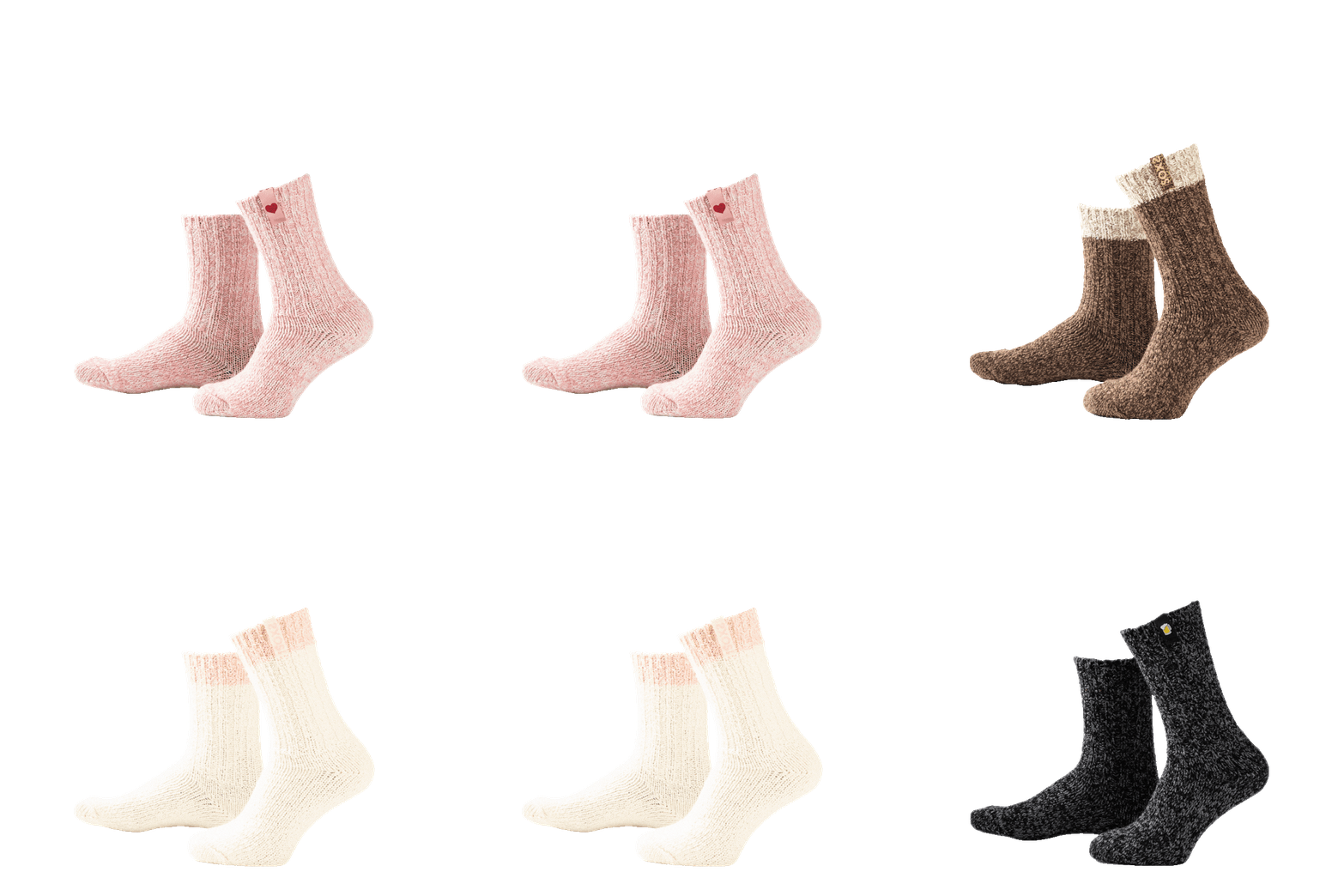
Soft warm premium wool socks
Gift ready, stylishly packaged
Orders placed before 1:00 PM will be shipped today (on weekdays) PLEASE NOTE: The delivery time of Pimp My Soxs is 5 working days!

Wool socks replacement becomes necessary when visible damage like holes or thinning fabric appears, or when performance decreases with reduced cushioning, poor moisture-wicking, or loose fit. Most quality wool socks last 6-12 months with regular use, but proper care can extend their lifespan significantly. Recognising these replacement signs helps maintain foot comfort and sock performance.
The clearest indicators for wool socks replacement include visible holes, worn-through heel or toe areas, and significantly thinned fabric that feels fragile when stretched. Other obvious signs are frayed seams, permanent staining that won’t wash out, and colour fading that makes socks look worn and tired.
Holes typically develop first in high-friction areas like heels and toes where your foot rubs against shoes most. Even small holes will quickly expand with wear, making socks uncomfortable and less effective at temperature regulation. Thinning fabric often appears as translucent patches where you can see through the wool fibres.
Frayed seams around the toe box or along the sock sides indicate the construction is failing. This happens when the elastic polyamide fibres break down, causing the wool blend to lose its structural integrity. When seams start unravelling, the sock won’t maintain its shape or provide proper fit.
Permanent discolouration from sweat, dirt, or other substances can also signal replacement time. While wool naturally resists odours and stains, persistent marks that survive proper washing indicate the fibres have absorbed substances that compromise their performance.
Functional decline in wool socks shows through reduced cushioning underfoot, decreased warmth retention, poor moisture management, and loose fit that causes bunching or slipping. When socks no longer provide the comfort and performance you expect, replacement becomes necessary regardless of visual appearance.
Loss of cushioning happens gradually as the wool fibres compress and lose their natural bounce. You’ll notice less padding under your heel and forefoot, making shoes feel harder and less comfortable. This compression also reduces the sock’s insulating properties since trapped air provides much of wool’s warmth.
Moisture-wicking problems develop when wool fibres become saturated with oils and residue that block their natural ability to move moisture away from skin. Your feet may feel damper or develop odours more quickly than when the socks were new.
Poor fit manifests as socks that slide down in shoes, bunch up around toes, or feel loose around the ankle. The elastic polyamide component loses its stretch over time, causing the sock to lose its snug, supportive feel. This poor fit can lead to blisters and hot spots during activity.
Temperature regulation failure is another key indicator. If your feet feel cold in previously warm socks or overly hot when they used to breathe well, the wool’s natural temperature-regulating properties have diminished.
Sock durability varies significantly based on wool quality, construction methods, usage patterns, and care practices. Higher-quality wool blends with proper polyamide reinforcement last longer than pure wool or cheaply made alternatives. Your activity level and shoe fit also dramatically impact sock lifespan.
Wool quality makes the biggest difference in sock longevity. Premium sheep’s wool from regions like New Zealand offers superior durability compared to lower-grade wool. The fibre length, processing methods, and blend ratios all affect how well socks withstand repeated wear and washing.
Construction techniques determine weak points in socks. Reinforced heel and toe areas with additional polyamide content resist wear better than socks with uniform construction. Seamless toe construction eliminates friction points that cause premature failure.
Usage patterns significantly impact wear rates. Daily wear in tight shoes creates more friction than occasional use in well-fitted footwear. Activities like hiking or running accelerate wear compared to office work or home use. People with foot conditions like excessive sweating or rough skin may experience faster sock deterioration.
Care practices either extend or shorten sock life dramatically. Proper washing with wool-specific detergent at low temperatures preserves fibres, while hot water, harsh detergents, or machine drying causes rapid degradation. Rotating between multiple pairs allows socks to recover their shape between wears.
Normal wear develops gradually over months with even thinning and minor pilling, while premature failure shows rapid deterioration, uneven wear patterns, or structural problems within weeks. Understanding this difference helps identify manufacturing defects versus expected aging and determines whether replacement timing is appropriate.
Expected wear patterns include gradual thinning at heel and toe contact points, minor pilling on surfaces that rub against shoes, and slow loss of elasticity over 6-12 months of regular use. The sock maintains its basic structure and most of its performance throughout this normal aging process.
Premature failure indicators include holes appearing within the first month, seams unravelling after minimal wear, excessive shrinkage despite proper care, or complete loss of elasticity after few washes. These problems suggest manufacturing defects or material quality issues.
Uneven wear patterns often indicate external factors like poorly fitted shoes, foot problems, or gait issues rather than sock quality problems. Rapid wear on one foot but not the other, or unusual wear locations, point to fit or biomechanical causes.
Colour bleeding, excessive pilling, or fabric breakdown after proper washing suggests manufacturing problems. Quality wool socks should maintain their appearance and structure through many wash cycles when cared for correctly.
Manufacturing defects might include loose knitting, weak seam construction, or poor-quality wool that breaks down quickly. These issues typically appear early in the sock’s life and affect performance immediately rather than developing gradually.
Proper care practices can double or triple wool sock lifespan through gentle washing, air drying, rotation between multiple pairs, and appropriate storage. Hand washing or using wool-specific machine cycles with cool water preserves fibres, while avoiding heat and harsh chemicals prevents premature breakdown.
Washing technique makes the biggest difference in sock longevity. Use wool-specific detergent and wash at maximum 30°C with gentle agitation. The wool cycle on washing machines provides optimal conditions with slow temperature changes and reduced spin speeds that prevent shock to the fibres.
Air drying is important for maintaining sock structure and preventing shrinkage. Lay socks flat on a towel away from direct sunlight and heat sources. Never use tumble dryers, as the heat causes wool fibres to felt and polyamide to lose elasticity.
Sock rotation allows pairs to recover their shape between wears. Having at least three pairs means each sock gets 48 hours to air out and return to its original form. This rest period prevents permanent compression and extends overall lifespan.
Proper storage in a drawer or breathable container prevents moth damage and maintains sock shape. Avoid cramming socks into tight spaces or storing them damp, which can lead to mildew or fibre breakdown.
For stubborn stains, treat spots gently with appropriate stain removers before washing rather than using harsh scrubbing that damages fibres. Address problems early to prevent permanent damage that would require replacement.
Understanding when wool socks need replacement helps you maintain foot comfort while getting maximum value from quality socks. By recognising both visual and functional decline signs, you can time replacements appropriately and use proper care techniques to extend sock life. At SOXS, we design our humanely sheared wool socks to provide long-lasting comfort and performance, supporting your active lifestyle while maintaining the high standards you expect from premium wool socks.