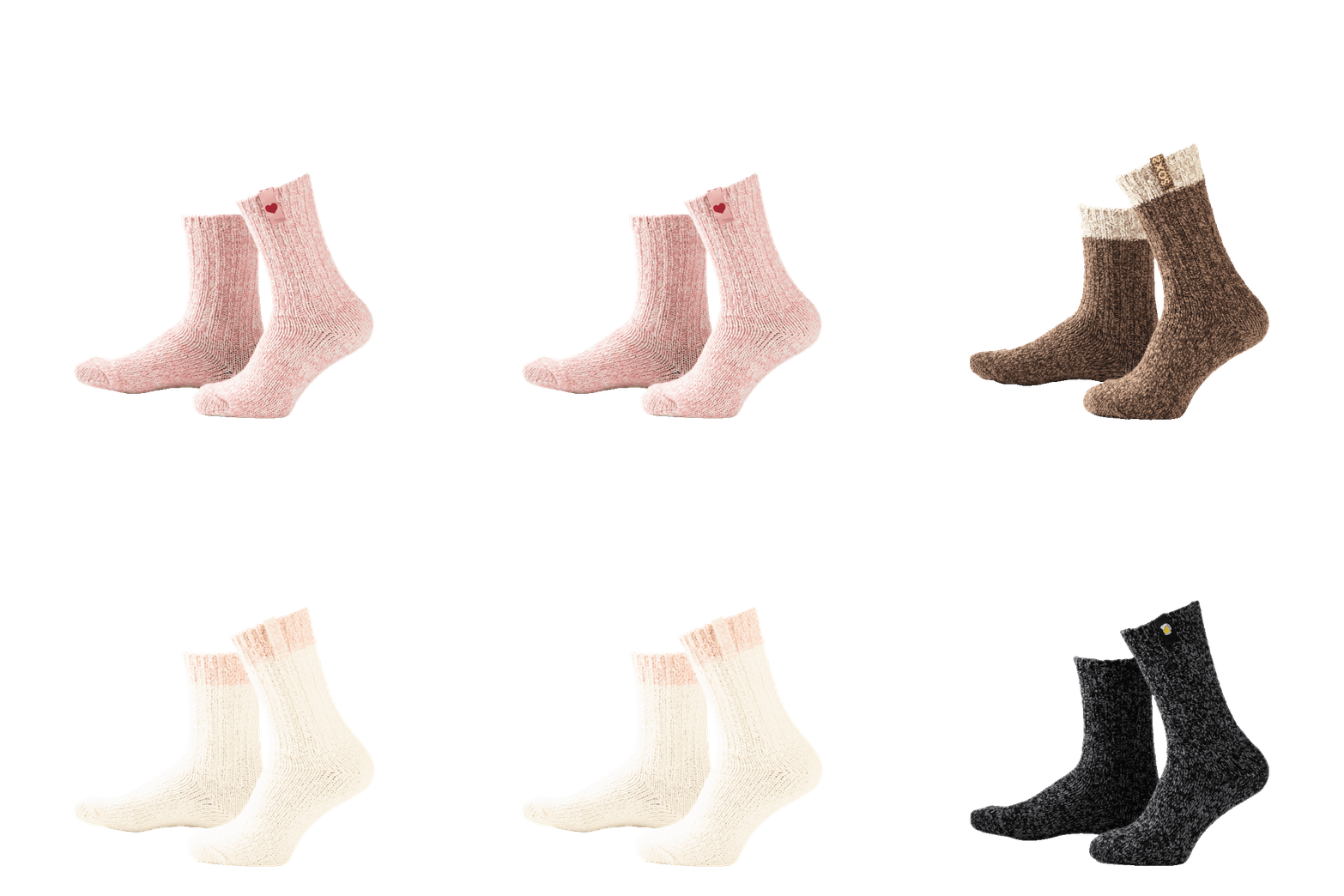
Soft warm premium wool socks
Gift ready, stylishly packaged
Orders placed before 1:00 PM will be shipped today (on weekdays) PLEASE NOTE: The delivery time of Pimp My Soxs is 5 working days!

Have you ever wondered why some wool socks seem to stay fresh longer than others? The secret lies in antimicrobial wool socks, a natural innovation that combines traditional comfort with modern hygiene benefits. These specially designed socks harness wool’s inherent properties to create a healthier environment for your feet.
Understanding antimicrobial wool socks can transform how you think about foot comfort and hygiene. Let’s explore what makes these socks special and why they might be the perfect addition to your sock drawer.
Antimicrobial wool socks are made from wool fibers that naturally resist bacteria, fungi, and other microorganisms that cause foot odor and infections. Unlike synthetic antimicrobial treatments, wool’s antimicrobial properties come from its natural fiber structure and composition, making these socks both effective and eco-friendly.
The antimicrobial effect in wool comes from several natural characteristics. Wool fibers contain lanolin, a waxy substance that sheep produce to protect their fleece. This lanolin has natural antibacterial properties that continue working even after the wool is processed into socks. Additionally, wool’s ability to wick moisture away from your skin creates an environment where bacteria struggle to multiply.
Merino wool, in particular, excels in antimicrobial performance. The fine structure of merino fibers allows for better moisture management while maintaining the natural protective qualities that make wool resistant to odor-causing bacteria. This combination makes antimicrobial wool socks ideal for extended wear without the unpleasant smells associated with synthetic materials.
Wool’s antimicrobial properties work through a combination of moisture management, pH balance, and natural compounds that create an inhospitable environment for bacteria and fungi. The fiber’s unique structure actively moves moisture away from your skin while maintaining a slightly acidic pH that bacteria dislike.
The science behind wool’s antimicrobial action involves several mechanisms. First, wool fibers can absorb up to 30% of their weight in moisture without feeling wet. This moisture-wicking ability prevents the damp conditions where bacteria thrive. As moisture moves through the fiber, it’s released into the air rather than sitting on your skin.
Wool’s natural pH of around 4.5 to 5.5 creates an acidic environment that inhibits bacterial growth. Most harmful bacteria prefer neutral to alkaline conditions, so wool’s natural acidity acts as a protective barrier. The amino acids present in wool protein also contribute to this antimicrobial effect by interfering with bacterial cell walls.
Temperature regulation plays another important role. Wool maintains a comfortable temperature around your feet, preventing the excessive heat and humidity that bacteria need to multiply rapidly. This natural thermostat effect keeps your feet in the optimal comfort zone while maintaining an environment hostile to microorganisms.
The main difference between antimicrobial wool and synthetic antimicrobial socks lies in how they achieve their bacteria-fighting properties. Wool’s antimicrobial qualities are inherent to the fiber itself, while synthetic socks rely on chemical treatments applied during manufacturing that can diminish over time with washing.
Synthetic antimicrobial socks typically use silver ions, copper compounds, or other chemical treatments to prevent bacterial growth. While effective initially, these treatments gradually wash out with repeated laundering, reducing the sock’s antimicrobial effectiveness. You might notice synthetic antimicrobial socks losing their odor-fighting power after several months of regular use.
Wool’s antimicrobial properties, however, are permanent features of the fiber structure. The natural compounds and pH characteristics that fight bacteria remain intact throughout the sock’s lifetime. This means wool socks maintain their antimicrobial benefits even after hundreds of washes, providing consistent protection year after year.
Environmental impact also differs significantly. Synthetic antimicrobial treatments can release chemicals into water systems during washing, while wool’s natural antimicrobial properties are completely biodegradable and eco-friendly. Wool socks also tend to last longer due to the fiber’s natural durability, making them a more sustainable choice overall.
Antimicrobial wool socks prevent foot odor by eliminating the bacteria that produce unpleasant smells when they break down sweat and dead skin cells. Wool’s natural antimicrobial properties kill these odor-causing bacteria before they can multiply and create the compounds responsible for foot odor.
Foot odor occurs when bacteria on your skin feed on moisture and organic matter, producing waste products with strong, unpleasant smells. The warm, moist environment inside most shoes creates perfect conditions for these bacteria to thrive. Antimicrobial wool socks disrupt this cycle by managing moisture and actively fighting bacterial growth.
The moisture-wicking properties of wool play an important role in odor prevention. By pulling sweat away from your skin and releasing it into the air, wool socks keep your feet drier. Less moisture means fewer bacteria can survive and reproduce, significantly reducing the source of foot odor.
Additionally, wool’s natural ability to resist retaining odors means that even if some bacteria are present, the smells don’t cling to the fabric the way they do with synthetic materials. You can often wear wool socks for multiple days without developing noticeable odors, making them perfect for travel, hiking, or situations where changing socks isn’t convenient.
Anyone who values foot hygiene, comfort, and long-lasting freshness should consider antimicrobial wool socks. They’re particularly beneficial for people with active lifestyles, those who work long hours in closed shoes, travelers, and anyone prone to foot odor or fungal infections.
Athletes and outdoor enthusiasts find antimicrobial wool socks especially valuable. The natural odor resistance allows for extended wear during multi-day hiking trips or intense training sessions without the embarrassment of smelly feet. The moisture-wicking properties also help prevent blisters and hot spots during physical activity.
People who work in professional environments where removing shoes is common, such as healthcare workers or those in cultures where shoes are removed indoors, appreciate the confidence that comes with naturally fresh feet. Business travelers also benefit from wool socks’ ability to maintain freshness during long flights and busy travel schedules.
Individuals with sensitive skin or those prone to athlete’s foot and other fungal infections often find relief with antimicrobial wool socks. The natural properties that fight bacteria also help prevent fungal growth, creating a healthier environment for your feet. The soft, non-irritating nature of quality wool also reduces friction and skin irritation.
Those seeking sustainable, eco-friendly clothing options will appreciate that antimicrobial wool socks provide superior performance without relying on chemical treatments. The natural durability of wool means these socks last longer than synthetic alternatives, making them both environmentally responsible and economical over time.
At SOXS, we understand the importance of combining natural antimicrobial benefits with exceptional comfort. Our merino wool socks harness these natural properties to keep your feet fresh, comfortable, and healthy throughout your day, whether you’re at home, at work, or exploring the great outdoors.