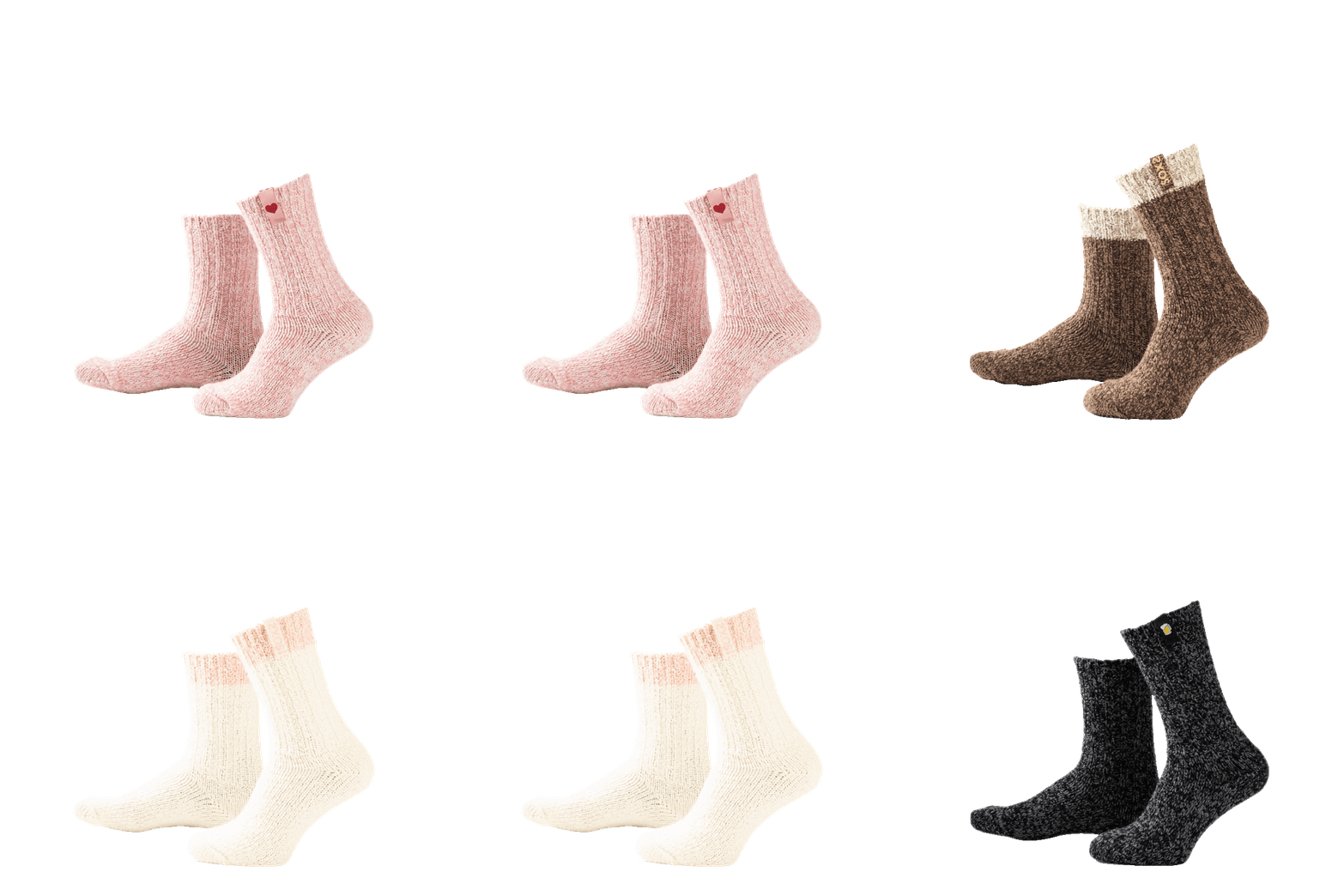
Soft warm premium wool socks
Gift ready, stylishly packaged
Orders placed before 1:00 PM will be shipped today (on weekdays) PLEASE NOTE: The delivery time of Pimp My Soxs is 5 working days!

Working in healthcare means your feet face unique challenges every day. Long shifts, enclosed footwear, and high-stress environments create the perfect conditions for bacterial and fungal growth. That’s where antimicrobial socks step in as your first line of defense against foot-related infections and discomfort.
These specially designed medical protection socks go beyond ordinary footwear. They actively fight harmful microorganisms while providing the comfort and durability you need during demanding workdays. Whether you’re a nurse on a twelve-hour shift or a surgeon standing for hours, the right antimicrobial socks can make a significant difference to your foot health and overall well-being.
Silver has been recognized for its antimicrobial properties for centuries, and modern textile technology harnesses this power in sock fibers. Silver ions naturally disrupt bacterial cell walls and prevent the formation of biofilms that cause odors and infections. When woven into sock material, these ions create a protective barrier that works continuously throughout your shift.
The beauty of silver-infused antibacterial socks lies in their durability. Unlike topical treatments that wash away, silver particles are embedded within the fibers themselves. This means your socks maintain their antimicrobial effectiveness wash after wash, making them a cost-effective investment for healthcare professionals.
Many silver-enhanced socks also feature moisture-wicking properties and cushioned soles, addressing the dual challenges of infection control and comfort. You’ll find these particularly beneficial during long surgical procedures or busy ward rounds where changing socks isn’t an option.
Copper offers another powerful natural solution for antimicrobial protection. This essential mineral actively kills bacteria, fungi, and viruses on contact, making copper-infused socks incredibly effective for infection control in medical environments. The antimicrobial action happens within minutes of contact, providing rapid protection against harmful pathogens.
What sets copper apart is its additional circulatory benefits. Copper naturally supports healthy blood flow, which can help reduce foot fatigue during extended periods of standing. This dual action makes copper-enhanced socks particularly valuable for surgical staff and emergency room workers who spend long hours on their feet.
The integration process involves spinning copper fibers directly into the sock material, ensuring even distribution and long-lasting effectiveness. Unlike some synthetic treatments, copper’s antimicrobial properties don’t diminish over time, providing consistent protection throughout the sock’s lifespan.
Merino wool brings inherent antimicrobial properties without any chemical treatments. The natural structure of wool fibers creates an environment that’s hostile to bacteria and fungi, while the lanolin content provides additional protective benefits. This makes merino wool an excellent choice for healthcare workers seeking natural antimicrobial protection.
Temperature regulation is another significant advantage of merino wool healthcare socks. The fibers naturally adapt to your body temperature, keeping feet warm in cold operating theaters and cool during intense activity. This thermoregulation helps prevent the excessive moisture that bacteria and fungi thrive in.
Merino wool can absorb up to 30% of its weight in moisture without feeling damp, keeping your feet dry and comfortable throughout long shifts. The breathable nature of wool fibers also prevents the buildup of odor-causing bacteria, ensuring your feet stay fresh even after demanding workdays.
Bamboo contains a natural antimicrobial compound called “bamboo kun” that provides inherent protection against bacteria and fungi. This bio-agent remains active even after processing into textile fibers, making bamboo socks naturally resistant to microbial growth without requiring additional chemical treatments.
The structure of bamboo fibers creates excellent breathability and moisture-wicking properties. Each fiber contains micro-gaps that allow air circulation while drawing moisture away from the skin. This creates an environment that’s less conducive to bacterial growth, supporting the natural antimicrobial properties.
For environmentally conscious medical professionals, bamboo offers the additional benefit of sustainability. Bamboo grows rapidly without pesticides and regenerates from its root system, making it an eco-friendly choice for protective footwear that doesn’t compromise on antimicrobial effectiveness.
Combining compression therapy with antimicrobial protection creates the ultimate solution for healthcare workers. Compression socks improve blood circulation, reduce swelling, and help prevent the formation of blood clots during long periods of standing or sitting. When enhanced with antimicrobial properties, they address both circulatory and hygiene concerns simultaneously.
The graduated compression design promotes healthy blood flow from the ankles upward, reducing leg fatigue and helping prevent the pooling of blood that can occur during extended shifts. This improved circulation also helps maintain optimal foot temperature and moisture levels, creating conditions less favorable for microbial growth.
Medical-grade compression socks with antimicrobial treatment are particularly beneficial for surgical staff, intensive care workers, and anyone whose role involves prolonged standing. The combination of circulatory support and infection control makes these socks an invaluable tool for maintaining foot health in demanding medical environments.
Healthcare workers with sensitive feet, diabetes, or circulation issues require special consideration when choosing hygiene socks. Seamless construction eliminates pressure points and reduces the risk of blisters, while antimicrobial properties provide essential protection against infections that could have serious consequences for vulnerable individuals.
The seamless design extends beyond comfort to safety. Without bulky seams, there’s less friction against the skin and a reduced risk of developing pressure sores or hot spots during long shifts. This is particularly important for healthcare workers who may have compromised circulation or sensory issues.
Many seamless antimicrobial socks feature additional padding in high-pressure areas like the heel and forefoot. This cushioning, combined with moisture-wicking properties and antimicrobial protection, creates an optimal environment for sensitive feet while maintaining the infection control standards required in medical settings.
Selecting the perfect antimicrobial socks depends on your specific work environment, personal preferences, and any underlying health conditions. Consider the length of your shifts, the type of footwear you wear, and whether you have any sensitivities to particular materials or treatments.
For maximum effectiveness, look for socks that combine antimicrobial properties with moisture-wicking capabilities and appropriate cushioning. The antimicrobial treatment should be durable enough to withstand frequent washing at the temperatures required for medical laundry protocols.
Remember that proper care maintains the effectiveness of your antimicrobial socks. Follow washing instructions carefully, avoid fabric softeners that can interfere with antimicrobial treatments, and replace socks when they show signs of wear. Investing in quality medical-grade socks with proven antimicrobial properties is an investment in your foot health and professional well-being.
SOXS provides comprehensive antimicrobial sock solutions specifically designed for healthcare professionals’ demanding needs. Our advanced antimicrobial protection combines multiple technologies to deliver superior infection control and comfort:
Replace antimicrobial socks every 6-12 months depending on usage frequency and washing cycles. Signs it’s time for new socks include persistent odors even after washing, visible wear in high-friction areas, loss of elasticity, or if you notice increased foot irritation. Medical-grade antimicrobial treatments are designed to last 100+ wash cycles, but heavy daily use in healthcare settings may require more frequent replacement.
Most quality antimicrobial socks are designed to withstand medical-grade washing temperatures (160°F/71°C). However, avoid bleach and fabric softeners as they can interfere with antimicrobial treatments. Use hospital-approved detergents and follow the manufacturer’s care instructions. Silver and copper-infused socks are particularly durable, while bamboo and merino wool may require gentler cycles.
Merino wool and bamboo fiber are the gentlest options for sensitive skin, as they provide natural antimicrobial protection without chemical treatments. Both materials are hypoallergenic and less likely to cause irritation. If you have metal sensitivities, avoid silver or copper-infused options. Always test new socks during shorter shifts first to ensure compatibility with your skin.
Quality antimicrobial socks protect against both bacterial and fungal infections. Silver, copper, and bamboo kun all have proven antifungal properties that help prevent athlete’s foot, toenail fungus, and other common fungal conditions. The moisture-wicking properties of these socks also create an environment less conducive to fungal growth by keeping feet dry.
Yes, but choose seamless designs with non-binding tops and avoid overly tight compression unless prescribed by your healthcare provider. Copper-enhanced socks may offer additional circulatory benefits, while seamless antimicrobial options reduce pressure points. Always consult your physician before using compression socks, and inspect your feet daily for any signs of irritation or infection.
Antimicrobial socks are generally safe for daily wear when made by reputable manufacturers. However, some people may experience initial skin sensitivity to silver or copper treatments. Natural options like merino wool and bamboo have the lowest risk of adverse reactions. If you experience persistent itching, redness, or irritation, discontinue use and consult a healthcare professional.
For general use, 15-20 mmHg compression is suitable for most healthcare workers and helps with mild swelling and fatigue. Higher compression levels (20-30 mmHg) should only be used with medical supervision. Consider your shift length, existing circulation issues, and comfort preferences. Start with lower compression and gradually increase if needed, always ensuring the socks don’t cause numbness or excessive tightness.