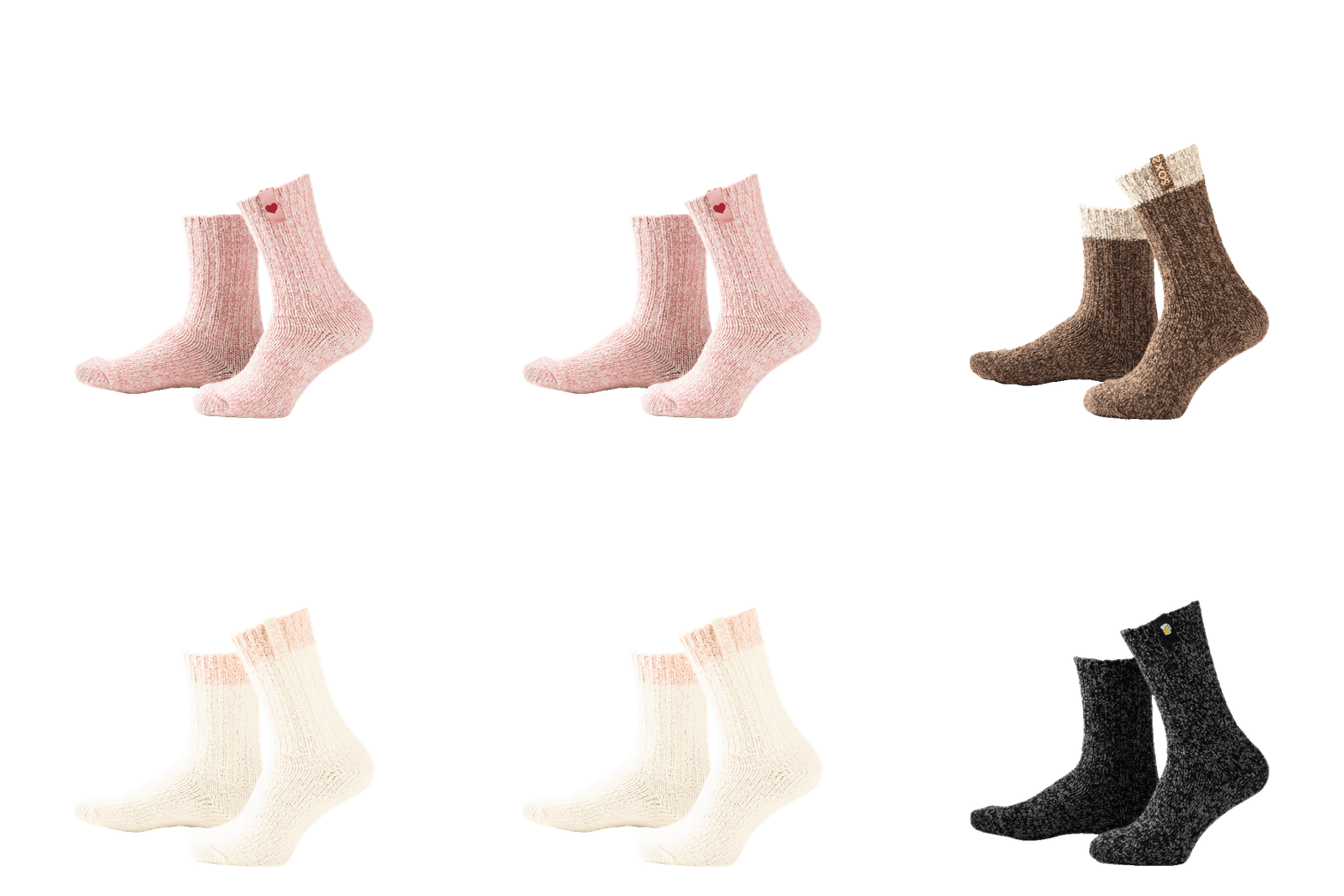
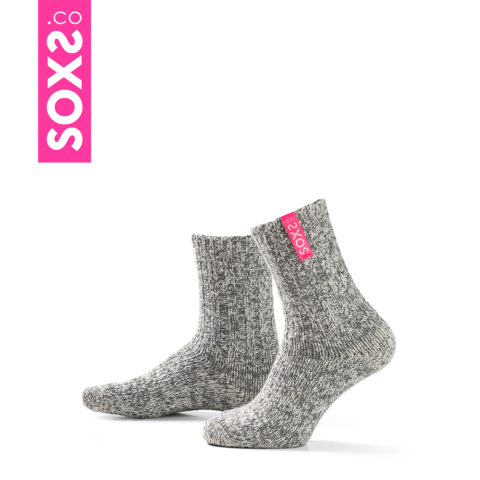
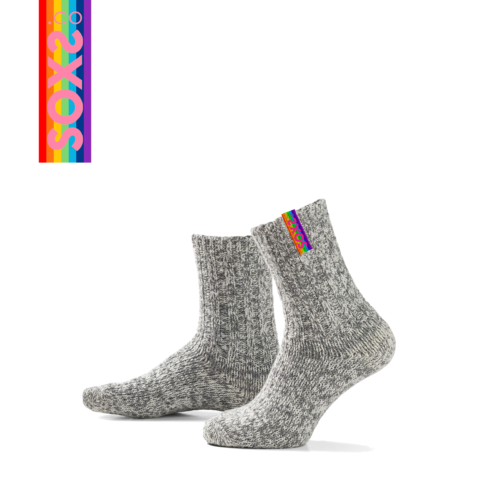
Soft warm premium wool socks
Gift ready, stylishly packaged
Orders placed before 1:00 PM will be shipped today (on weekdays) PLEASE NOTE: The delivery time of Pimp My Soxs is 5 working days!

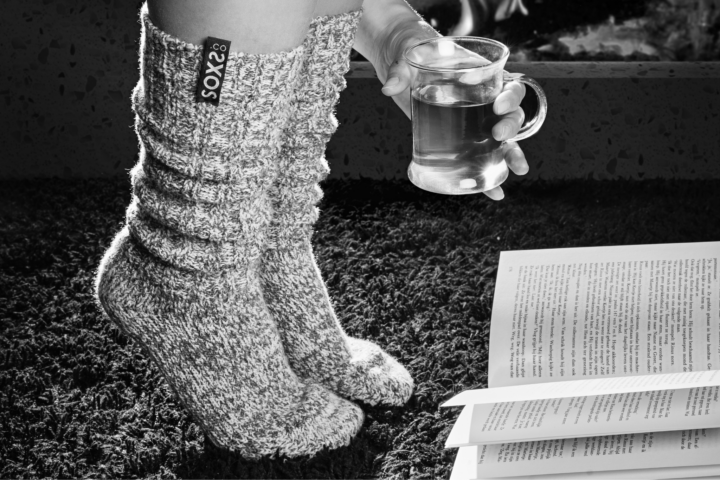
Your feet carry you through countless steps each day, but have you ever stopped to think about how your sock choice affects the blood flow in your legs? Poor circulation can lead to cold feet, swelling, discomfort, and even more serious health concerns over time. The good news is that choosing the right types of socks for circulation can make a significant difference in how your legs feel and function.
Different sock materials, fits, and designs directly impact blood flow in your legs. The roles of compression, breathability, and proper fit all contribute to circulatory health. Whether you’re dealing with poor circulation, spend long hours sitting or standing, or simply want to give your legs the best support possible, understanding these five types of socks will help you make informed choices for better leg health.
Graduated compression socks work by applying the strongest pressure at your ankle and gradually decreasing the compression as they move up your leg. This design helps push blood back toward your heart, fighting against gravity and supporting your natural circulatory system. The pressure levels typically range from 15 to 20 mmHg for mild support to 30 to 40 mmHg for more significant circulation issues.
These compression socks benefit people who spend long periods sitting at desks, standing at work, or those with diagnosed circulation problems. The graduated pressure helps prevent blood from pooling in your lower legs, reducing swelling and that heavy, tired feeling you might experience by day’s end. Many people find them particularly helpful during long flights or car journeys.
When choosing graduated compression socks, proper fit is crucial for effectiveness. They should feel snug but not painful, and you should be able to put them on without excessive struggle. If you’re new to compression wear, start with lighter compression levels and gradually work up to stronger support if needed.
Merino wool offers natural properties that promote better circulation through exceptional temperature regulation and moisture-wicking capabilities. Unlike synthetic materials that can trap heat and moisture, merino wool fibres naturally breathe, keeping your feet at an optimal temperature that supports healthy blood flow. The material can absorb up to 30% of its weight in moisture without feeling damp.
The gentle, natural compression that quality wool socks provide doesn’t restrict circulation the way tight synthetic socks might. Instead, the circulation benefits of wool socks come from the material’s ability to maintain consistent warmth without overheating, which helps keep blood vessels properly dilated for optimal flow. The soft fibres also reduce friction and pressure points that could impede circulation.
Temperature regulation is where merino wool truly shines for circulation support. Cold feet often indicate poor circulation, while overheated feet can cause blood vessels to work harder than necessary. Merino wool naturally maintains an ideal foot temperature, supporting your circulatory system’s efficiency throughout the day.
Diabetic socks feature specific design elements that support healthy circulation for people with diabetes or sensitive circulation needs. These socks typically have seamless construction to eliminate pressure points, non-binding tops that won’t constrict blood flow, and moisture management systems that keep feet dry and healthy.
The seamless toe construction prevents rubbing and hot spots that could restrict local blood flow or cause injuries. Non-binding tops mean these socks won’t leave marks on your legs or create tight bands that could impede circulation. Many diabetic socks also feature cushioned soles that provide support without adding bulk that might make shoes too tight.
Moisture management in diabetic socks is crucial for circulation health. Excess moisture can lead to skin problems and infections, which can further compromise circulation. These socks often use moisture-wicking materials or antimicrobial treatments to keep feet dry and healthy, supporting overall circulatory wellness.
Athletic compression socks combine performance features with circulation benefits, supporting blood flow during exercise and recovery periods. These socks typically offer moderate compression (15 to 25 mmHg) that enhances circulation without restricting movement during physical activity. The compression helps reduce muscle vibration and fatigue while promoting efficient blood return to the heart.
During exercise, your muscles need increased blood flow to perform optimally. Athletic compression socks support this process by helping prevent blood from pooling in your lower legs, ensuring fresh, oxygenated blood continues circulating efficiently. Many athletes report feeling less leg fatigue and faster recovery times when wearing these socks during and after workouts.
The materials used in athletic compression socks often include moisture-wicking synthetic blends or merino wool that keep feet dry and comfortable during intense activity. This moisture management is important for circulation because wet, cold feet can cause blood vessels to constrict, reducing circulatory efficiency.
Thermal socks promote circulation primarily through warmth retention and proper fit. When your feet are warm, blood vessels remain properly dilated, allowing for efficient blood flow throughout your legs. Cold feet cause blood vessels to constrict, reducing circulation and creating that uncomfortable cold, numb feeling many people experience.
Quality thermal socks use materials like merino wool that provide insulation without bulk. The natural crimped structure of wool fibres traps air, creating insulation that keeps feet warm even in temperatures as low as 20°C below zero. This consistent warmth supports healthy circulation by maintaining optimal conditions for blood flow.
The key is finding thermal socks that provide warmth without being so thick that they make your shoes too tight. Proper fit remains crucial—socks that are too tight will restrict circulation despite keeping your feet warm. Look for thermal socks made from natural fibres that offer warmth through insulation rather than thickness.
Selecting circulation-friendly socks involves considering several key factors: your daily activities, any existing circulation concerns, and your personal comfort preferences. The right socks should feel comfortable from the moment you put them on, provide appropriate support without restriction, and keep your feet at a comfortable temperature throughout the day.
Fit guidelines are essential regardless of which type you choose. Socks should never leave deep marks on your legs, cause pain, or be difficult to put on. They should stay in place without sliding down or bunching up in your shoes. If you’re dealing with circulation issues, consider consulting a healthcare provider about whether specific compression levels might benefit you.
SOXS provides the complete solution for circulation-friendly socks by combining premium materials with thoughtful design to support healthy blood flow. Our collection features:
• Premium merino wool socks with natural temperature regulation and moisture-wicking properties
• Graduated compression options in multiple pressure levels for targeted circulation support
• Seamless construction that eliminates pressure points and hot spots
• Non-binding tops that provide support without restricting blood flow
• Athletic performance socks designed for active lifestyles and recovery
Ready to give your legs the circulation support they deserve? Browse our complete range of circulation-friendly socks at SOXS shop and discover how the right sock choice can transform your daily comfort and leg health.
What small change in your daily sock choice could make the biggest difference in how your legs feel by the end of each day?
Most people can safely wear compression socks throughout their waking hours, typically 8-12 hours daily. Put them on first thing in the morning when swelling is minimal, and remove them before bed unless specifically advised otherwise by a healthcare provider. If you’re new to compression socks, start with 2-4 hours daily and gradually increase wear time as your legs adjust.
Yes, poorly fitting or inappropriate socks can significantly worsen circulation issues. Socks that are too tight around the calf or ankle create constriction points that impede blood flow, while non-breathable materials can cause overheating and vessel dilation problems. Cotton socks that retain moisture can also lead to cold feet, causing blood vessels to constrict and reducing circulation efficiency.
Medical-grade compression socks offer higher pressure levels (20-40+ mmHg) and are precisely calibrated for therapeutic use, often requiring a prescription and professional fitting. Over-the-counter options typically provide 15-20 mmHg compression and are suitable for general circulation support, travel, or mild symptoms. Medical-grade socks are recommended for diagnosed circulation disorders, while OTC versions work well for prevention and mild discomfort.
Properly fitted circulation socks should feel snug but comfortable, with no pain, excessive difficulty putting them on, or deep marks on your skin after removal. Your feet and legs should feel energized rather than cramped, and any swelling should be reduced, not redistributed to other areas. If you experience numbness, tingling, or increased discomfort, the compression level may be too high or the fit incorrect.
Avoid compression socks if you have severe peripheral artery disease, skin infections, or open wounds on your legs or feet. People with certain heart conditions, severe diabetes with neuropathy, or those taking blood thinners should consult a healthcare provider before using compression wear. Never wear compression socks to bed unless specifically prescribed, as this can cause circulation problems during sleep.
Replace compression and circulation socks every 3-6 months with regular use, as the elastic fibers lose their effectiveness over time. Wash them daily in cool water with mild detergent, avoiding fabric softeners that can break down compression fibers. Air dry rather than using a dryer, and consider having two pairs to alternate daily wear while one pair is being washed and dried.
Most compression and circulation socks work fine with regular shoes, but you may need to go up half a size to accommodate the additional thickness. Avoid shoes that are already tight, as this can create pressure points that counteract the circulation benefits. Athletic shoes with good arch support often pair best with compression socks, while very tight dress shoes may require thinner compression options or diabetic socks instead.
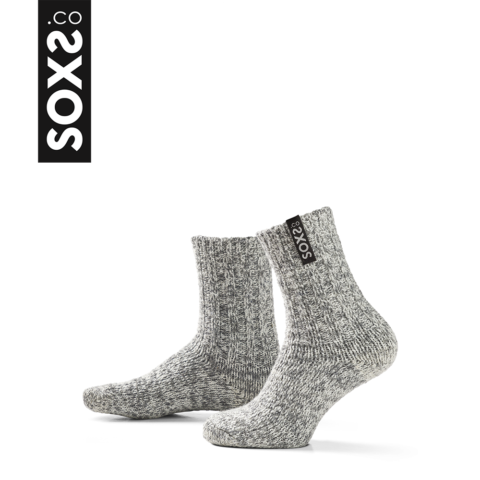
Calf height
Calf height
Calf height