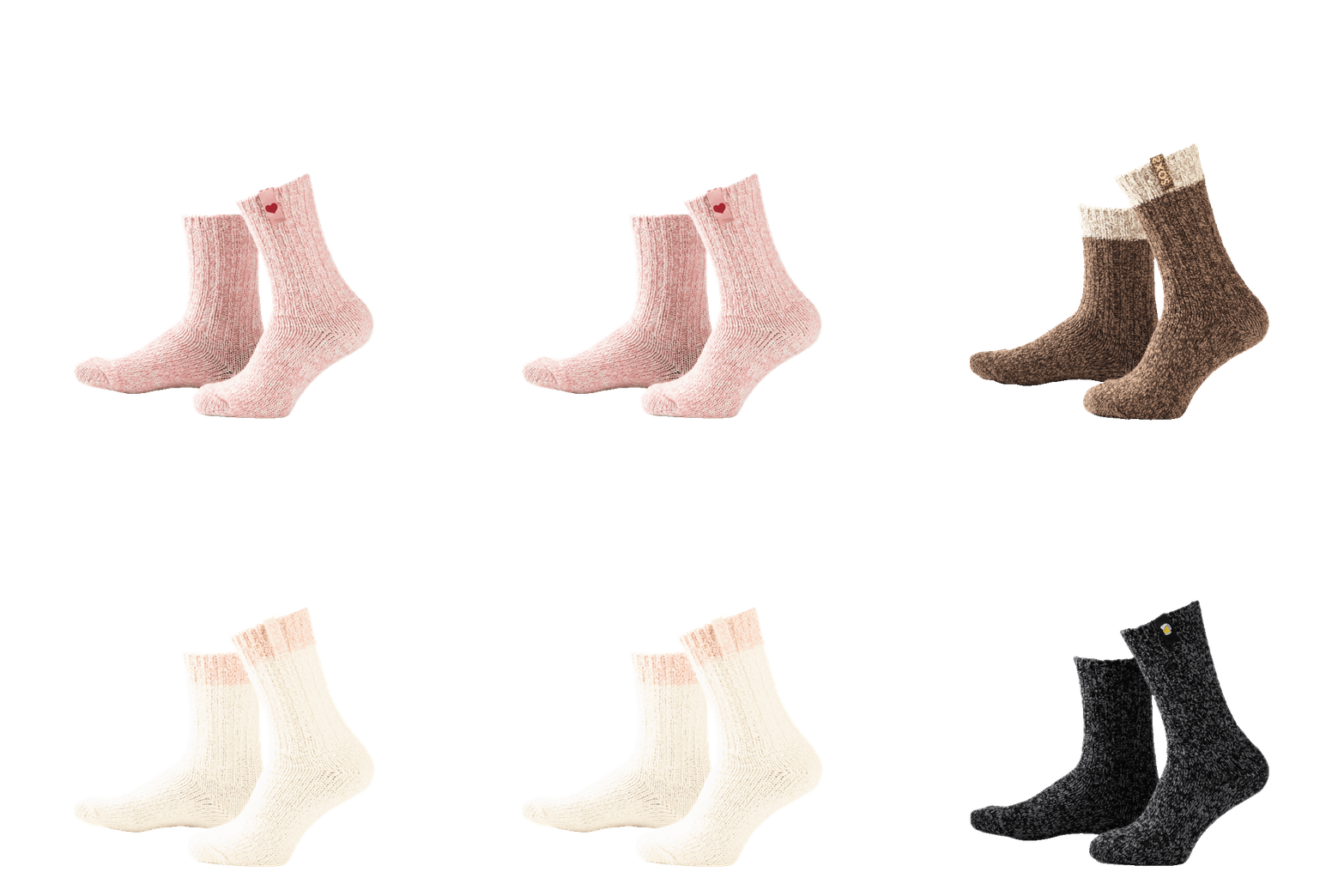

Soft warm premium wool socks
Gift ready, stylishly packaged
Orders placed before 1:00 PM will be shipped today (on weekdays) PLEASE NOTE: The delivery time of Pimp My Soxs is 5 working days!

Sleeping without socks allows your feet to breathe naturally and helps regulate body temperature throughout the night. Your feet can cool down properly, which signals your brain that it’s time to sleep. However, whether you should sleep barefoot depends on factors like room temperature, personal comfort, and specific health considerations that vary from person to person.

When you sleep barefoot, your feet naturally regulate temperature by releasing heat through the skin. This cooling process helps lower your core body temperature, which is important for falling asleep and maintaining deep sleep cycles.
Your feet contain numerous blood vessels close to the surface that expand when warm and contract when cool. Without socks, these vessels can adjust freely to changing temperatures throughout the night. This natural temperature regulation helps maintain optimal sleep conditions.
Sleeping without socks also allows your skin to breathe properly. Your feet produce moisture throughout the night, and barefoot sleeping lets this moisture evaporate naturally rather than being trapped against your skin. This process helps maintain healthy skin on your feet and prevents the buildup of bacteria that thrive in warm, moist environments.
Warming your feet can trigger sleepiness by promoting vasodilation, where blood vessels expand to release heat. This process signals your brain to prepare for sleep, potentially helping you fall asleep faster, especially if you typically have cold feet.
The relationship between foot temperature and sleep onset is connected to your body’s natural circadian rhythm. As bedtime approaches, your core temperature drops while blood flow to your extremities increases. If your feet are already warm from socks, this transition happens more smoothly.
However, if socks make your feet too warm during the night, they can disrupt sleep quality. The key is finding the right balance where your feet start warm but can cool naturally as you sleep. Some people benefit from wearing socks initially, then removing them once they feel drowsy.
Sleeping barefoot significantly reduces moisture buildup around your feet, which helps prevent fungal infections like athlete’s foot. Without socks trapping sweat and humidity, your feet stay drier and healthier throughout the night.
Air circulation improves dramatically when you sleep without socks. This increased airflow helps prevent the growth of bacteria and fungi that cause foot odour and infections. Your feet can naturally shed dead skin cells and regulate moisture levels.
Sleeping barefoot also allows the skin on your feet to repair itself more effectively. Without the friction and pressure from sock seams and elastic bands, your skin experiences less irritation. This is particularly beneficial if you have sensitive skin or conditions like eczema that can be aggravated by fabric contact.
The natural breathing process of your skin works best without barriers. Your feet eliminate toxins through the skin, and this process functions more efficiently when unrestricted by clothing.
You should wear socks to sleep when your bedroom temperature is consistently cold, typically below 18°C (65°F). Cold feet can prevent you from falling asleep and cause frequent wake-ups throughout the night, making socks necessary for comfort.
People with certain health conditions benefit from wearing socks at night. If you have diabetes, poor circulation, or conditions that affect blood flow to your extremities, socks can help maintain warmth and protect your feet.
Dry, cracked feet also benefit from wearing socks, especially when combined with moisturiser. Wearing socks over moisturised feet creates a treatment environment that helps heal and soften rough skin overnight.
During winter months or in poorly heated homes, wool socks become important for maintaining overall body warmth. If cold feet are keeping you awake or making you uncomfortable, socks are a simple solution that can significantly improve your sleep quality.
The ideal bedroom temperature for sleep ranges between 16 and 19°C (60 and 67°F). Within this range, most people can sleep comfortably without socks while maintaining proper foot temperature regulation throughout the night.
When your room temperature drops below 16°C (60°F), your feet may become too cold for comfortable sleep. This is when socks become helpful for maintaining warmth without overheating your entire body. Choose breathable materials that won’t cause excessive sweating.
In warmer rooms above 21°C (70°F), sleeping without socks becomes more important. Your feet need to release heat to help cool your body, and socks can interfere with this natural cooling process. This can lead to restless sleep and frequent waking.
Seasonal adjustments matter significantly for nighttime foot care. Summer months typically favour barefoot sleeping, while winter conditions often require socks. Pay attention to how your feet feel when you wake up, as consistently cold or sweaty feet indicate you need to adjust your approach.
Consider your bedding and sleepwear when making decisions about socks. Heavy blankets and warm pyjamas may eliminate the need for socks even in cooler rooms, while lightweight bedding might require additional foot warmth regardless of room temperature.
The choice between sleeping with or without socks ultimately depends on your personal comfort, room temperature, and individual sleep patterns. Listen to your body’s signals and adjust accordingly for the best night’s rest. At SOXS, we understand that quality sleep matters, which is why we create comfortable, breathable wool socks that are perfect for those times when you need that extra warmth and cosiness during your nighttime routine.
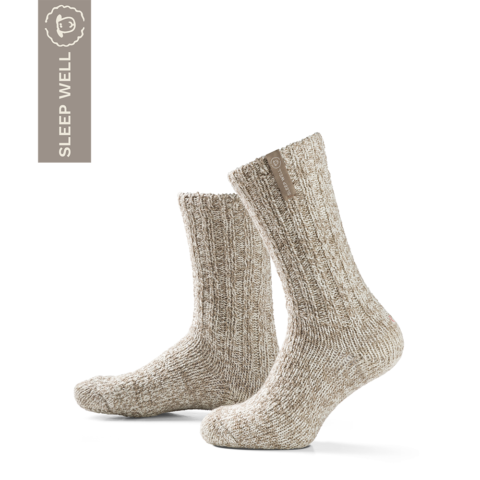
Calf height

Calf height
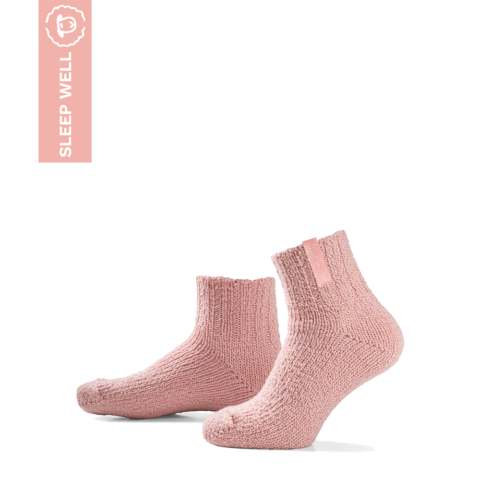
Ankle height