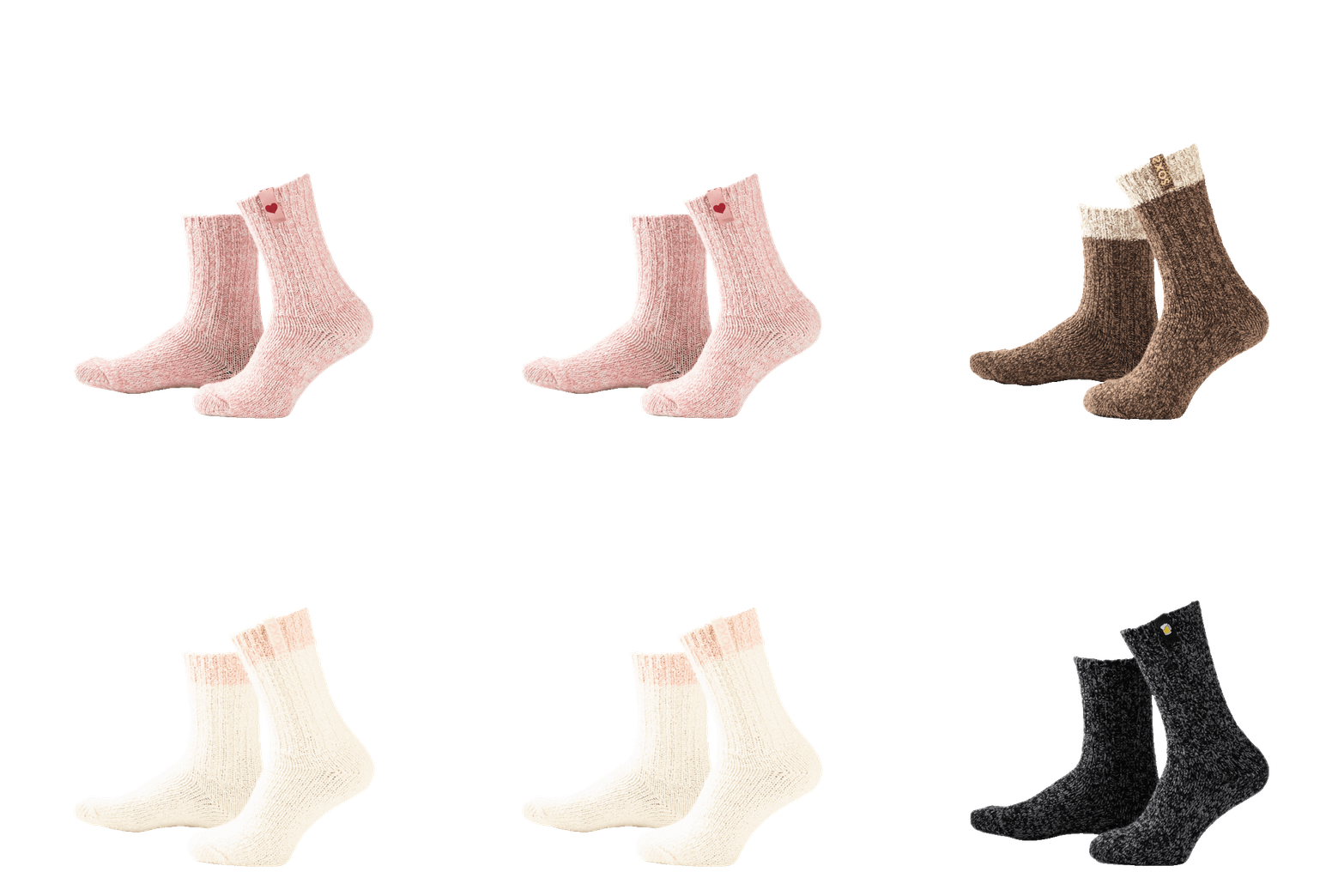

Soft warm premium wool socks
Gift ready, stylishly packaged
Orders placed before 1:00 PM will be shipped today (on weekdays) PLEASE NOTE: The delivery time of Pimp My Soxs is 5 working days!

Quality wool socks typically need replacing every 1 to 2 years with regular wear, though premium wool blends can last much longer with proper care. The replacement frequency depends on usage patterns, sock quality, and maintenance practices. Look for visible wear signs like holes or thinning fabric, but also consider performance decline and hygiene factors even when socks appear fine.
Quality wool socks generally last between 1 and 2 years with regular wear, though high-quality wool blends with synthetic reinforcement can extend this to 3 and 4 years or more. The lifespan depends significantly on the wool composition and construction quality.
Pure wool socks tend to wear out faster due to the natural fiber’s characteristics, whilst wool blends incorporating materials like polyamide offer enhanced durability. These blends typically use 60% sheep’s wool combined with 40% elastic polyamide, providing the warmth and comfort of wool whilst maintaining structural integrity over time.
Your usage patterns dramatically affect sock longevity. Daily wear will naturally shorten lifespan compared to occasional use. Office workers who wear wool socks 2 to 3 times per week can expect them to last 2 to 3 years, whilst those wearing them daily might need replacement after 12 to 18 months. The key factor is allowing socks to rest between wears, giving the wool fibres time to recover their natural elasticity.
Environmental conditions also play a role. Socks worn in harsh outdoor conditions or extreme temperatures will show wear more quickly than those used for indoor comfort or light activities.
The most obvious replacement indicators include visible holes, significant thinning in high-wear areas like heels and toes, and loss of elasticity where socks no longer maintain their shape. These physical signs clearly signal it’s time for new socks.
Look for thinning fabric that becomes translucent when stretched. This typically occurs first at pressure points where your foot makes contact with shoes. The heel and toe areas are particularly vulnerable, as these zones experience the most friction during walking.
Loss of elasticity is another critical indicator. When socks begin sagging, sliding down your leg, or feeling loose around the ankle, the elastic fibres have degraded beyond effective function. Quality wool and polyamide blends maintain their elasticity longer, but all socks eventually lose this property.
Check for permanent deformation where socks no longer return to their original shape after washing. This indicates the wool fibres have been stretched beyond their natural recovery point. Additionally, examine the fabric texture and wool that feels rough, matted, or has lost its natural softness may still function but won’t provide the comfort you expect.
Seam integrity is equally important. Loose or unravelling seams create discomfort and will only worsen with continued wear.
Your daily activities and wearing frequency directly impact sock replacement schedules. Active individuals and frequent wearers need more regular replacements than occasional users, with lifestyle factors determining specific timelines.
Office workers wearing wool socks 2 to 3 times weekly can expect 2 to 3 years of use before replacement becomes necessary. The relatively low impact environment and limited walking reduce wear significantly compared to more demanding uses.
Athletes and outdoor enthusiasts face different challenges. Regular hiking, running, or sports activities create additional friction and moisture exposure, typically reducing sock lifespan to 12 to 18 months. The constant movement and higher activity levels accelerate fabric breakdown, particularly in high stress areas.
For those using wool socks as house socks or for yoga and pilates, replacement might not be needed for 3 to 4 years. These gentle activities place minimal stress on the fabric, whilst the controlled indoor environment protects against harsh conditions.
Daily commuters and people who walk extensively for work fall somewhere between these extremes. Regular pavement walking and varied weather exposure typically necessitate replacement every 18 to 24 months, depending on the distance covered and walking surfaces encountered.
Consider rotation patterns too. Having multiple pairs and rotating them extends individual sock life by allowing recovery time between wears.
Budget synthetic socks typically require replacement every 3 to 6 months, whilst quality wool socks last 1 to 3 years or longer. The initial investment in premium wool socks proves more cost effective over time despite the higher upfront cost.
Cheap synthetic socks lose their shape quickly, develop holes faster, and provide diminishing comfort with each wash. Their shorter lifespan means more frequent purchases, creating higher long term costs and increased environmental waste.
Quality wool socks, particularly those made from New Zealand sheep’s wool with polyamide reinforcement, maintain their performance characteristics much longer. The natural elasticity of wool combined with synthetic reinforcement creates socks that retain their fit and comfort through numerous wash cycles.
From a value perspective, purchasing quality wool socks at £15 to 25 per pair that lasts 2 to 3 years costs less annually than replacing £3 to 5 synthetic socks every few months. The superior comfort, temperature regulation, and moisture wicking properties of wool provide additional value that synthetic alternatives struggle to match.
Quality wool also ages more gracefully. Even as premium wool socks show wear, they often remain comfortable and functional longer than synthetic alternatives, which can become uncomfortable once they begin deteriorating.
The environmental impact differs significantly too. Fewer replacements mean reduced waste and lower resource consumption over time, making quality wool socks the more sustainable choice.
Proper washing and storage techniques can double your wool socks’ lifespan. Hand washing or using wool programmes with appropriate detergents, combined with air drying, preserves the natural fibres and maintains sock integrity.
Always wash wool socks using a dedicated wool programme at maximum 30°C with wool specific detergent. The gentle cycle protects the fibres from aggressive agitation that can cause felting and premature wear. If hand washing, use lukewarm water and gentle squeezing motions rather than wringing or twisting.
Never put wool socks in the tumble dryer. The heat damages wool fibres and causes shrinkage that cannot be reversed. Instead, gently squeeze out excess water and lay flat on a towel to air dry away from direct heat sources.
Rotation is vital for extending sock life. Allow at least 24 hours between wears to let the wool fibres recover their natural shape and elasticity. Having 4 to 6 pairs enables proper rotation whilst ensuring you always have clean, dry socks available.
Store wool socks properly by folding rather than rolling them into balls, which stretches the elastic and can cause permanent deformation. Keep them in a drawer away from moths, using cedar blocks or lavender sachets as natural deterrents.
Address small holes immediately using darning techniques. A small hole can be easily repaired with matching wool thread, preventing it from expanding into damage requiring complete sock replacement.
Replace wool socks when they retain odours after proper washing or lose their moisture wicking properties, even without visible wear. Performance decline and hygiene issues warrant replacement before physical damage becomes apparent.
Persistent odour retention indicates that bacteria have penetrated the wool fibres beyond what normal washing can address. Quality wool naturally resists odour development due to its antimicrobial properties, but this protection diminishes over time and with heavy use.
Loss of temperature regulation is another invisible indicator. When wool socks no longer keep your feet appropriately warm or cool, or if you notice increased moisture retention, the fibres have lost their natural performance characteristics. This typically occurs gradually, making it less obvious than physical wear.
Consider replacement if socks feel less comfortable despite appearing intact. Wool that has lost its natural softness or developed a rough texture will continue to deteriorate and may cause discomfort or skin irritation.
Hygiene considerations become particularly important for socks worn during exercise or in challenging conditions. Even high quality wool has limits to its natural antibacterial properties, and heavily used socks may harbour bacteria despite appearing clean.
If you notice your feet feeling less comfortable or experiencing issues like increased moisture or temperature problems, it’s time to replace your wool socks regardless of their visual condition.
Understanding when to replace wool socks helps you maintain foot comfort and hygiene whilst maximising your investment. Quality wool socks with proper care provide excellent longevity, but recognising replacement signals ensures you always enjoy the full benefits of premium wool sock performance. At SOXS, we’re committed to creating wool socks that deliver lasting comfort and value, using humanely sheared wool from New Zealand combined with modern technology for socks that truly stand the test of time.