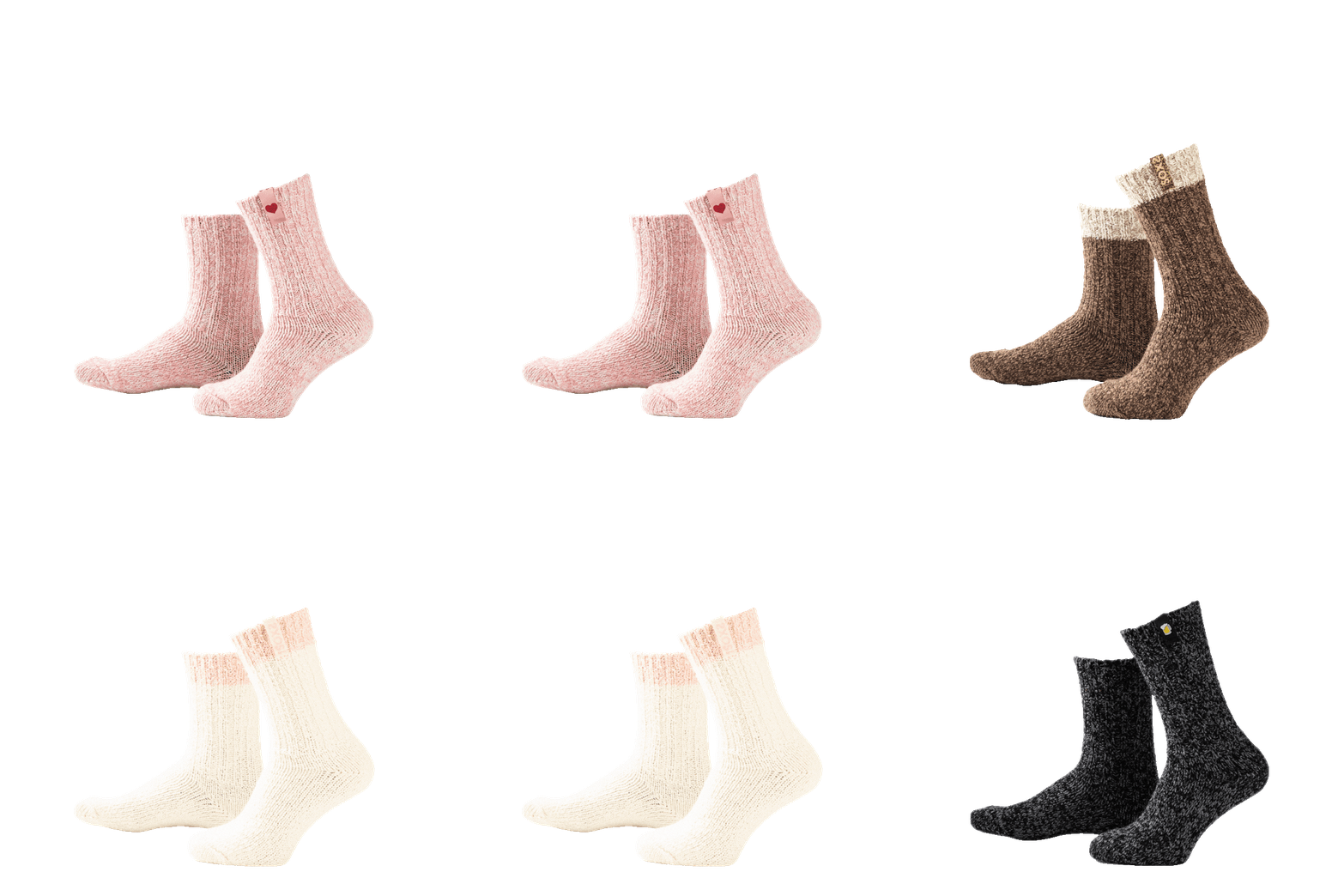

Soft warm premium wool socks
Gift ready, stylishly packaged
Orders placed before 1:00 PM will be shipped today (on weekdays) PLEASE NOTE: The delivery time of Pimp My Soxs is 5 working days!

When you invest in quality wool clothing, you want to know it will last. Wool has been keeping people warm for thousands of years, and modern merino wool products can serve you well for decades with proper care. Understanding wool’s durability helps you make informed choices about your wardrobe investments and develop care routines that maximize your clothing’s lifespan.
The longevity of wool depends on several factors, including fiber quality, construction methods, and how you care for your garments. While synthetic materials might seem convenient, natural wool fibers offer unique advantages that often translate into superior long-term durability—when you understand how to work with the material’s natural properties.
High-quality wool garments can last 10–20 years or more with regular wear and proper care. Premium merino wool items often outlast synthetic alternatives by several years, making them excellent long-term investments despite higher upfront costs.
The exact lifespan depends on several variables. Wool socks worn daily might last 2–5 years, while wool sweaters worn seasonally can serve you for decades. The key lies in wool’s natural resilience and your maintenance routine.
Wool fibers have a natural crimp that creates elasticity, allowing garments to return to their original shape after stretching. This spring-back quality means wool clothing maintains its fit and appearance longer than many other materials. Additionally, wool’s natural antimicrobial properties reduce the need for frequent washing, which extends garment life by minimizing wear from cleaning cycles.
Wool’s natural fiber structure provides superior durability through its unique protein-based composition and crimped fiber design. Unlike synthetic materials that can break down under stress, wool fibers bend and flex without snapping, creating garments that maintain their integrity over time.
The secret lies in wool’s molecular structure. Each fiber contains overlapping scales that lock together, creating a strong yet flexible material. When wool gets wet, these scales open slightly, allowing the fiber to absorb moisture without weakening. Synthetic materials lack this adaptive quality and often become brittle or lose elasticity over time.
Wool also resists odors naturally, meaning you can wear garments multiple times before washing. This reduces the frequency of cleaning cycles that gradually wear down any fabric. Synthetic materials typically require more frequent washing due to odor retention, accelerating their breakdown through repeated exposure to detergents and mechanical agitation.
Wool generally outlasts cotton in durability tests, with wool garments maintaining their shape and strength longer than comparable cotton items. While cotton softens and weakens with each wash, wool fibers can become more cohesive over time when properly cared for.
Cotton fibers are shorter and straighter than wool fibers, making them more prone to breaking under stress. Cotton garments often develop thin spots, holes, or lose their shape after extensive wear and washing. The natural oils in wool help preserve fiber integrity, while cotton lacks these protective elements.
However, cotton does have advantages in certain applications. It initially handles frequent washing better and works well for garments that need regular laundering. For items like socks that experience high friction and frequent cleaning, the choice between wool and cotton depends more on your specific needs and care preferences than on longevity alone.
Fiber quality, garment construction, frequency of use, and care practices are the primary factors that determine a wool product’s lifespan. Higher-grade merino wool with tight, even knitting typically lasts longer than loosely constructed items made from lower-quality fibers.
The source and processing of the wool matter significantly. Ethically sourced wool from healthy sheep tends to have stronger, more uniform fibers. The spinning and knitting processes also impact durability—tighter construction generally means longer-lasting garments, though this must be balanced with comfort and flexibility.
Your usage patterns play a crucial role. Rotating between multiple wool garments allows each piece to rest and recover between wears. Wool fibers naturally spring back to their original shape when given time to relax. Continuous wear without breaks can lead to permanent stretching or compression in high-stress areas.
Environmental factors also influence longevity. Moths can damage wool if garments aren’t stored properly. Excessive heat, direct sunlight, and harsh chemicals can break down wool fibers prematurely. Understanding these threats helps you create storage and care routines that preserve your wool items.
Proper washing technique, appropriate storage, and gentle handling are the most effective ways to extend the lifespan of wool clothing. Wash wool items in cool water with a wool-specific detergent, avoid wringing or twisting, and lay them flat to dry to prevent damage and maintain their shape.
Temperature control is critical when caring for wool. Hot water can cause felting, where fibers mat together permanently. Always check care labels and use the coolest water temperature recommended. Hand-washing or using your machine’s delicate wool cycle provides the gentlest cleaning action.
Storage practices significantly impact longevity. Clean wool thoroughly before storing it to prevent moths from being attracted. Use breathable garment bags or cedar blocks for long-term storage. Avoid plastic bags that can trap moisture and lead to mildew or fiber degradation.
Allow wool garments to air out between wears. Hanging items overnight lets natural moisture evaporate and allows fibers to recover their shape. For heavy items like sweaters, fold rather than hang to prevent stretching. Brush wool items gently with a soft-bristled brush to remove surface dirt and maintain the fabric’s appearance.
When you choose quality wool products and care for them properly, you’re making an investment that pays dividends in comfort, performance, and longevity. At SOXS, we’ve seen our customers enjoy their merino wool socks for years, with many reporting that proper care keeps their favorite pairs comfortable and durable well beyond expectations.