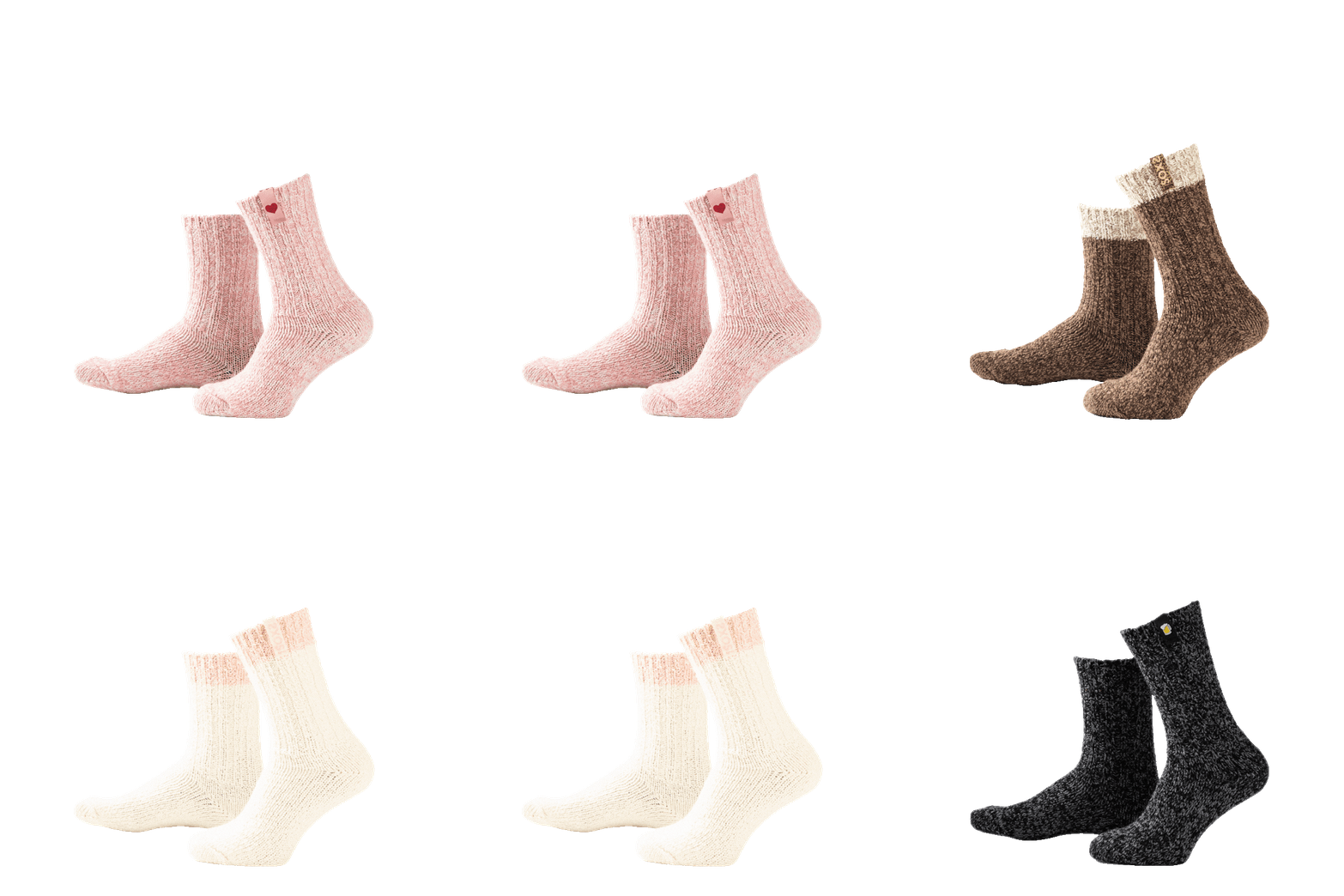
Soft warm premium wool socks
Gift ready, stylishly packaged
Orders placed before 1:00 PM will be shipped today (on weekdays) PLEASE NOTE: The delivery time of Pimp My Soxs is 5 working days!

Cold feet can make even the coziest moments uncomfortable, leaving you searching for the perfect way to keep your toes toasty. Wool socks have long been celebrated as nature’s answer to chilly extremities, offering superior insulation and moisture-wicking properties that synthetic materials simply can’t match. Understanding how quickly wool socks work and what factors influence their effectiveness can help you choose the best option for lasting warmth and comfort.
Whether you’re dealing with chronically cold feet or just need reliable warmth for outdoor adventures, the right wool socks can transform your daily comfort. Let’s explore the science behind wool’s warming power and how to maximize its benefits for your feet.
Wool socks begin warming cold feet within 5 to 15 minutes of putting them on, with most people noticing warmth within the first 10 minutes. The natural crimp in wool fibers creates thousands of tiny air pockets that trap body heat, while wool’s ability to generate heat through friction can speed up the warming process.
The speed of warming depends on several factors, including sock thickness, wool content, and your individual circulation. Thicker wool socks with higher wool content typically warm feet faster because they contain more insulating fibers. Your body temperature and activity level also play crucial roles, since moving around generates additional heat that wool can trap and retain.
Unlike synthetic materials that simply block cold air, wool works with your body’s natural heat production. As you walk or move, friction between wool fibers can generate additional warmth, creating a self-reinforcing cycle of comfort that can last throughout the day.
Wool socks outperform other materials for cold feet because wool naturally regulates temperature, wicks moisture away from the skin, and retains warmth even when damp. Unlike cotton or synthetic blends, wool fibers have a unique structure that provides excellent insulation while still allowing feet to breathe.
The secret lies in wool’s natural properties. Each wool fiber has microscopic scales and a hollow core that traps air, creating exceptional insulation. This structure allows wool to hold up to 30% of its weight in moisture without feeling wet, keeping your feet dry and warm at the same time. Cotton, by contrast, absorbs moisture and loses its insulating properties when damp, leaving feet cold and clammy.
Wool also has natural antimicrobial properties that help resist odor-causing bacteria, so your feet stay fresher for longer. The material’s elasticity helps ensure a comfortable fit that doesn’t restrict circulation, while its durability means wool socks maintain their warming properties wash after wash. Synthetic materials may offer initial warmth but often trap moisture and lose effectiveness over time.
Lasting improvement in foot warmth from wearing wool socks typically develops within 2 to 4 weeks of consistent use. During this period, your feet adapt to better temperature regulation, and the cumulative benefits of improved moisture management and circulation support become more apparent.
The improvement process happens gradually as wool socks address multiple factors that contribute to cold feet. In the first week, you’ll notice immediate warmth and comfort while wearing them. By the second week, your feet may stay warmer for longer periods, even after you take the socks off. This can happen because wool’s moisture-wicking properties help maintain healthier foot conditions, while a proper sock fit supports circulation and natural temperature regulation.
Consistent daily wear can accelerate these benefits. People who switch to wool socks for all-day wear often report that their feet feel warmer overall, not just while wearing the socks. This may be because wool helps break the cycle of cold, damp conditions that can make feet feel perpetually chilly. Temperature regulation can become more effective as your feet adapt to the improved environment wool socks provide.
Some people’s feet remain cold in wool socks due to poor circulation, incorrect sock sizing, low wool content, or underlying health conditions that affect blood flow to the extremities. These factors can prevent wool’s natural warming properties from working effectively.
Circulation issues are the most common culprit. If blood flow to your feet is restricted by tight shoes, medical conditions, or prolonged sitting, even the best wool socks can’t compensate for insufficient warm blood reaching your toes. Similarly, socks that are too tight can restrict circulation, while socks that are too loose allow heat to escape and reduce insulation effectiveness.
The quality and composition of wool socks also matter significantly. Socks with low wool content or blended with large amounts of synthetic material won’t provide the same warming benefits as high-quality options with high wool content. Additionally, worn-out socks can lose their insulating properties over time. Some people may also have medical conditions such as diabetes, thyroid disorders, or circulation problems that require addressing the underlying cause rather than simply changing sock materials.
Merino wool socks with cushioned soles and medium to heavy thickness work fastest for cold feet, providing optimal insulation while maintaining breathability and comfort. Merino wool’s fine fibers can deliver better warmth retention than many traditional wool varieties.
Merino wool stands out because its fibers are much finer than regular wool, allowing for denser knitting that creates more air pockets for insulation. This wool type also feels softer against the skin and is less likely to cause irritation, encouraging all-day wear that maximizes warming benefits. For best results, look for socks with at least 70% merino wool.
Cushioned or padded soles add an extra layer of insulation between your feet and cold surfaces, while also providing comfort for extended wear. Medium to heavy weight socks offer more warmth than lightweight options, though the exact thickness should match your footwear and activity level. Crew or knee-high lengths provide more coverage and warmth retention than ankle socks, making them ideal for people with chronically cold feet.
At SOXS, we understand the frustration of cold feet, and we’ve crafted our wool socks specifically to provide lasting warmth and comfort. Our socks are made from ethically sourced New Zealand sheep’s wool, ensuring you get premium natural fibers that work effectively to keep your feet cozy.
Here’s how SOXS wool socks help with cold feet:
Whether you need reliable warmth for outdoor activities, cozy comfort for relaxing at home, or everyday socks that keep your feet comfortable throughout the workday, SOXS has the right wool sock solution. Experience the difference premium, sustainably sourced wool can make for cold feet. Browse our collection today and discover warmth that lasts.