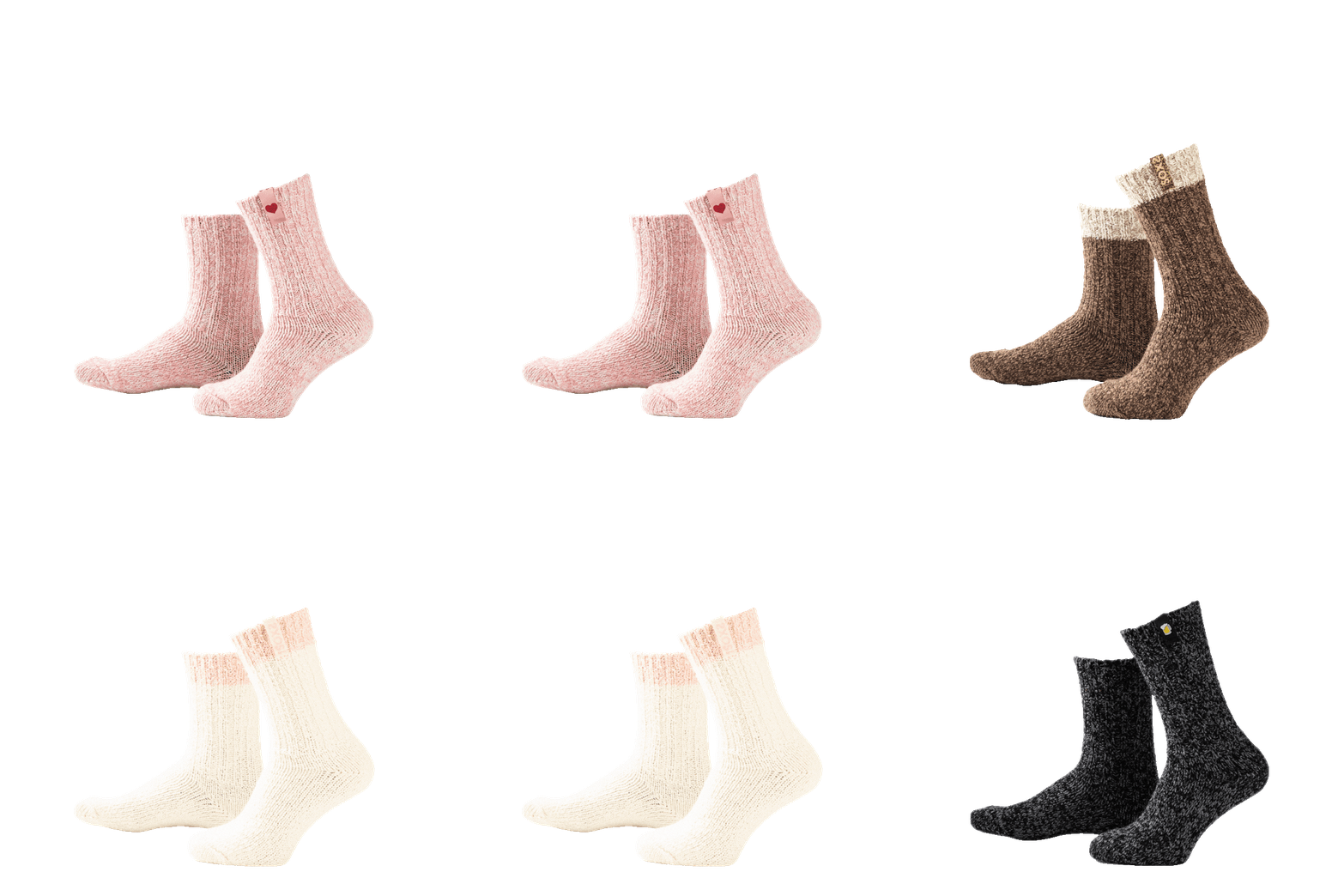

Soft warm premium wool socks
Gift ready, stylishly packaged
Orders placed before 1:00 PM will be shipped today (on weekdays) PLEASE NOTE: The delivery time of Pimp My Soxs is 5 working days!

Quality wool socks typically last 1 to 3 years with daily wear, depending on wool quality, construction, and care practices. Premium wool socks made from merino or New Zealand wool often outlast cheaper alternatives by maintaining their shape, comfort, and performance longer. Proper care significantly extends wool sock lifespan, making them a worthwhile investment for daily use.
Quality wool socks last between 12 months to 3 years with daily wear, depending on the wool grade and construction quality. Premium wool socks made from high-quality fibres like New Zealand sheep’s wool tend to reach the upper end of this range, whilst budget options may show wear within 6 to 12 months.
The lifespan varies significantly based on wool quality. Socks made from 60% New Zealand sheep’s wool blended with 40% polyamide, for example, maintain their elasticity and shape longer than pure wool alternatives. This blend prevents the stretching and shrinking that shortens sock life whilst preserving wool’s natural benefits.
Daily wear patterns also affect durability. Socks worn for office work typically last longer than those used for hiking or intense physical activity. The heel and toe areas experience the most stress, so reinforced construction in these zones extends overall sock life. Quality wool socks often feature cushioning and reinforcement that helps them withstand daily pressure points.
Construction quality matters as much as wool grade. Well-knitted socks with proper seaming resist holes and thinning better than loosely constructed alternatives. The knitting density and yarn thickness contribute to overall durability, with tighter knits generally lasting longer under daily use.
Wool fibres naturally resist odour, wick moisture, and maintain elasticity better than cotton or synthetic materials. Wool’s crimped structure creates tiny air pockets that provide insulation whilst allowing breathability, reducing the bacterial growth that breaks down other fabrics over time.
The natural elasticity of wool helps socks maintain their shape through repeated wear and washing. Unlike cotton socks that lose their stretch and become baggy, quality wool socks return to their original form. This elasticity prevents the loose fit that causes friction and premature wear.
Wool’s moisture-wicking properties keep feet drier, reducing the damp conditions that accelerate fabric breakdown. Cotton retains moisture against the skin, creating an environment where bacteria thrive and fibres weaken. Wool moves moisture away from feet whilst maintaining comfort, preserving both foot health and sock integrity.
The antibacterial properties of wool mean these socks require less frequent washing than cotton alternatives. Fewer wash cycles naturally extend sock life, as washing and drying create the most stress on fabric fibres. Wool socks often remain fresh after multiple wears, reducing the washing frequency that shortens sock lifespan.
Wool fibres are also naturally stronger than cotton. The protein structure of wool creates more resilient threads that resist breaking under stress. This strength, combined with modern blending techniques using polyamide, creates socks that withstand daily wear whilst maintaining comfort and performance.
Activity level, shoe fit, washing frequency, and foot type significantly impact wool sock durability. High-impact activities, poorly fitting shoes, excessive washing, and foot conditions that create extra friction all reduce sock lifespan, regardless of wool quality.
Your activity level directly affects wear patterns. Office workers who sit most of the day put less stress on their socks than people who walk extensively or engage in sports. Hiking, running, and other high-impact activities create more friction and pressure, particularly in the heel and toe areas where holes typically develop.
Shoe fit plays a crucial role in sock longevity. Shoes that are too tight create excessive friction, whilst loose shoes allow feet to slide and rub against sock material. Properly fitted shoes reduce unnecessary movement and pressure points that cause premature wear. Sharp edges or rough interior surfaces in shoes also accelerate sock deterioration.
Washing frequency affects durability more than many people realise. Whilst wool naturally resists odours and can be worn multiple times between washes, overwashing breaks down fibres faster. The agitation, heat, and chemicals in washing machines stress the fabric, so finding the right balance between cleanliness and preservation extends sock life.
Individual foot characteristics matter too. People with dry skin, calluses, or rough patches create more abrasion against sock fibres. Foot shape variations, such as prominent heel bones or longer toes, create specific pressure points that may wear through socks faster. Understanding your foot type helps you choose reinforced socks in appropriate areas.
Environmental conditions also play a role. Hot, humid climates may require more frequent washing, whilst cold, dry conditions are gentler on wool fibres. Indoor heating and air conditioning affect moisture levels, influencing how often socks need cleaning and how quickly they dry.
Hand washing in cool water with wool detergent and air drying extends wool sock life significantly. Machine washing should use wool programmes at maximum 30°C with gentle spin cycles. Never use fabric softener or put wool socks in the dryer, as heat damages wool fibres permanently.
Hand washing remains the gentlest method for wool socks. Use lukewarm water with a wool-specific detergent that maintains the natural oils in wool fibres. Gently squeeze the socks rather than wringing them, which can stretch and damage the fabric. Rinse thoroughly with cool water to remove all detergent residue.
When machine washing is necessary, select the wool programme and use cold water settings. Wash wool socks with similar colours and weights to prevent damage from heavier items. Turn socks inside out before washing to protect the outer surface from abrasion. Use a maximum of 600 revolutions per minute for the spin cycle to avoid stretching.
Proper drying technique prevents shrinkage and maintains sock shape. Lay socks flat on a clean towel away from direct heat sources like radiators or sunny windows. Reshape them whilst damp to maintain their original form. Air circulation speeds drying without the damaging heat of tumble dryers.
Storage practices also affect longevity. Keep wool socks in a cool, dry place with good air circulation. Avoid storing them in plastic bags, which can trap moisture and encourage mould growth. Cedar blocks or lavender sachets naturally deter moths without chemicals that might damage wool fibres.
Rotation helps extend the life of your entire sock collection. Having multiple pairs allows each pair to rest and fully dry between wears. This prevents the constant stress that comes from daily use and gives wool fibres time to recover their natural elasticity.
Replace wool socks when you notice holes, significant thinning, loss of elasticity, or reduced comfort. Visible wear signs include worn heel or toe areas, loose threads, and socks that no longer maintain their shape after washing and drying.
Holes are the most obvious replacement indicator, but thinning areas signal impending problems. Hold socks up to light to check for transparent spots, particularly in high-wear zones like heels and balls of feet. These thin areas will soon develop into holes, so replacement before this happens prevents uncomfortable surprises.
Loss of elasticity shows when socks become baggy or slide down during wear. Wool socks should maintain their shape and stay in position throughout the day. When they start bunching around ankles or feeling loose around the foot, the elastic properties have degraded beyond effective function.
Comfort changes indicate it’s time for new socks. If previously comfortable socks start causing blisters, feel scratchy, or no longer provide adequate cushioning, they’ve lost their performance qualities. Wool socks should feel soft and supportive throughout their usable life.
Odour retention despite proper washing suggests the antibacterial properties of wool have been compromised. Fresh wool socks naturally resist smells, so persistent odours indicate the fibres can no longer perform this function effectively.
Consider rotating sock collections strategically. Having 7 to 10 pairs of quality wool socks allows you to wear each pair only once or twice per week, significantly extending their collective lifespan. This rotation system often provides better value than buying cheaper socks more frequently.
Premium wool socks typically offer better value for daily wear through longer lifespan, superior comfort, and consistent performance. Whilst the initial cost is higher, quality wool socks often cost less per wear over their lifetime compared to frequently replaced cheaper alternatives.
The cost per wear calculation often favours premium wool socks. A £20 pair that lasts three years with daily use costs approximately 2p per wear. Cheaper £5 socks that last six months cost about 3p per wear, making premium options more economical over time. This calculation doesn’t include the superior comfort and performance benefits.
Quality wool socks maintain their performance characteristics longer. They continue wicking moisture, regulating temperature, and resisting odours throughout their lifespan. Cheaper alternatives may lose these properties quickly, requiring more frequent washing and replacement whilst providing diminished comfort.
The comfort difference becomes apparent with daily wear. Premium wool socks often feature better cushioning, seamless toe construction, and reinforced wear areas. These design elements reduce fatigue and prevent blisters, particularly important for people who spend long hours on their feet.
Sustainability considerations also support investing in quality wool socks. Longer-lasting socks mean fewer replacements, reducing environmental impact from manufacturing and packaging. Quality wool socks made from ethically sourced materials support responsible farming practices and fair labour conditions.
However, the investment makes most sense for regular wearers. If you only occasionally wear wool socks, mid-range options may provide adequate performance without the premium price. Consider your wearing patterns, comfort priorities, and environmental values when making this decision.
For daily use scenarios, premium wool socks often justify their cost through durability, comfort, and performance. The key is choosing reputable brands that stand behind their products and offer the specific features you need for your lifestyle and activities.
Understanding wool sock durability helps you make informed choices about daily wear options. Quality wool socks from reputable manufacturers provide excellent longevity when properly cared for, making them a practical investment for regular use. At SOXS, we’ve designed our humanely sheared wool socks to deliver lasting comfort and performance, combining traditional New Zealand wool craftsmanship with modern technology for socks that truly stand the test of daily wear.