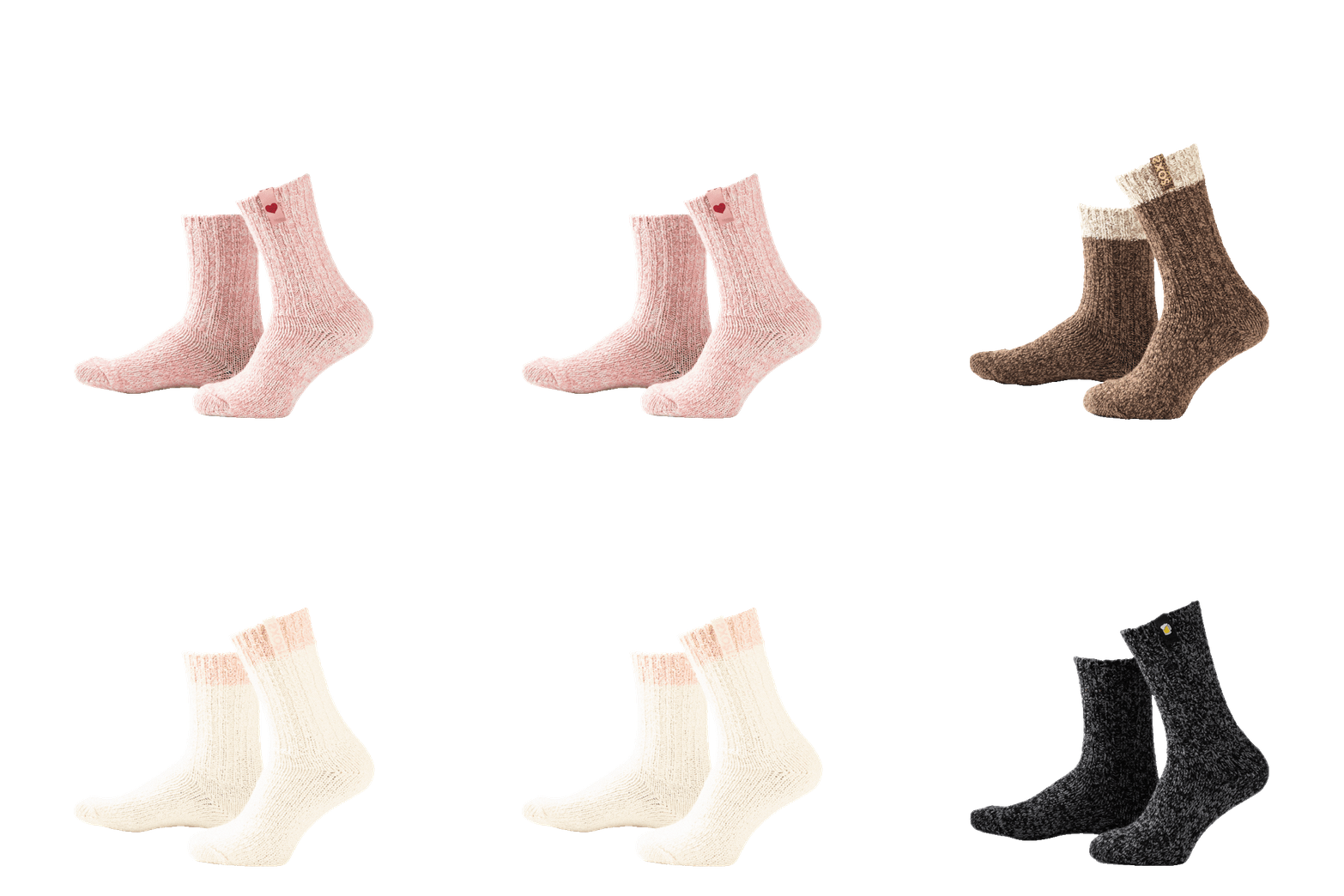

Soft warm premium wool socks
Gift ready, stylishly packaged
Orders placed before 1:00 PM will be shipped today (on weekdays) PLEASE NOTE: The delivery time of Pimp My Soxs is 5 working days!

Recognising wool socks wear involves checking for fabric thinning, lost elasticity, and pilling around high-friction areas. Look for loose threads, holes forming in heel and toe sections, or socks that no longer maintain their shape after washing. Early detection helps you decide whether to repair or replace your socks before they become unwearable.
The earliest indicators of wool sock deterioration include fabric thinning in high-friction areas, particularly around the heel, toe, and ball of your foot. You’ll notice the wool feels less substantial when you pinch these areas between your fingers compared to newer sections of the sock.
Loss of elasticity becomes apparent when your socks start slipping down your leg during wear or feel loose around the ankle. Quality wool socks should maintain their shape and grip throughout the day. When they begin sagging or bunching, the elastic fibres are breaking down.
Small pills (tiny wool balls) forming on the surface signal the beginning stages of wear. These appear first where your sock rubs against shoes or skin. While some initial pilling is normal, excessive pilling indicates accelerated wear patterns that warrant attention.
Watch for loose threads or small snags that catch on shoes or toenails. These create weak points that can quickly develop into holes if left unaddressed.
Examine heel and toe areas by holding your socks up to light and worn sections appear translucent compared to thicker, intact areas. Run your fingers along these zones feeling for rough patches, thinning fabric, or small holes beginning to form.
Check the structural integrity by gently stretching these high-wear areas. Healthy wool springs back into shape immediately, whilst worn sections remain stretched or feel fragile under tension. You might hear slight crackling sounds as damaged fibres separate.
Look for colour changes in heel and toe areas. Worn wool often appears faded or has a different texture compared to the rest of the sock. The surface may feel rougher or smoother than surrounding areas, indicating fibre damage.
Press your thumb against the sole area whilst wearing the socks. If you feel increased pressure or your thumb seems closer to your foot than usual, the cushioning layer has compressed and worn thin.
Repair wool socks when holes are smaller than a 10p coin and located in reinforceable areas like heels or toes. If the surrounding fabric remains strong and elastic, darning techniques can extend sock life significantly whilst maintaining comfort and functionality.
Consider the sock’s overall condition before investing time in repairs. Socks with multiple thin spots, extensive pilling, or loss of elasticity throughout aren’t worth repairing. The effort spent mending won’t provide lasting results.
Quality wool socks justify repair investment more than budget options. Well-made socks with good remaining structure can serve several more years after proper darning. Simple repairs using matching wool thread can restore functionality without compromising comfort.
Replace socks when holes exceed 2cm diameter, appear in multiple locations, or when the fabric feels papery and weak. Extensive wear patterns across the entire sock indicate the fibres have reached the end of their useful life.
Improper washing accelerates sock deterioration dramatically. Using regular detergent instead of wool-specific products, washing in hot water above 30°C, or machine drying breaks down wool fibres and causes premature wear. High spin speeds also stress the fabric unnecessarily.
Poorly fitting shoes create excessive friction and pressure points. Shoes that are too tight compress wool fibres, whilst loose shoes allow feet to slide, increasing friction. Sharp edges inside shoes or worn shoe linings can snag and damage sock surfaces.
Neglected toenail care contributes significantly to sock wear. Long, sharp, or rough toenails catch wool fibres and create holes. File nails regularly and smooth any rough edges that could damage delicate wool.
Environmental factors like walking on rough surfaces whilst wearing socks as slippers, or exposure to harsh chemicals during cleaning, can degrade wool fibres faster than normal use patterns would suggest.
Proper washing techniques preserve wool sock integrity. Use wool-specific detergent, wash at maximum 30°C with gentle spin cycles, and air dry flat rather than hanging. Hand washing in lukewarm water provides even gentler treatment for maximum longevity.
Implement a rotation schedule with multiple pairs to reduce wear frequency. Allow socks to rest between wears, giving wool fibres time to recover their natural elasticity. This simple practice can double sock lifespan.
Store wool socks properly by laying them flat or loosely folded rather than tightly rolled. Avoid storing in damp conditions where moths or mildew might damage the fibres. Cedar blocks help repel insects naturally.
Develop protective wearing habits like keeping toenails trimmed, ensuring proper shoe fit, and avoiding walking on rough surfaces in sock feet. These small changes prevent unnecessary stress on wool fibres during daily wear.
Normal wear patterns develop gradually over months of regular use, appearing first in predictable high-friction areas like heels and toes. The fabric thins evenly and maintains reasonable elasticity throughout most of the sock. Expected wear timelines vary based on usage frequency and care quality.
Premature deterioration shows up as sudden holes, extensive pilling after minimal wear, or rapid loss of shape within weeks of purchase. This indicates either quality issues in manufacturing or significant care problems affecting the wool’s integrity.
Quality wool socks should maintain their essential properties for extended periods. If socks lose elasticity, develop holes, or pill excessively within the first few months of normal use, this suggests problems beyond typical wear patterns.
Environmental factors and care mistakes often cause premature failure. Socks exposed to excessive heat, harsh chemicals, or mechanical stress show accelerated deterioration compared to properly maintained options under similar usage conditions.
Understanding these differences helps you evaluate whether sock problems stem from natural wear, care issues, or potential quality concerns. This knowledge guides better purchasing decisions and care routines for future wool sock investments.
Recognising wool sock wear patterns helps you maintain your favourite pairs longer whilst knowing when replacement becomes necessary. At SOXS, we design our ethically sourced wool socks for durability and repairability, ensuring you get maximum value from every pair through proper care and timely maintenance.