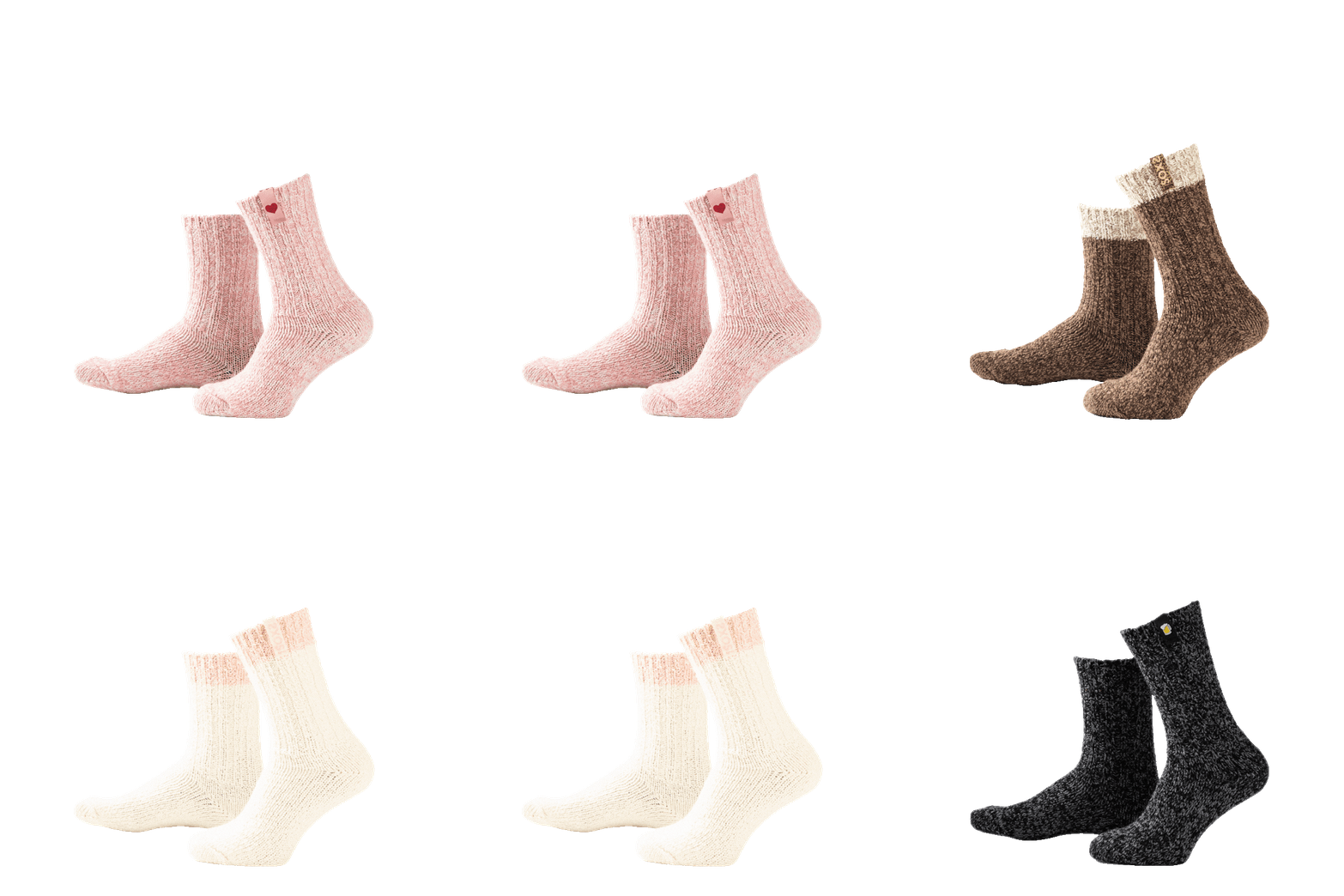

Soft warm premium wool socks
Gift ready, stylishly packaged
Orders placed before 1:00 PM will be shipped today (on weekdays) PLEASE NOTE: The delivery time of Pimp My Soxs is 5 working days!

Wool socks itching happens because of the fiber structure, lanolin content, and individual skin sensitivity. You can prevent wool sock irritation by choosing high-quality merino wool, proper washing techniques, and gradual skin adaptation. Modern wool blends with synthetic fibers often eliminate itching while maintaining warmth and comfort benefits.
Wool fibers naturally have a scaly structure that can irritate sensitive skin when they rub against it. Traditional wool contains lanolin, a natural oil from sheep that some people react to with itching or mild allergic responses.
The thickness of wool fibers plays a major role in comfort. Coarser wools have thicker fibers that feel scratchy against your skin, whilst finer wools create a softer sensation. Your individual skin sensitivity determines how much you’ll notice these differences.
Some people experience wool sensitivity because their skin reacts to the protein structure in wool fibers. This reaction can range from mild itching to more noticeable discomfort, especially in areas where socks create friction like around your ankles or between your toes.
The processing methods used on wool also affect how it feels. Poorly processed wool retains more of its natural roughness, whilst properly treated wool becomes softer and less likely to cause irritation.
Merino wool has much finer fibers than regular wool, typically measuring 18 to 24 microns compared to 25 to 40 microns for standard wool. These thinner fibers bend more easily against your skin, creating a softer feeling that rarely causes itching.
Regular wool often comes from breeds like Romney or Corriedale sheep, which produce coarser fibers that can feel scratchy. Merino wool comes specifically from Merino sheep, bred for their exceptionally fine, soft fleece.
The processing methods for merino wool are typically more refined. Manufacturers often use gentler treatments that preserve the natural softness whilst removing irritating elements. This results in socks that feel smooth rather than scratchy against your skin.
Merino wool also has better moisture wicking properties than regular wool. It moves sweat away from your skin more effectively, reducing the damp conditions that can make any fabric feel uncomfortable or irritating during wear.
Look for socks labelled as “merino wool” or containing wool blends with synthetic fibers like polyamide or nylon. These blended fabrics combine wool’s warmth with synthetic smoothness, significantly reducing itching potential whilst maintaining comfort.
Check the fiber diameter if it’s listed on packaging. Wool fibers under 22 microns feel much softer against skin than thicker alternatives. Many manufacturers now specify this measurement to help sensitive customers make informed choices.
Read labels for terms like “itch free,” “soft touch,” or “sensitive skin friendly.” These indicate the manufacturer has specifically processed the wool to reduce irritation. Avoid socks described as “rustic” or “traditional,” which often means coarser processing.
Consider sock construction features like flat toe seams and cushioned soles. These design elements reduce friction points where itching typically occurs. Well constructed socks distribute pressure more evenly, preventing the rubbing that amplifies wool sensitivity.
Choose reputable brands that specialise in comfort focused wool products. Companies that understand wool sensitivity often invest in better fiber selection and processing methods that result in genuinely comfortable socks.
Wash your wool socks in cool water with wool specific detergent before first wear. This removes manufacturing residues and softens the fibers naturally. Use a gentle wool wash cycle or hand wash with lukewarm water for best results.
Try wearing thin liner socks underneath your wool socks. This creates a barrier between the wool and your skin whilst still allowing you to benefit from wool’s warmth and moisture wicking properties.
Condition your wool socks with hair conditioner or specialized wool conditioner. Add a small amount to the rinse cycle, which helps soften the fibers and reduce their scratchy feel against sensitive skin.
Gradually increase wearing time to help your skin adapt. Start with short periods and slowly extend wear time as your skin becomes accustomed to the wool texture. Many people find their sensitivity decreases with regular exposure.
Store your wool socks properly between wears. Lay them flat to dry completely and avoid harsh folding that can make fibers feel stiffer when you next put them on.
Wash wool socks at 30°C maximum using wool specific detergent. Higher temperatures damage wool fibers and make them feel rougher. Set your washing machine to a gentle wool cycle with a maximum spin speed of 600 rpm to protect the fiber structure.
Never use fabric softener or synthetic detergents on wool socks. These products can coat the fibers and actually make them feel less comfortable over time. Stick to detergents designed specifically for wool care.
Air dry your wool socks by laying them flat on a towel. Avoid hanging them, which can stretch the fibers, and never use a tumble dryer. Heat from dryers damages wool and creates the pilling that makes socks feel scratchy.
Hand washing works well for maintaining softness. Use lukewarm water with a dash of wool detergent, soak for maximum 5 minutes, and make gentle squeezing movements rather than rubbing the fabric together.
For stubborn stains, massage gently with ox gall soap and let it soak briefly before rinsing thoroughly. This natural approach cleans effectively without damaging the wool’s soft texture.
Consider alternatives if you experience persistent itching, redness, or skin irritation even with high quality merino wool socks. Some people have genuine wool protein allergies that won’t improve with different wool types or processing methods.
Try bamboo fiber socks as a natural alternative. Bamboo offers similar moisture wicking and temperature regulation properties to wool but with a silk like softness that rarely causes skin reactions.
Cotton blends provide comfort for sensitive skin whilst offering some warmth benefits. Look for cotton mixed with small amounts of merino wool, which gives you gradual exposure to wool whilst maintaining comfort.
Synthetic moisture wicking fabrics work well for people with severe wool sensitivity. Modern synthetic fibers can provide warmth and breathability without any natural fiber irritation concerns.
If you want to try wool gradually, start with wool blend products containing 30 to 40% wool mixed with cotton or synthetic fibers. This allows your skin to adapt slowly whilst minimising irritation risk.
Consider seasonal alternatives where you use wool substitutes during periods when your skin is more sensitive, such as during winter when skin tends to be drier and more reactive to irritating fabrics.
The key to comfortable wool sock wearing lies in understanding your skin’s needs and choosing appropriate fiber quality. Modern wool processing techniques have made genuinely itch free wool socks possible for most people. At SOXS, we’ve combined traditional New Zealand sheep’s wool with modern technology to create socks that provide all of wool’s benefits without the traditional itching concerns.