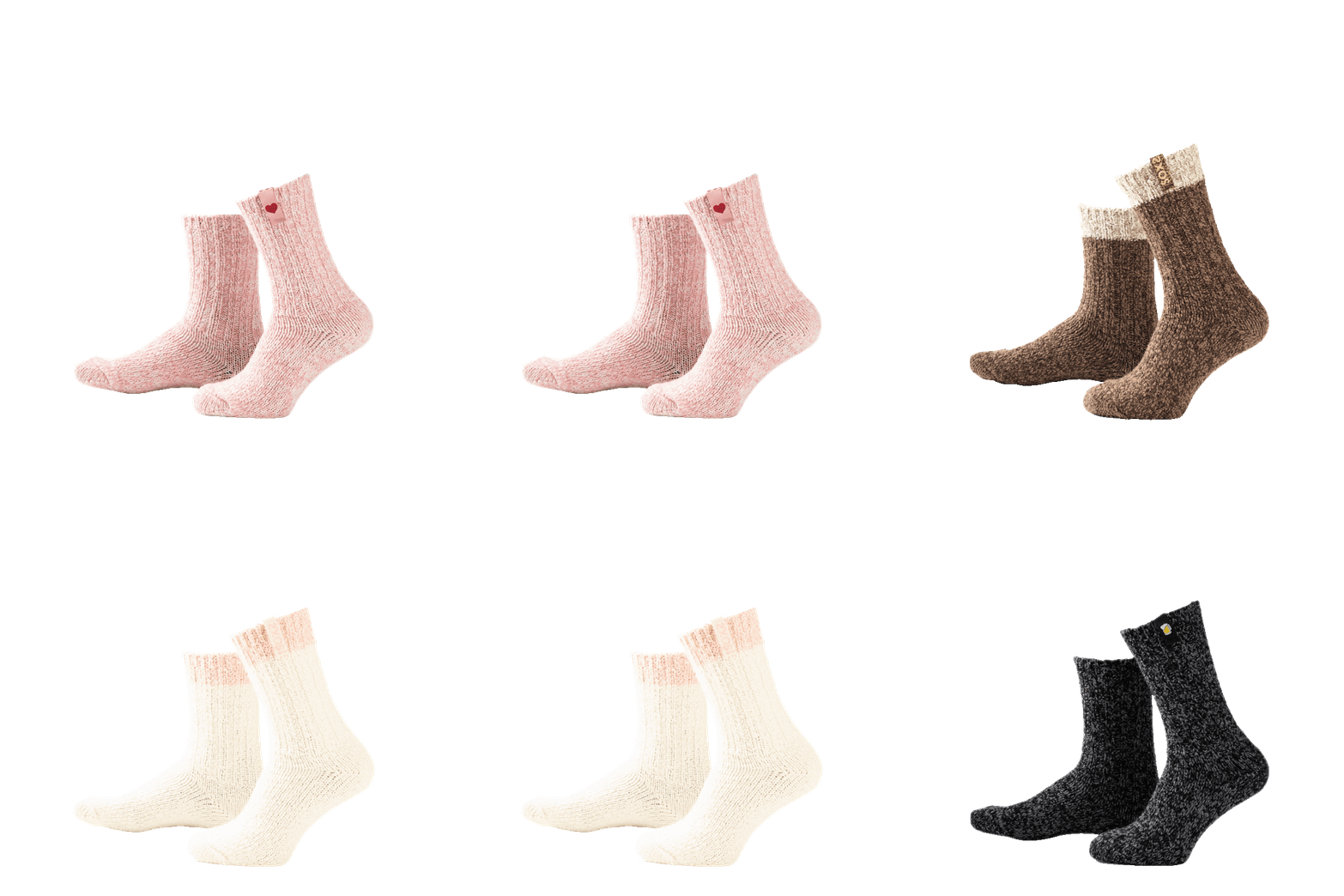
Soft warm premium wool socks
Gift ready, stylishly packaged
Orders placed before 1:00 PM will be shipped today (on weekdays) PLEASE NOTE: The delivery time of Pimp My Soxs is 5 working days!

Living with neuropathy presents unique challenges for foot care, particularly when it comes to preventing painful blisters. The reduced sensation that characterizes nerve damage can make it difficult to detect friction and pressure points before they develop into serious problems. Choosing the right socks is crucial for maintaining foot health and comfort.
Understanding how neuropathy affects your feet and selecting appropriate footwear can significantly reduce your risk of developing blisters. The key is finding socks that provide proper cushioning, moisture management, and seamless construction while accommodating the specific needs of sensitive feet.
Neuropathy is nerve damage that reduces sensation in the feet, making it difficult to feel friction, pressure, or temperature changes that normally signal potential injury. This decreased sensitivity means you may not notice when socks are bunching, shoes are rubbing, or moisture is building up until a blister has already formed.
The condition commonly affects people with diabetes but can also result from other medical conditions, medications, or injuries. When nerve signals are impaired, your body loses its natural warning system that typically alerts you to remove ill-fitting shoes or adjust socks before damage occurs. Additionally, neuropathy often comes with reduced blood circulation, which slows healing and increases the risk of complications from even minor injuries like blisters.
People with neuropathy may also experience changes in foot shape or gait that create new pressure points. Without proper sensation to guide adjustments in walking or shoe selection, these pressure areas can quickly develop into problematic blisters that go unnoticed until they become serious wounds.
Seamless construction is the most important feature for preventing blisters in neuropathy socks, as raised seams can create pressure points that lead to friction and skin breakdown. Look for socks with flat-seam toe closures or completely seamless designs that eliminate potential sources of irritation.
Extra cushioning in high-pressure areas provides essential protection for feet with reduced sensation. Strategic padding in the heel, forefoot, and toe areas helps distribute pressure more evenly and reduces the impact forces that can cause tissue damage. Moisture-wicking properties are equally crucial, as excess moisture softens the skin and makes it more susceptible to friction injuries.
Non-binding tops prevent circulation restriction while ensuring the sock stays in place without sliding or bunching. Antimicrobial treatments help prevent bacterial and fungal infections that can complicate blister healing. Some specialized diabetic socks also feature temperature-regulating materials to help maintain an optimal foot temperature and reduce swelling.
Merino wool stands out as an excellent material choice for neuropathy foot care due to its natural moisture-wicking properties, temperature regulation, and soft texture that reduces friction against sensitive skin. Unlike many synthetic materials, wool socks naturally manage moisture while maintaining their cushioning properties even when damp.
Bamboo fiber offers another natural option with excellent moisture management and antimicrobial properties. Synthetic blends containing CoolMax or similar moisture-wicking fibers can also work well, particularly when combined with cushioning materials such as acrylic or polyester padding.
Avoid cotton socks, as cotton retains moisture and loses its shape when wet, creating conditions that promote blister formation. Similarly, avoid rough or scratchy materials that could irritate sensitive skin. The ideal material should feel soft against the skin, maintain its shape throughout the day, and effectively move moisture away from the foot’s surface.
Proper fit for neuropathy socks means they should be snug but not tight, with no wrinkles, bunching, or excess material that could create friction points. The sock should conform to your foot shape without restricting circulation or creating pressure spots.
Pay special attention to the toe area, ensuring there is adequate room for toe movement without excess fabric that could bunch up. The heel should sit properly in the sock’s heel pocket, and the top band should stay in place without rolling down or cutting into the leg. A properly fitted sock will feel comfortable immediately and will not require constant adjustment throughout the day.
Consider having your feet measured regularly, as foot size and shape can change over time, especially with conditions like neuropathy. Purchase socks in the afternoon, when feet are naturally slightly swollen, to ensure a comfortable fit throughout the day. Replace socks when they begin to lose their shape or cushioning properties, as worn-out socks can create new pressure points.
Wash neuropathy socks in cool water with mild detergent to preserve their moisture-wicking and cushioning properties. Avoid fabric softeners and bleach, which can break down the fibers and reduce the sock’s protective qualities. Turn socks inside out before washing to protect the outer surface from abrasion.
Air-drying is preferable to machine-drying, as high heat can damage elastic fibers and reduce the sock’s ability to maintain a proper fit. If you must use a dryer, use the lowest heat setting possible. Store clean socks in a way that prevents stretching or deformation of the fabric.
Replace socks regularly, ideally every six months or when you notice signs of wear, such as thinning in high-pressure areas, loss of elasticity, or persistent odors that do not wash out. Keep multiple pairs in rotation to allow socks to fully dry between wears, which helps maintain their antimicrobial properties and extends their lifespan.
At SOXS, we understand the importance of gentle, protective foot care for sensitive feet. Our premium wool socks are crafted from ethically sourced New Zealand wool that naturally wicks moisture while providing the soft, cushioned comfort essential for neuropathy foot care.
Our socks feature:
Experience the comfort and protection your feet deserve. Browse our collection of premium wool socks designed with your comfort and foot health in mind.