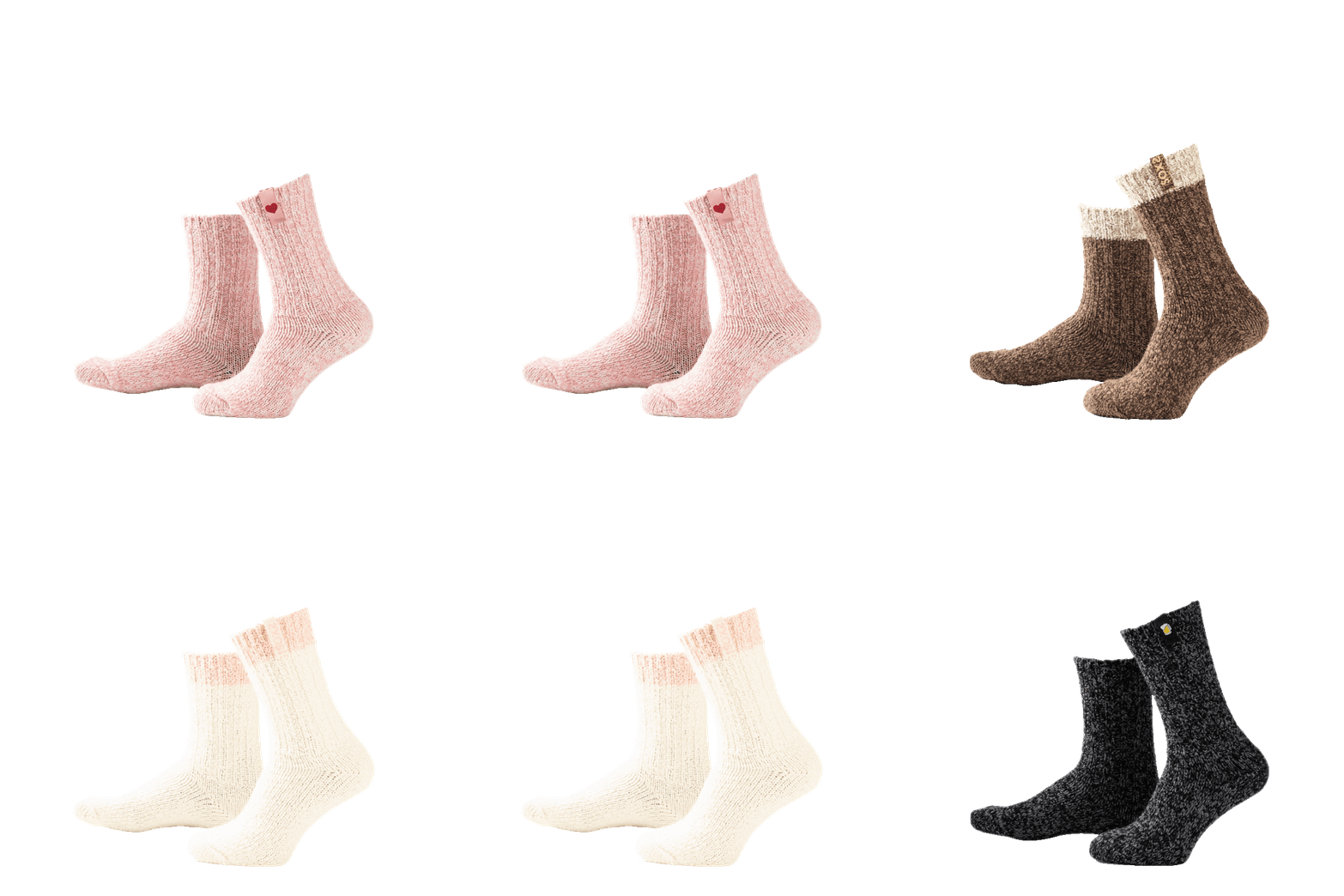
Soft warm premium wool socks
Gift ready, stylishly packaged
Orders placed before 1:00 PM will be shipped today (on weekdays) PLEASE NOTE: The delivery time of Pimp My Soxs is 5 working days!

Living with Raynaud’s syndrome means facing the daily challenge of keeping your feet warm and comfortable. This condition affects millions of people worldwide, causing painful cold sensations and circulation issues that can make even simple daily activities uncomfortable. Finding the right approach to keeping your feet warm isn’t just about comfort, it’s about maintaining quality of life and preventing complications.
The key to managing Raynaud’s syndrome lies in understanding how the condition affects your feet and choosing the right combination of materials, footwear, and daily care strategies. With the proper knowledge and tools, you can significantly improve foot warmth and overall comfort throughout the day.
Raynaud’s syndrome is a condition in which small blood vessels in your extremities, particularly your fingers and toes, overreact to cold temperatures or stress by constricting dramatically. This reduces blood flow, leading to color changes in your feet where they may turn white, then blue, and finally red as circulation returns.
The condition affects your feet by causing episodes of intense coldness, numbness, and sometimes pain. During an attack, your toes may feel completely numb or develop a tingling sensation. Reduced circulation can make your feet feel like blocks of ice, even in moderately cool environments that wouldn’t bother most people.
There are two main types of Raynaud’s syndrome. Primary Raynaud’s occurs on its own, without an underlying condition, while secondary Raynaud’s develops alongside autoimmune diseases such as lupus or scleroderma. Both types can significantly affect daily comfort and mobility, making proper foot care essential to maintaining an active lifestyle.
People with Raynaud’s syndrome struggle with cold feet because their blood vessels overreact to temperature changes, constricting far more than normal and reducing the flow of warm blood to the extremities. This exaggerated vascular response means that even mild temperature drops can trigger episodes of severe coldness.
The underlying mechanism involves your body’s natural response to preserving core temperature. When you feel cold, blood vessels in your hands and feet normally constrict slightly to redirect warm blood to vital organs. However, with Raynaud’s syndrome, this response becomes extreme and prolonged, essentially cutting off adequate circulation to your feet.
Environmental factors can trigger these episodes beyond cold weather alone. Air conditioning, cold floors, handling frozen foods, or even emotional stress can cause the blood vessels in your feet to constrict. This means that managing Raynaud’s requires constant awareness of your environment and proactive measures to maintain warmth throughout the day.
Merino wool stands out as a superior material for Raynaud’s syndrome because it provides excellent insulation while naturally regulating moisture and maintaining warmth even when damp. Unlike synthetic materials, merino wool creates tiny air pockets that trap body heat while allowing your feet to breathe.
The unique properties of merino wool make it particularly beneficial for circulation problems. The natural crimp in wool fibers creates insulating air spaces that retain warmth close to your skin. Additionally, merino wool has natural antimicrobial properties and can absorb up to 30% of its weight in moisture without feeling wet, preventing the clammy conditions that can worsen cold sensations.
While cotton might seem comfortable, it’s actually counterproductive for Raynaud’s syndrome. Cotton retains moisture and loses its insulating properties when wet, leaving your feet cold and damp. Synthetic blends can provide some warmth but often lack the temperature regulation properties that make wool socks so effective for people with circulation issues.
Choose thermal socks made from high quality merino wool, with cushioned soles and seamless toe construction, to minimize pressure points that could further restrict circulation. Look for socks with graduated compression that supports blood flow without being too tight around the ankle or calf.
Fit is crucial when selecting socks for Raynaud’s syndrome. Avoid socks that are too tight, as they can restrict the already limited blood flow to your feet. Instead, choose socks with a comfortable, non binding top that won’t leave marks on your legs. The toe area should have enough room to allow natural movement without bunching.
Consider sock height based on your daily activities. Crew or knee high socks provide more coverage and warmth for your lower legs, which can help maintain overall circulation. For active wear, look for socks with reinforced heels and toes that can withstand frequent use while maintaining their insulating properties through multiple washes.
Effective daily foot care for Raynaud’s syndrome involves keeping your feet warm and dry, doing gentle circulation exercises, and avoiding sudden temperature changes that can trigger episodes. Start each day by warming your feet gradually and maintaining a consistent temperature throughout the day.
Morning routines should include gentle foot massages to stimulate circulation before putting on your thermal socks. Throughout the day, do simple exercises such as toe wiggles, ankle circles, and calf raises to promote blood flow. Keep your feet elevated when possible, and avoid sitting in one position for extended periods.
Temperature management extends beyond wearing warm socks. Use heated insoles or foot warmers on particularly cold days, but avoid direct heat sources that could cause burns due to reduced sensation. Always transition gradually between different temperatures, and consider pre warming your shoes before putting them on during the winter months.
We understand the unique challenges of managing Raynaud’s syndrome, which is why SOXS creates premium merino wool socks designed for superior warmth and comfort. Our socks are crafted from ethically sourced New Zealand wool that provides exceptional insulation while allowing your feet to breathe naturally.
Here’s how SOXS supports your daily foot warmth needs:
Our family run company is committed to creating socks that provide not just warmth, but genuine comfort and peace of mind. Whether you’re working from home, enjoying outdoor activities, or simply going about your daily routine, SOXS thermal socks are designed to keep your feet consistently warm and comfortable. Experience the difference that quality merino wool can make in managing Raynaud’s syndrome symptoms.