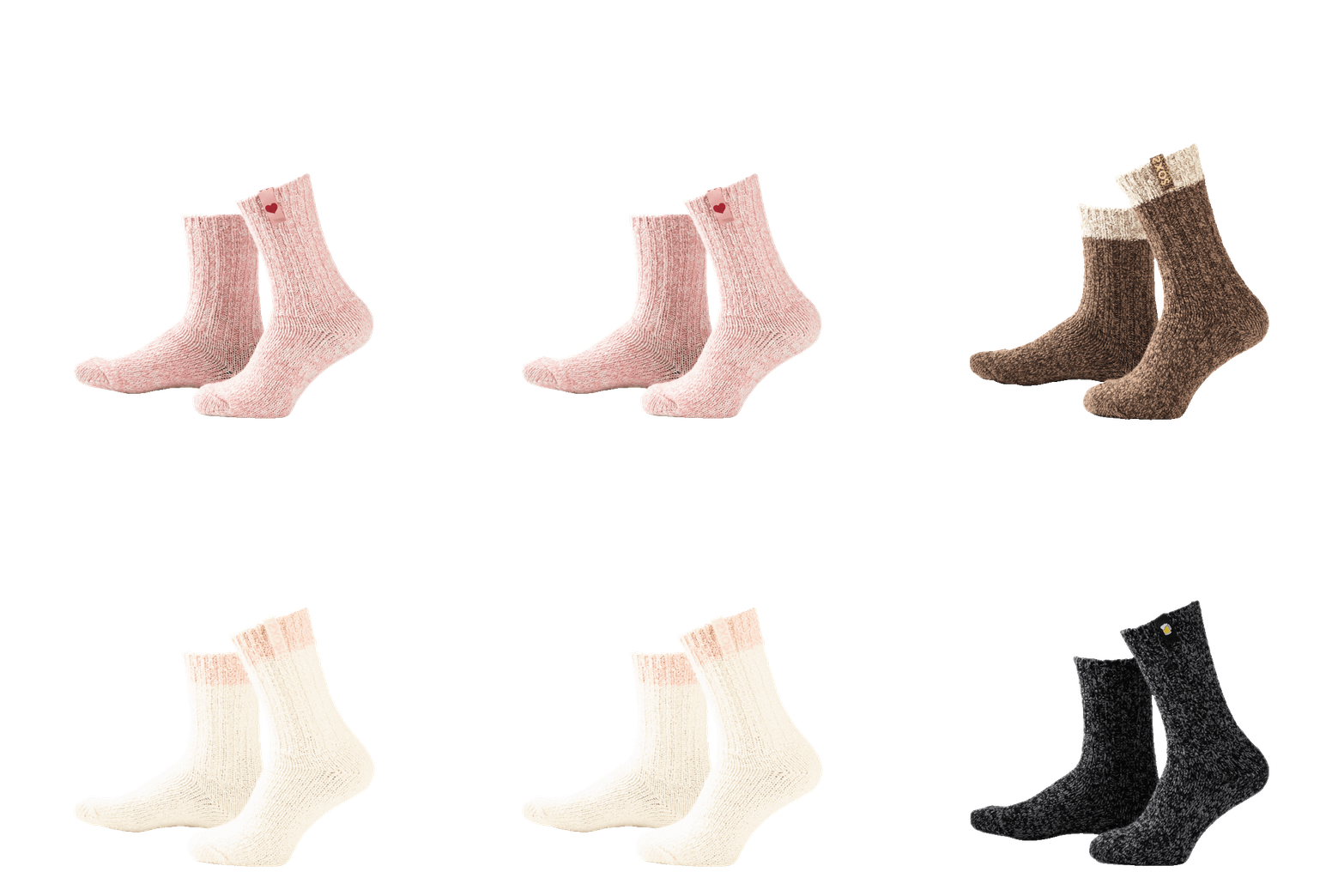

Soft warm premium wool socks
Gift ready, stylishly packaged
Orders placed before 1:00 PM will be shipped today (on weekdays) PLEASE NOTE: The delivery time of Pimp My Soxs is 5 working days!

Proper wool sock care extends their lifespan significantly by preserving the natural fibre structure and preventing damage from heat, friction, and harsh chemicals. Unlike synthetic materials, wool requires gentle handling, cool water washing, and air drying to maintain its insulating properties and shape. Following specific care routines protects your investment whilst keeping wool socks comfortable and functional for years.
Wool fibres contain natural oils called lanolin and have a unique scaled structure that requires gentler treatment than cotton or synthetic materials. The protein-based fibres are sensitive to heat and alkaline detergents, which can cause irreversible shrinkage and felting. Wool also has natural temperature-regulating properties that harsh washing can damage.
The fibre structure of wool is fundamentally different from plant-based materials like cotton. Each wool fibre has overlapping scales that can lock together when exposed to heat, agitation, and pH changes. This process, called felting, permanently alters the sock’s texture and size.
Modern wool sock blends often combine sheep’s wool with synthetic fibres like polyamide for added durability and stretch. These blends still require careful handling because the wool component determines the care requirements. The natural antibacterial properties of wool mean these socks need less frequent washing than synthetic alternatives.
Hand washing in cool water with wool-specific detergent provides the safest cleaning method for wool socks. Use water no warmer than 30°C and gently squeeze rather than wringing or scrubbing to avoid damaging the fibres. Machine washing is possible using a wool cycle with minimal agitation and low spin speeds.
For hand washing, fill a basin with cool water and add a small amount of wool detergent or soap flakes designed for natural fibres. Submerge the socks and gently squeeze the soapy water through them. Avoid rubbing or twisting, which can cause the fibres to felt together.
If using a washing machine, select the wool or delicate cycle and ensure the spin speed doesn’t exceed 600 revolutions per minute. Place socks in a mesh laundry bag for extra protection. Never use regular laundry detergent, as the alkaline ingredients can damage wool fibres and strip away natural oils.
Rinse thoroughly with cool water of the same temperature as the wash water. Temperature changes can shock the fibres and cause shrinkage. Remove excess water by gently pressing the socks between clean towels rather than wringing them out.
Air drying flat on a clean towel away from direct heat sources preserves wool sock shape and prevents shrinkage. Never use tumble dryers, radiators, or direct sunlight, as heat causes wool fibres to contract and become misshapen. Proper air circulation speeds drying whilst maintaining sock integrity.
Lay freshly washed socks flat on a dry towel, gently reshaping them to their original dimensions whilst damp. This prevents stretching and maintains the proper fit. Turn the socks occasionally to ensure even drying on both sides.
Choose a well-ventilated area away from heating vents, fireplaces, and sunny windows. Direct heat sources can cause uneven drying and permanent damage to the wool structure. A spare bedroom or covered outdoor area works well for air drying.
Drying time varies from 12 to 24 hours depending on humidity and air circulation. Thicker wool socks or those with higher wool content take longer to dry completely. Ensure socks are thoroughly dry before storing to prevent mould and mildew growth.
Wool socks require washing only after 3 to 5 wears under normal conditions due to wool’s natural antibacterial and odour-resistant properties. Overwashing reduces sock lifespan by breaking down fibres unnecessarily, whilst underwashing can lead to hygiene issues and permanent odours setting into the material.
The self-cleaning properties of wool come from its natural structure and lanolin content, which resist bacterial growth and odour development. This means wool socks stay fresh longer than synthetic alternatives, reducing the need for frequent washing.
Adjust washing frequency based on activity level and environmental conditions. Socks worn for intense physical activity or in hot, humid conditions may need washing after each use. For everyday wear in moderate conditions, allowing socks to air out between wears extends the time between washes.
Signs that indicate washing time include persistent odours, visible soiling, or loss of the sock’s natural bounce and texture. If socks feel stiff or uncomfortable, they likely need cleaning regardless of how many times you’ve worn them.
Store wool socks loosely folded or rolled in a dry, well-ventilated drawer with cedar blocks or lavender sachets to deter moths. Avoid tight compression or plastic bags, which can trap moisture and create conditions for mould growth. Proper storage maintains sock shape and protects against common wool pests.
Fold socks gently rather than stretching them over each other, which can cause permanent creases and weaken elastic fibres. Rolling creates less stress on the fabric whilst keeping pairs together. Avoid the common practice of turning one sock inside out to hold the pair, as this stretches the cuff unnecessarily.
Cedar products naturally repel moths and other insects that can damage wool fibres. Replace cedar blocks annually or sand them lightly to refresh their effectiveness. Lavender sachets provide a pleasant scent whilst offering similar protective benefits.
For seasonal storage, ensure socks are completely clean and dry before packing away. Use breathable cotton storage bags rather than plastic, which can trap humidity. Check stored socks periodically for signs of pest activity or moisture problems.
Remove pilling using a fabric shaver or fine-toothed comb, working gently to avoid damaging surrounding fibres. Small holes can be darned using matching wool yarn and a darning needle, creating a patch that blends with the original fabric. Prevention through proper care remains more effective than repairs.
Pilling occurs when short fibres work loose and tangle together on the sock surface. Use a battery-operated fabric shaver for efficient removal, or carefully pick off pills by hand. A pumice stone can also remove pills when used with light pressure in one direction.
For darning holes, stretch the damaged area over a darning egg or light bulb. Thread a darning needle with matching yarn and weave back and forth across the hole, creating a foundation. Then weave perpendicular threads through the foundation to create a patch.
Prevent common problems by trimming toenails regularly, ensuring proper shoe fit, and rotating between multiple pairs of socks. Rough skin on heels and toes can catch and damage wool fibres, so maintain good foot care. Quality wool socks with reinforced heel and toe areas resist wear better than cheaper alternatives.
Understanding proper wool sock maintenance helps you maximise your investment in quality footwear. The natural properties that make wool socks comfortable and functional require thoughtful care, but the effort pays off in extended sock life and continued performance. At SOXS, we combine traditional New Zealand sheep’s wool with modern polyamide technology to create socks that maintain their fit and comfort whilst being easier to care for than traditional all-wool options.