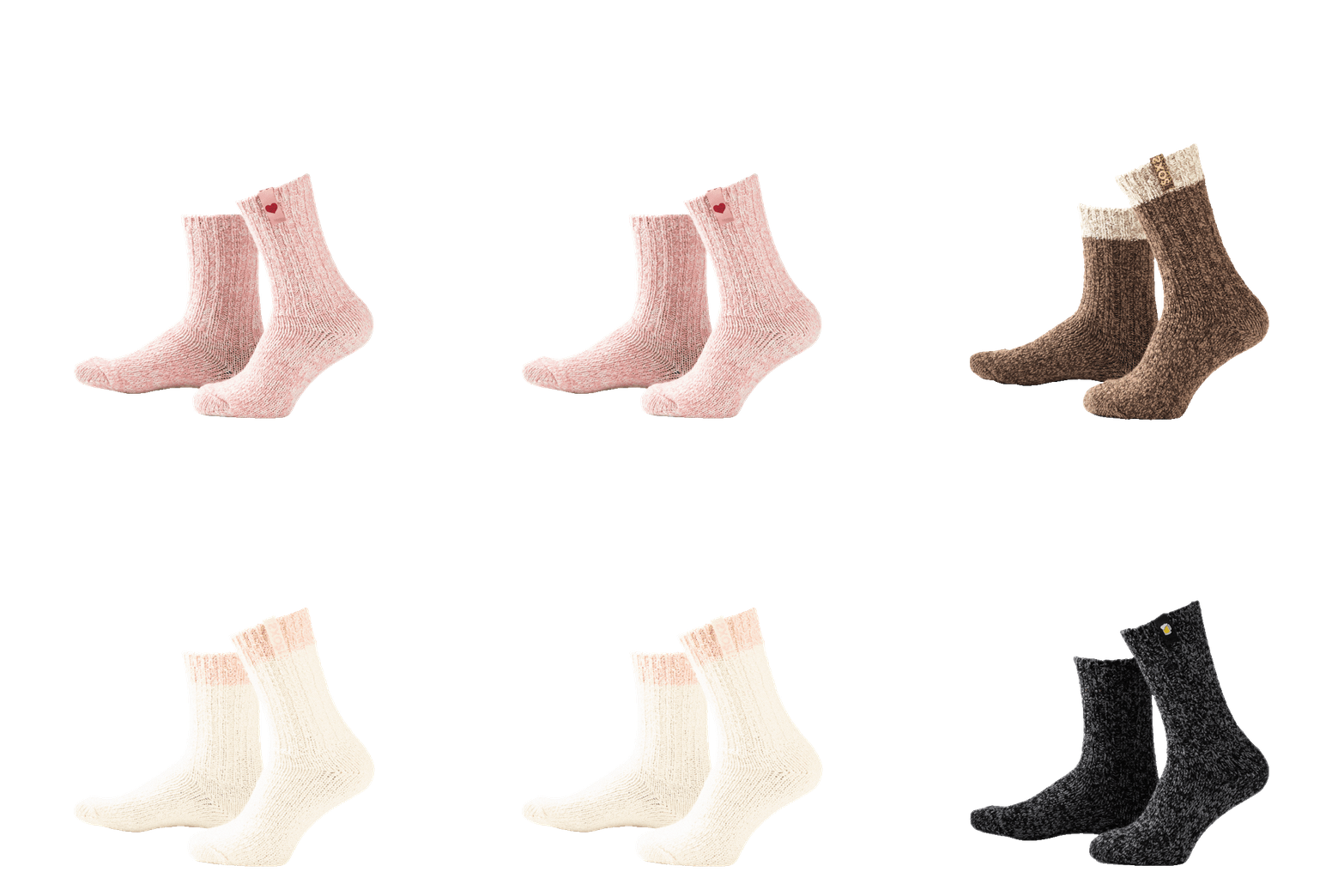
Soft warm premium wool socks
Gift ready, stylishly packaged
Orders placed before 1:00 PM will be shipped today (on weekdays) PLEASE NOTE: The delivery time of Pimp My Soxs is 5 working days!

Wool socks wound healing becomes particularly important when poor circulation slows your body’s natural recovery process. The combination of wool’s temperature regulation, moisture-wicking properties, and natural antimicrobial qualities creates an optimal environment for healing. Quality wool socks support circulation improvement whilst protecting sensitive skin during the recovery period.
Poor circulation stands as the primary culprit behind slow wound healing, particularly affecting your feet and lower extremities. When blood flow becomes restricted, your body struggles to deliver the oxygen and nutrients that healing tissues desperately need.
Diabetes creates additional complications by damaging blood vessels and reducing sensation in your feet. This means you might not notice small cuts or pressure sores until they become serious problems. High blood sugar levels also interfere with your immune system’s ability to fight off infections.
Moisture imbalances around wounds create perfect breeding grounds for harmful bacteria. Too much moisture softens skin and breaks down healthy tissue, whilst insufficient moisture prevents proper cell regeneration. Your feet are particularly vulnerable because they’re enclosed in shoes for most of the day.
Bacterial infections can turn minor wounds into major health concerns. When bacteria multiply in warm, moist environments, they produce toxins that damage surrounding tissue and trigger inflammation. This inflammatory response actually slows down the healing process rather than helping it.
Age, certain medications, and underlying health conditions like poor nutrition or autoimmune disorders also contribute to delayed healing. Your feet bear the brunt of these issues because they’re furthest from your heart and receive the least robust blood supply.
Wool’s natural temperature regulation properties help maintain optimal blood flow by keeping your feet warm without overheating. When your feet stay at the right temperature, blood vessels can dilate properly, allowing better circulation throughout your extremities.
The gentle compression that quality wool socks provide supports venous return, which is the process of blood flowing back to your heart. Unlike tight synthetic socks that can restrict circulation, wool’s natural elasticity creates just enough pressure to assist blood flow without cutting off circulation.
Wool fibres naturally expand and contract with temperature changes, creating a dynamic environment that responds to your body’s needs. This helps prevent the temperature fluctuations that can cause blood vessels to constrict and reduce healing blood flow.
The breathable structure of wool allows air circulation around your feet, preventing the overheating that can actually impair circulation. When your feet become too hot, blood vessels can become sluggish, reducing the efficient delivery of healing nutrients to wound sites.
Scientific research shows that maintaining proper foot temperature through wool socks can improve peripheral circulation by helping blood vessels maintain their optimal diameter for nutrient and oxygen delivery.
Excess moisture around wounds creates an ideal environment for bacterial growth, turning minor cuts into infected complications. When skin stays wet for extended periods, it becomes soft and vulnerable, breaking down more easily and healing much slower.
Wool’s exceptional moisture-wicking properties draw perspiration away from your skin and transport it to the sock’s outer layer where it can evaporate. This keeps the area around healing wounds at optimal moisture levels, ensuring they are not too dry and not too wet.
Bacterial infections thrive in warm, moist environments. When your feet stay damp inside synthetic socks, harmful bacteria multiply rapidly, producing toxins that damage healthy tissue and create inflammation. This inflammatory response actually slows wound healing rather than promoting it.
The natural structure of wool fibres can absorb up to 30% of their weight in moisture whilst still feeling dry to the touch. This remarkable property means your feet stay comfortable and dry even during extended wear, creating the stable environment that healing wounds need.
Proper moisture control also prevents the skin maceration that commonly occurs around wound edges. When skin becomes too soft from constant moisture exposure, wound edges can’t knit together properly, significantly extending healing times.
Wool contains natural antimicrobial compounds that actively resist bacterial growth, creating a cleaner environment around healing wounds. These properties work continuously, providing protection throughout the day without requiring chemical treatments or special care.
Lanolin, the natural oil found in sheep’s wool, possesses inherent antibacterial and antifungal properties. This waxy substance helps create a protective barrier that prevents harmful microorganisms from establishing colonies on your skin or around wound sites.
The protein structure of wool fibres naturally resists odour-causing bacteria. Unlike synthetic materials that can harbour bacterial growth, wool’s cellular structure makes it difficult for microorganisms to take hold and multiply.
Wool’s pH level naturally discourages bacterial growth. The slightly acidic environment created by wool fibres helps maintain your skin’s natural protective barrier, supporting your body’s own defence mechanisms against infection.
These antimicrobial properties remain active throughout the sock’s lifespan, providing consistent protection without diminishing over time. This means you get reliable bacterial resistance that doesn’t wash out or wear away with regular use.
Look for wool socks with minimal seaming, particularly around the toe area where pressure points can irritate healing wounds. Flat seam construction or seamless designs prevent the rubbing that can reopen wounds or create new pressure sores.
Choose socks with appropriate cushioning that provides protection without being too bulky. Medium cushioning offers good protection for sensitive areas whilst maintaining proper fit inside your regular footwear. Avoid overly thick socks that can make shoes too tight.
Consider the wool content carefully. Blends with synthetic fibres often provide better durability and fit retention. A mix of around 60% wool with elastic fibres like polyamide creates the ideal balance of natural benefits and practical performance.
Ensure proper fit without being too tight or too loose. Socks that are too tight can restrict circulation, whilst loose socks can bunch up and create friction points. The elastic should be snug but not constrictive around your ankle and calf.
Look for socks specifically designed for sensitive feet or medical applications. These often feature extra soft yarns, antimicrobial treatments, and construction techniques that minimise irritation whilst maximising therapeutic benefits.
Daily foot inspection becomes absolutely important when dealing with wound healing issues. Check your feet every day for new cuts, changes in existing wounds, unusual swelling, or signs of infection like increased redness or warmth.
Maintain proper foot hygiene by washing your feet daily with mild soap and lukewarm water. Dry thoroughly, especially between toes, and apply appropriate moisturiser to prevent skin cracking whilst avoiding the wound area itself.
Choose appropriate footwear that doesn’t create pressure points or restrict circulation. Shoes should have adequate room for your feet plus the extra bulk of therapeutic wool socks. Avoid tight fitting shoes that can impede healing blood flow.
Change your wool socks daily or whenever they become damp from perspiration. Even with wool’s antimicrobial properties, fresh socks provide the cleanest environment for healing wounds and prevent bacterial buildup.
Consult healthcare professionals regularly for wound assessment and care guidance. Whilst quality wool socks provide excellent support for healing, serious wounds require medical supervision to prevent complications and ensure proper recovery.
Consider your overall health factors like blood sugar control, nutrition, and medication management. These systemic factors significantly impact wound healing and work alongside proper foot care to promote recovery.
Managing wound healing challenges requires a comprehensive approach that addresses circulation, moisture control, and infection prevention. Quality wool socks provide natural support for all these factors whilst offering the comfort and durability you need during recovery. At SOXS, we understand how important proper foot care becomes when you’re dealing with healing concerns, which is why our ethically sourced wool socks combine traditional natural benefits with modern comfort technology.