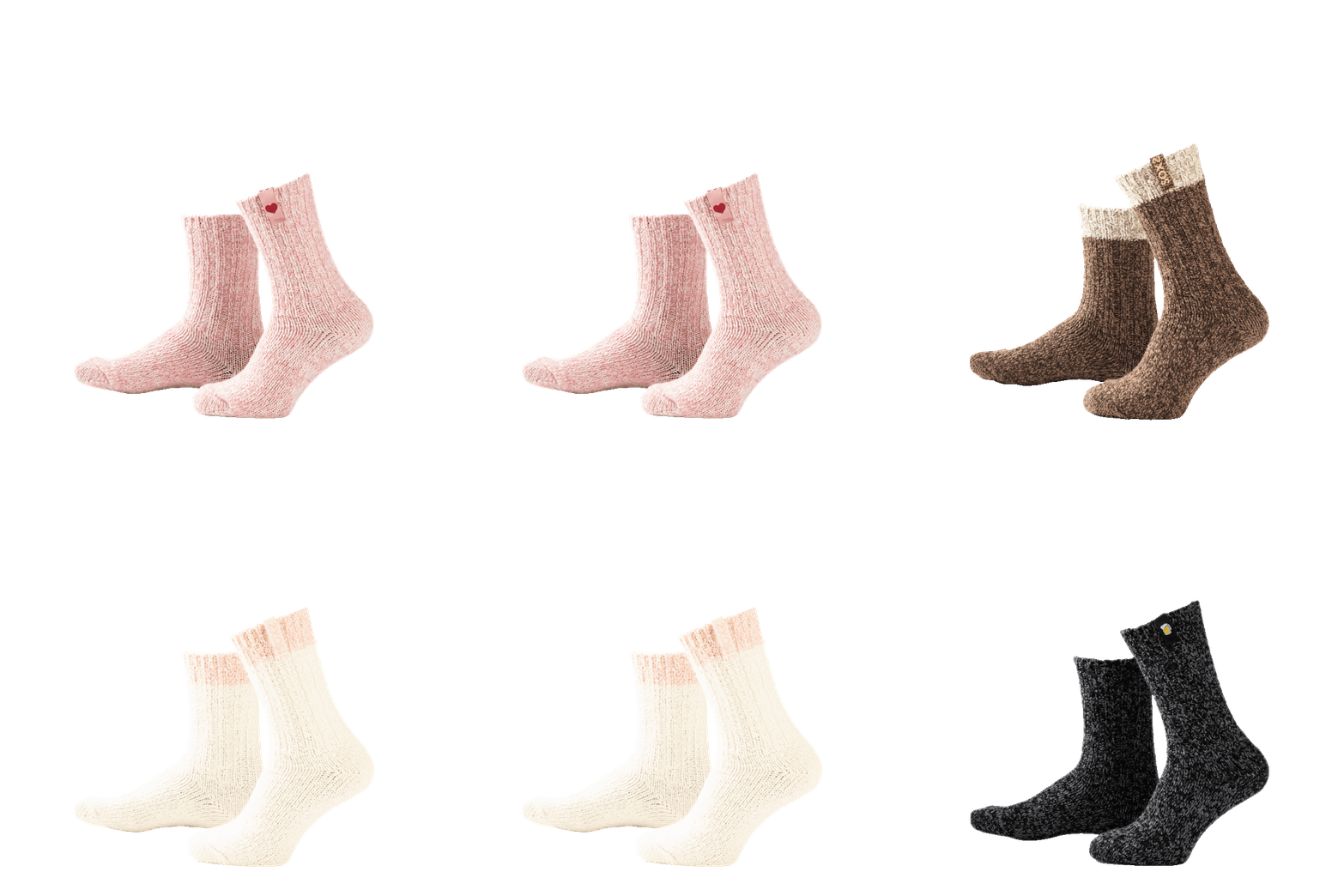
Soft warm premium wool socks
Gift ready, stylishly packaged
Orders placed before 1:00 PM will be shipped today (on weekdays) PLEASE NOTE: The delivery time of Pimp My Soxs is 5 working days!

Wool socks help with feeling cold by trapping warm air between their natural fibres and maintaining insulation even when damp. The unique structure of wool fibres creates tiny air pockets that act as thermal barriers, keeping your feet warm while wicking moisture away from your skin. This natural temperature regulation prevents the heat loss that makes feet feel cold, particularly in challenging conditions.
Wool fibres have a natural crimp structure that creates countless tiny air pockets, making them superior insulators compared to cotton or synthetic materials. These microscopic spaces trap warm air close to your skin, forming a thermal barrier that keeps cold out and warmth in.
The cellular structure of wool remains effective even when damp because the fibres themselves don’t collapse like cotton does. Each wool fibre consists of overlapping scales that maintain their shape and insulating properties regardless of moisture levels. This means your feet stay warm even if you’re dealing with wet conditions or perspiration.
Unlike synthetic materials that rely on manufacturing processes to create insulation, wool’s warmth comes from millions of years of natural evolution. Sheep developed this fibre structure to survive harsh weather conditions, and that same protection transfers directly to your feet when you wear wool socks.
Wool acts like a natural thermostat by responding to temperature changes around your feet. When it’s cold, the fibres trap more warm air to increase insulation. When temperatures rise or you become more active, wool allows excess heat to escape while maintaining comfortable warmth levels.
This temperature regulation happens because wool fibres can absorb and release moisture vapour without feeling wet. As your feet warm up and produce moisture, wool wicks this away from your skin and releases it into the air. This process actually generates a small amount of heat, helping maintain optimal foot temperature.
The natural elasticity of wool fibres also contributes to temperature control. They expand and contract with temperature changes, automatically adjusting the amount of insulating air trapped within the sock. This prevents overheating during activity while ensuring your feet don’t get cold when you’re less active.
Wool’s moisture-wicking properties keep feet dry by moving perspiration away from your skin and allowing it to evaporate. Unlike cotton, which absorbs moisture and stays wet against your skin, wool can absorb up to 30% of its weight in moisture while still feeling dry to the touch.
The breathable structure of wool allows air circulation around your feet, preventing the humid environment that leads to cold, clammy sensations. Each fibre has microscopic pores that allow moisture vapour to pass through while maintaining the insulating air pockets that keep you warm.
Dry feet are crucial for sustained warmth because moisture conducts heat away from your body much faster than air does. By keeping your feet dry, wool socks prevent this heat loss and maintain the comfortable temperature your feet need to stay warm throughout the day.
Wool maintains its insulating properties when wet, while cotton loses nearly all its warmth once it becomes damp with perspiration or external moisture. Cotton fibres collapse when wet, eliminating the air spaces needed for insulation and leaving your feet cold and uncomfortable.
The thermal performance difference becomes particularly noticeable in cold, damp conditions. Cotton socks will actually make your feet colder once they absorb moisture because wet cotton conducts heat away from your body. Wool continues providing warmth even in these challenging conditions.
Cotton also takes much longer to dry than wool, meaning your feet stay in a cold, wet environment for extended periods. Wool’s quick-drying properties ensure that any moisture is rapidly moved away from your skin and released into the air, maintaining comfort throughout the day.
Merino wool offers the finest fibres and softest feel, making it ideal for people with sensitive skin who still want maximum warmth. The finer fibres create more air pockets per square inch, providing excellent insulation while feeling luxurious against your skin.
Regular wool provides robust warmth and durability at a more accessible price point. While it may feel slightly coarser than merino, it still offers excellent thermal properties and moisture management for everyday cold weather wear.
Wool blends combine natural wool with synthetic fibres like polyamide to create socks that maintain wool’s thermal benefits while adding durability and shape retention. These blends often provide the perfect balance of warmth, comfort, and longevity for regular use.
Choose wool socks whenever you’ll be in cold conditions for extended periods, especially if there’s a chance of moisture exposure. This includes outdoor activities like hiking, skiing, or working outside, where maintaining warm, dry feet is important for both comfort and safety.
Wool socks are particularly beneficial for people who experience chronically cold feet due to circulation issues. The natural insulation and temperature regulation help maintain comfortable foot temperature even when your body’s natural warming mechanisms aren’t working optimally.
For everyday wear during cold months, wool socks provide consistent comfort whether you’re sitting at a desk, walking around town, or relaxing at home. They’re especially valuable if you spend long periods in unheated spaces or frequently transition between indoor and outdoor environments.
If you suffer from cold feet and want a natural solution that works in various conditions, wool socks offer the reliable warmth and comfort your feet need. At SOXS, we’ve combined traditional wool benefits with modern technology to create socks that provide all the warmth without the common drawbacks like itching or poor fit retention.