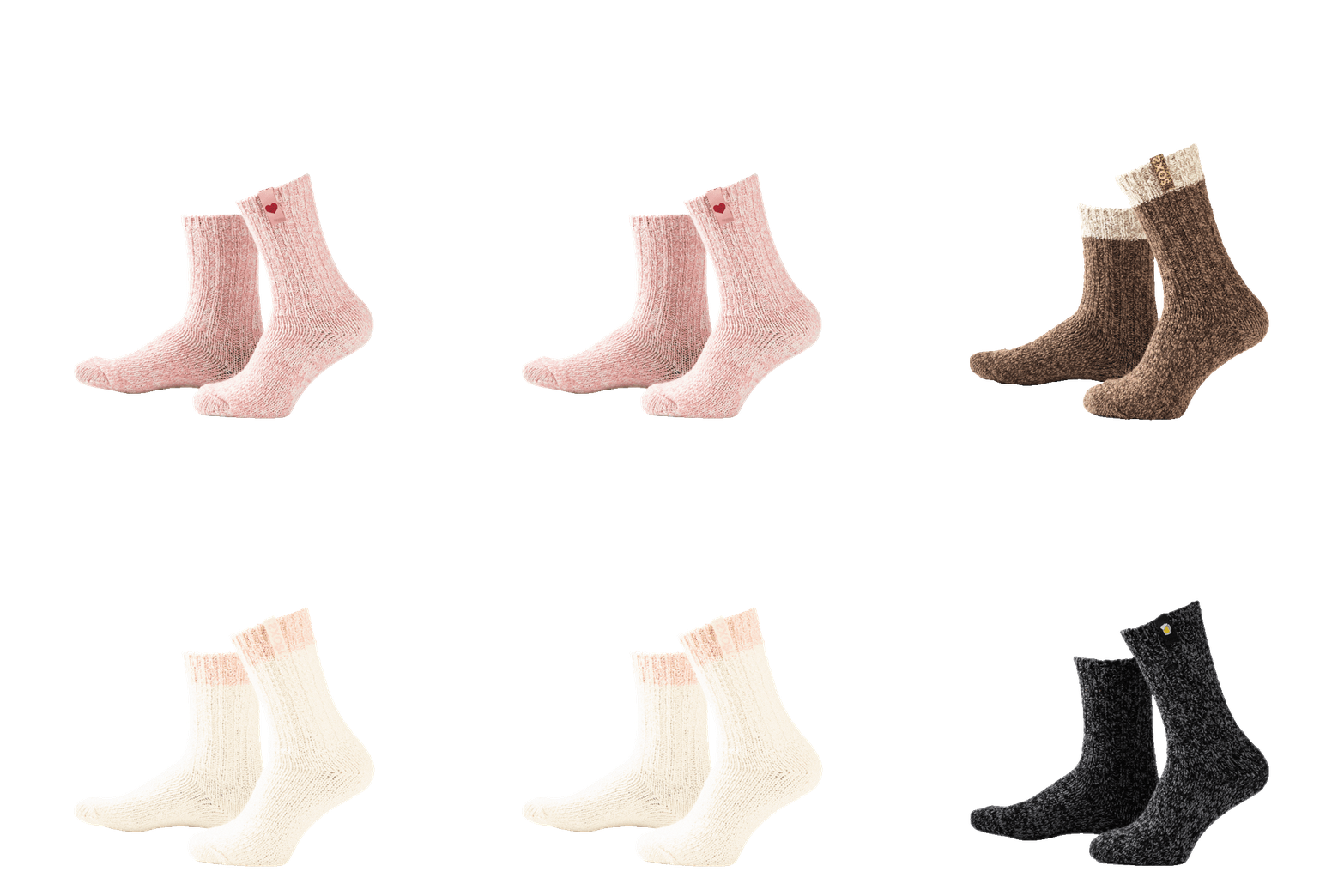
Soft warm premium wool socks
Gift ready, stylishly packaged
Orders placed before 1:00 PM will be shipped today (on weekdays) PLEASE NOTE: The delivery time of Pimp My Soxs is 5 working days!

When choosing socks, breathability often gets overlooked, yet it’s one of the most important factors for foot comfort and health. While many people focus on warmth or style, the ability of your socks to manage moisture and regulate temperature can make the difference between comfortable feet and sweaty, uncomfortable feet throughout the day.
Wool socks, particularly those made from merino wool, offer superior breathability compared to most other sock materials. This natural advantage comes from wool’s unique fiber structure and moisture-wicking properties, making wool an excellent choice for anyone seeking comfortable, breathable footwear.
Wool socks achieve superior breathability through their natural fiber structure, which allows air to circulate while actively wicking moisture away from your feet. The crimped structure of wool fibers creates tiny air pockets that facilitate airflow and temperature regulation, while the fiber’s natural ability to absorb up to 30% of its weight in moisture without feeling wet helps keep feet dry and comfortable.
Wool’s breathability comes from several key properties. First, wool fibers have a natural crimp that creates space between individual strands, allowing air to move freely through the fabric. This air circulation helps regulate foot temperature and prevents the buildup of heat and moisture that can lead to discomfort.
Additionally, wool’s hygroscopic nature means it can absorb moisture vapor from your skin and release it into the air, creating a natural moisture-management system. This process happens continuously, keeping your feet dry even during extended wear. The protein structure of wool also naturally resists odor-causing bacteria, maintaining freshness longer than synthetic alternatives.
Wool’s temperature-regulating properties work in both directions. In winter, wool provides insulation while still allowing excess heat and moisture to escape. In summer or indoor environments, wool helps keep feet cool and prevents the clammy feeling often associated with less breathable materials.
Wool significantly outperforms cotton in breathability due to its superior moisture-wicking capabilities and temperature regulation. While cotton absorbs moisture and holds it against your skin, wool actively moves moisture away from your feet and releases it into the air, keeping feet drier and more comfortable throughout the day.
Cotton’s main limitation lies in its moisture-retention properties. When cotton fibers absorb sweat, they become saturated and lose their insulating properties, creating a damp environment against your skin. This moisture retention can lead to blisters, hot spots, and an overall uncomfortable wearing experience, especially during physical activity or extended wear.
Wool’s fiber structure allows it to maintain its insulating and breathable properties even when wet. The natural lanolin in wool fibers helps repel moisture while still allowing the material to breathe. This means your feet stay comfortable in varying conditions, from air-conditioned offices to outdoor activities.
Drying time also differs significantly between these materials. Cotton socks can take hours to dry completely, while wool socks dry much faster due to their moisture-wicking properties. This quick-drying characteristic makes wool socks more practical for travel, multi-day wear, or situations where you need reliable foot comfort.
Synthetic socks feel less breathable than wool because most synthetic fibers are hydrophobic, meaning they repel moisture rather than managing it effectively. While some advanced synthetic materials attempt to mimic wool’s properties, they typically lack the natural temperature regulation and moisture-absorption capabilities that make wool inherently breathable.
Most synthetic materials, such as polyester or nylon, create a barrier effect against your skin. Instead of absorbing and wicking moisture like wool, these materials often trap heat and humidity, creating an uncomfortable microclimate inside your shoes. This can result in sweaty, clammy feet and increased odor development.
The manufacturing process of synthetic fibers also affects breathability. Many synthetic socks are knitted more densely than wool socks to provide durability, which can reduce air circulation. The smooth surface of synthetic fibers doesn’t create the same air-trapping structure as wool’s natural crimp, limiting the material’s ability to regulate temperature effectively.
However, it’s worth noting that some high-performance synthetic blends have been developed specifically to address these issues. These materials often incorporate moisture-wicking treatments or specialized fiber structures, though they typically still fall short of wool’s natural breathability and comfort properties.
Activities that involve extended wear, temperature changes, or physical exertion benefit most from wool sock breathability. Hiking, travel, office work, and home activities all see significant comfort improvements with breathable wool socks, as they help maintain optimal foot temperature and moisture levels regardless of activity intensity or duration.
Outdoor activities like hiking and walking particularly benefit from wool’s breathability. During these activities, your feet experience varying temperatures, elevation changes, and different levels of exertion. Wool socks adapt to these changing conditions, keeping feet comfortable whether you’re climbing uphill in the sun or walking through cool, shaded areas.
Travel situations also showcase wool’s breathability advantages. Long flights, train rides, or car journeys often involve sitting for extended periods in climate-controlled environments. Wool socks help prevent the swollen, uncomfortable feeling that can develop during travel by maintaining proper moisture balance and temperature regulation.
Even everyday activities like working from home or in an office benefit from wool sock breathability. Spending long hours in shoes or moving between air-conditioned and heated spaces requires socks that can adapt to temperature changes while maintaining comfort. The natural breathability of wool makes it ideal for these varied indoor conditions.
For yoga, Pilates, or other indoor exercises, wool socks with anti-slip features provide both breathability and stability. The moisture-wicking properties help maintain grip and comfort during stretching and movement, while temperature regulation helps prevent overheating during more intensive sessions.
At SOXS, we understand the importance of breathability in sock design, which is why our merino wool socks are crafted to provide optimal air circulation and moisture management. Whether you’re seeking comfort for daily wear, outdoor adventures, or special activities, choosing breathable wool socks helps ensure your feet stay comfortable and healthy throughout the day.