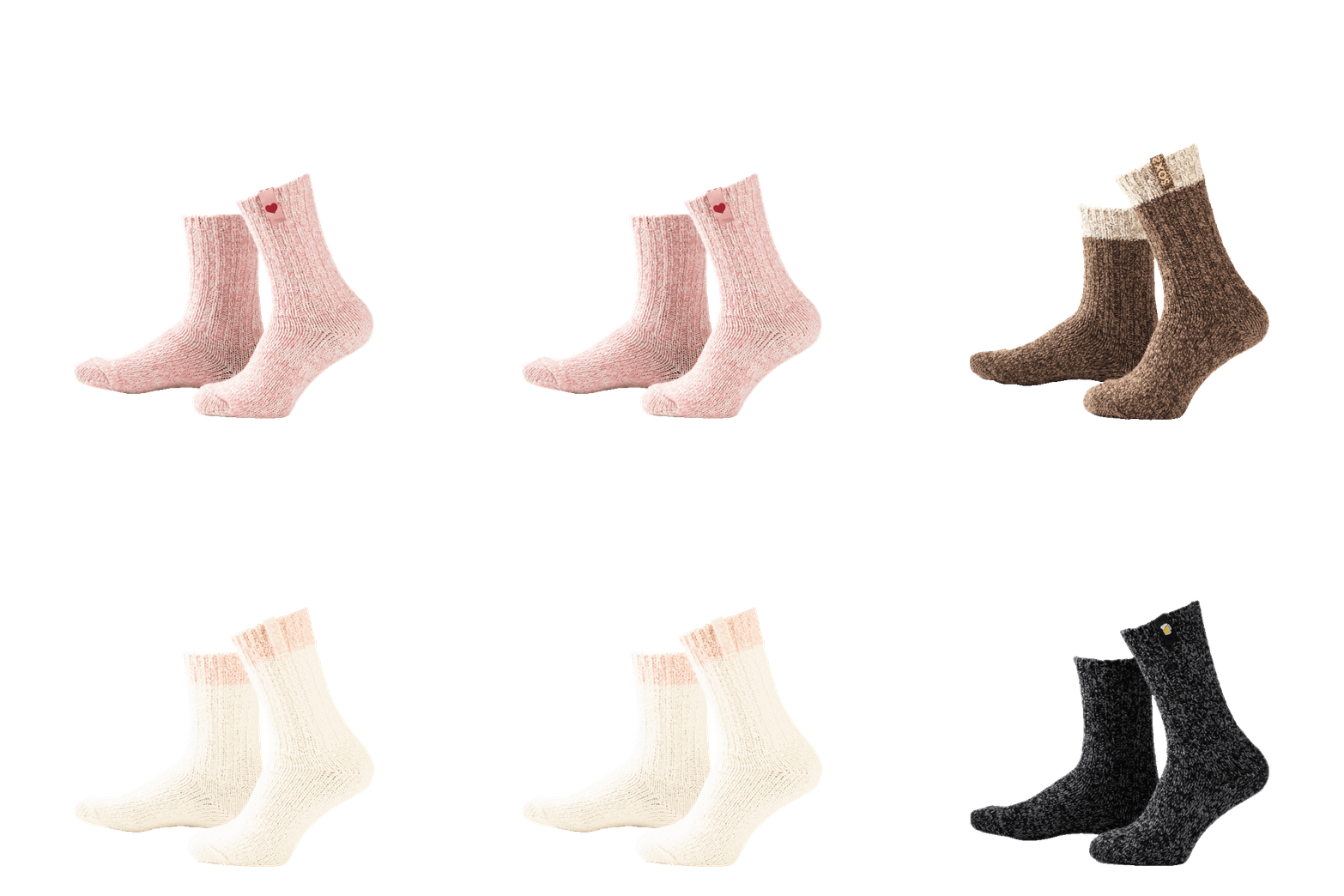
Soft warm premium wool socks
Gift ready, stylishly packaged
Orders placed before 1:00 PM will be shipped today (on weekdays) PLEASE NOTE: The delivery time of Pimp My Soxs is 5 working days!

When you live with neuropathy, every aspect of foot care becomes crucial to maintaining comfort and mobility. The relationship between socks and blood circulation is particularly important for those managing this condition, as proper circulation supports nerve health and overall foot wellness. Understanding how different sock materials, designs, and features affect blood flow can help you make informed choices that support your daily comfort and long-term foot health.
The right socks can provide gentle support and warmth without restricting circulation, while the wrong choices might inadvertently create pressure points or reduce blood flow. Let’s explore how socks affect circulation in neuropathy and which features matter most for optimal foot care.
Neuropathy is nerve damage that commonly affects the feet and hands, often causing numbness, tingling, and reduced sensation. This condition can also affect blood circulation by damaging the nerves that control blood vessel function, leading to decreased blood flow to the extremities and a reduced ability to regulate temperature.
The circulatory effects of neuropathy create a cascade of challenges for foot health. When the nerves that control blood vessel dilation and constriction become damaged, your feet may struggle to maintain proper blood flow. This reduced circulation can slow healing, increase the risk of infection, and make temperature regulation difficult.
People with diabetic neuropathy face additional circulation challenges, as high blood sugar levels can damage both nerves and blood vessels simultaneously. This combination creates a particularly vulnerable environment in which even minor foot injuries heal slowly and complications can develop quickly.
Natural wool socks can promote healthy circulation by providing breathability and moisture management without creating tight pressure points around the foot and ankle. Wool’s natural elasticity allows for gentle compression that supports blood flow rather than restricting it, while some synthetic materials may trap moisture and create uncomfortable pressure zones.
Wool socks excel at temperature regulation, which is crucial for people with neuropathy who often struggle with poor circulation and temperature sensitivity. The natural crimp in wool fibers creates tiny air pockets that insulate while allowing air to circulate, helping maintain an optimal foot temperature without overheating.
Cotton socks, while breathable, tend to retain moisture and lose their shape quickly, potentially causing bunching or tight spots that restrict circulation. Synthetic blends may offer durability but often lack the natural breathability and moisture-wicking properties that support healthy blood flow in sensitive feet.
Mild compression socks can improve circulation in people with neuropathy by providing gentle, graduated pressure that encourages blood flow back toward the heart. However, the compression level must be chosen carefully, as too much pressure can worsen circulation problems and increase discomfort in already sensitive feet.
The key is finding the right balance of support without restriction. Light compression (8–15 mmHg) often works best for people with neuropathy, providing circulation benefits without creating pressure that could damage sensitive skin or further reduce sensation.
It’s essential to consult a healthcare provider before using compression socks if you have neuropathy, as individual circulation patterns and severity levels vary significantly. What helps one person may create problems for another, making professional guidance crucial for safe and effective use.
Seamless construction and cushioned soles are among the most important features for people with neuropathy, as they help eliminate pressure points and provide protective padding for sensitive feet. Look for socks with moisture-wicking properties, breathable materials, and non-binding tops that won’t restrict circulation around the ankle.
Key features that support circulation and comfort include:
Fit is just as important as features. Socks should feel snug but never tight, with no bunching or sliding that could create friction points. Proper sizing ensures the sock works as designed without restricting circulation.
Yes, inappropriate socks can significantly worsen circulation problems in people with neuropathy by creating pressure points, restricting blood flow, or trapping moisture that leads to skin breakdown. Tight elastic bands, thick seams, and non-breathable materials are particularly problematic for those with compromised circulation.
Socks that are too tight around the ankle or calf can act like a tourniquet, reducing blood flow to the feet when circulation is already compromised. Similarly, socks with prominent seams can create pressure points that reduce local blood flow and may cause skin damage that heals poorly.
Poor moisture management from inappropriate sock materials can also affect circulation indirectly. When feet stay damp, skin becomes more vulnerable to breakdown, and the risk of infection increases significantly in people with neuropathy who may not feel early warning signs.
We understand that managing neuropathy requires thoughtful attention to every detail of foot care, which is why SOXS wool socks are crafted with features that support healthy circulation and comfort. Our seamless construction helps eliminate pressure points, while the natural breathability of ethically sourced New Zealand wool helps maintain an optimal foot temperature and moisture balance.
SOXS socks offer specific benefits for sensitive feet:
Experience the difference thoughtfully designed wool socks can make in your daily comfort. Browse our collection of premium wool socks designed to provide the gentle support and breathable comfort your feet deserve.