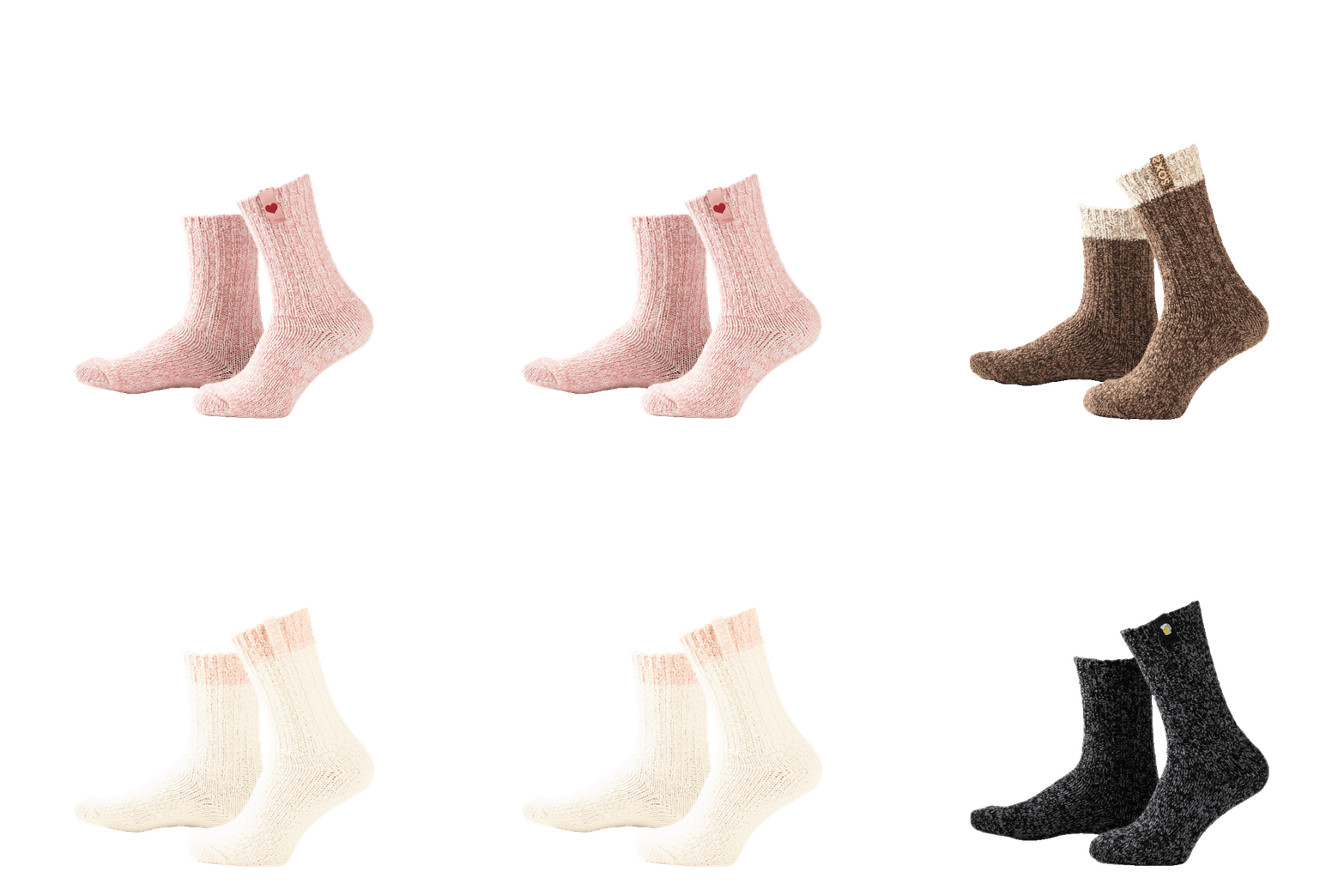
Soft warm premium wool socks
Gift ready, stylishly packaged
Orders placed before 1:00 PM will be shipped today (on weekdays) PLEASE NOTE: The delivery time of Pimp My Soxs is 5 working days!

Wool socks can significantly help with skin irritation by providing natural moisture-wicking, temperature regulation, and antimicrobial properties that reduce common irritation triggers. Unlike synthetic materials that trap moisture and create friction, wool’s breathable structure allows skin to stay dry and comfortable while reducing bacterial growth that often leads to irritation and inflammation.
Skin irritation from regular socks typically stems from synthetic materials, trapped moisture, excessive friction, and chemical treatments used in manufacturing. These factors create an environment where bacteria thrive, leading to inflammation, rashes, and uncomfortable skin reactions.
Synthetic fibres like polyester and nylon don’t breathe well, causing your feet to sweat more and creating a damp environment against your skin. This moisture becomes trapped, softening the skin and making it more vulnerable to friction damage. When combined with the constant rubbing motion of walking, this creates the perfect conditions for irritation.
Chemical treatments used to make socks stain-resistant, antimicrobial, or wrinkle-free can also trigger reactions in people with sensitive skin. These treatments often contain formaldehyde, chlorine bleach, or other harsh substances that remain in the fabric even after washing.
The construction of regular socks also plays a role. Thick seams, rough textures, or poor fit can create pressure points and friction spots that lead to blisters, hot spots, and general discomfort throughout the day.
Wool prevents skin irritation through its unique natural properties that actively manage moisture, regulate temperature, and resist bacterial growth. The fibre structure creates tiny air pockets that allow your skin to breathe while wicking moisture away from the surface.
The moisture-wicking ability of wool is particularly important for preventing irritation. Wool can absorb up to 30% of its weight in moisture without feeling wet, then releases this moisture into the air through evaporation. This keeps your skin dry and reduces the softening effect that leads to friction damage.
Wool’s natural antimicrobial properties come from lanolin and the fibre’s structure, which naturally resists bacterial growth. This reduces odour and the inflammatory reactions that bacteria can cause on sensitive skin. The smooth, scales structure of quality wool also creates less friction against your skin compared to rougher synthetic fibres.
Temperature regulation is another key benefit. Wool naturally adjusts to your body temperature, keeping feet warm when it’s cold and allowing heat to escape when it’s warm. This prevents the excessive sweating that often triggers skin reactions.
Merino wool has much finer fibres than regular wool, making it significantly softer and less likely to cause irritation on sensitive skin. The fibre diameter of merino wool is typically 18-24 microns, compared to regular wool which can be 25-40 microns or more.
This finer fibre structure means merino wool feels smoother against your skin and creates less friction during movement. The smaller fibres also bend more easily, reducing the scratchy feeling that some people associate with traditional wool products.
Processing methods also differ between regular wool and merino wool products. High-quality merino wool undergoes additional treatments to remove coarse fibres and create an even softer texture. However, some people find that blended wool socks combining wool with small amounts of synthetic fibres like polyamide can provide the benefits of wool while adding durability and maintaining shape.
The natural crimp in merino wool fibres creates better insulation and moisture management than regular wool, making it particularly suitable for people who experience skin reactions from temperature fluctuations or excessive moisture.
Many people who think they have wool allergies actually have wool sensitivity, which means they may be able to wear certain types of processed wool socks without problems. True wool allergies are relatively rare and involve immune system reactions to wool proteins.
Wool sensitivity is often a reaction to the coarse texture of lower-quality wool rather than an actual allergy. People with sensitivity may find they can comfortably wear softer, finer wool varieties or wool blends that have been specially processed to remove irritating fibres.
Some individuals react to the lanolin naturally present in wool, but many modern wool processing methods remove most lanolin content. Others may be sensitive to chemicals used in wool processing rather than the wool itself, making ethically sourced wool a better option.
If you suspect you have wool sensitivity rather than a true allergy, you might try starting with wool blends that combine natural wool with small amounts of other fibres. These often provide wool’s benefits while reducing potential irritation triggers.
Choose wool socks with fine fibre content, minimal seams, and proper fit to minimise irritation risk. Look for socks made from merino wool or wool blends specifically designed for sensitive skin, and avoid products with harsh chemical treatments.
Check the fibre composition carefully. High-quality wool socks often contain 60-70% wool blended with materials like polyamide for durability and fit retention. This combination can provide wool’s benefits while reducing potential irritation from 100% wool products.
Pay attention to construction details. Look for flat seam construction or seamless toe areas that won’t create pressure points. The sock should fit properly without being too tight or too loose, as both can increase friction and irritation.
Consider the sock’s intended use. Thinner wool socks work well for everyday wear and reduce bulk that might cause friction, while thicker options are better for specific activities like hiking where cushioning is more important than minimal thickness.
Proper care maintains the skin-friendly properties of wool socks. Wash them in cool water with wool-specific detergent, and avoid fabric softeners which can coat the fibres and reduce their natural moisture-wicking abilities.
Wool socks offer natural odour resistance, superior durability, excellent temperature regulation, and overall foot health benefits that make them valuable beyond just preventing skin irritation. These additional advantages make wool socks a practical choice for daily comfort and foot wellness.
The natural odour resistance of wool means you can wear wool socks for longer periods without developing unpleasant smells. This is particularly useful for people who are on their feet all day or participate in physical activities where foot odour might become problematic.
Durability is another significant advantage. Quality wool socks maintain their shape and cushioning properties much longer than synthetic alternatives. The natural elasticity of wool fibres helps socks return to their original shape after stretching, preventing the sagging and bunching that can create new irritation points.
Temperature regulation works in both directions – wool keeps feet warm in cold conditions and helps them stay cool when it’s warm. This adaptability reduces the temperature-related sweating and discomfort that can exacerbate skin sensitivity issues.
From a foot health perspective, wool socks support better circulation by providing cushioning without excessive compression. They also help maintain proper moisture balance, which is important for preventing fungal infections and maintaining healthy skin on your feet.
Wool socks naturally regulate humidity around your feet, creating an environment that’s less hospitable to the bacteria and fungi that can cause infections or worsen existing skin conditions. This makes them particularly beneficial for people who struggle with recurring foot health issues.
If you’re dealing with skin irritation from regular socks, switching to quality wool socks can provide immediate relief while offering long-term benefits for your foot health and comfort. At SOXS, we’ve developed wool sock blends that combine traditional New Zealand sheep’s wool with modern technology to create products that provide all of wool’s benefits without the common drawbacks like itching or poor fit retention.